Tracing, Seizing and Recovering Trafficking in Persons Proceeds in the Era of Digital Finance and Crypto-Assets in South Eastern Europe
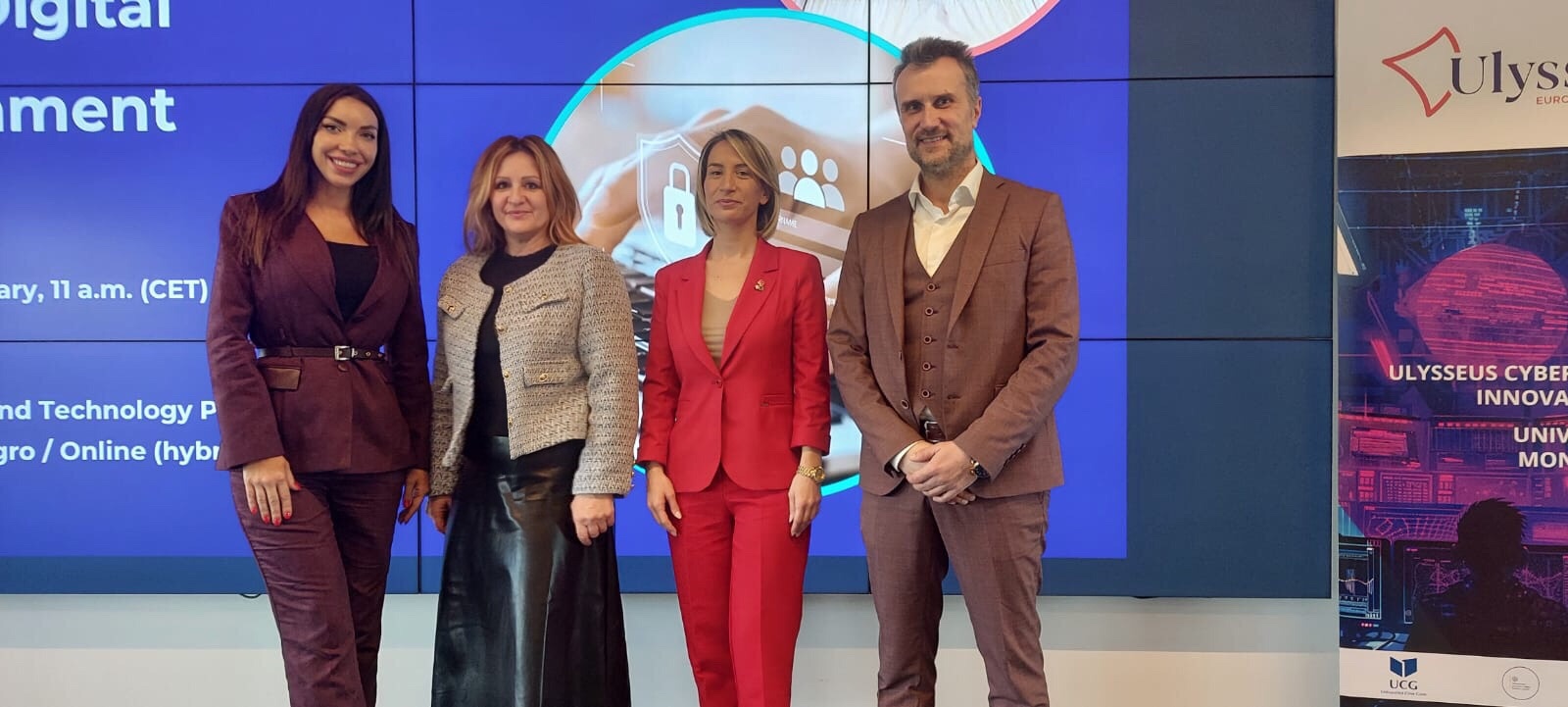
This week's meeting brought together prosecutors, judges, law enforcement investigators, financial intelligence specialists and policy experts from across South-Eastern Europe and the EU, alongside representatives of international organizations, civil society and the private sector. Participants included experts from institutions such as EUROPOL, INTERPOL, UNODC, national ministries of interior and justice, specialized prosecution offices, financial investigation units, cryptocurrency analytics companies and anti-trafficking organizations.
The event was implemented by UNODC, in collaboration with the Ministry of Interior of Montenegro and the Ministry for Europe and Foreign Affairs of France.
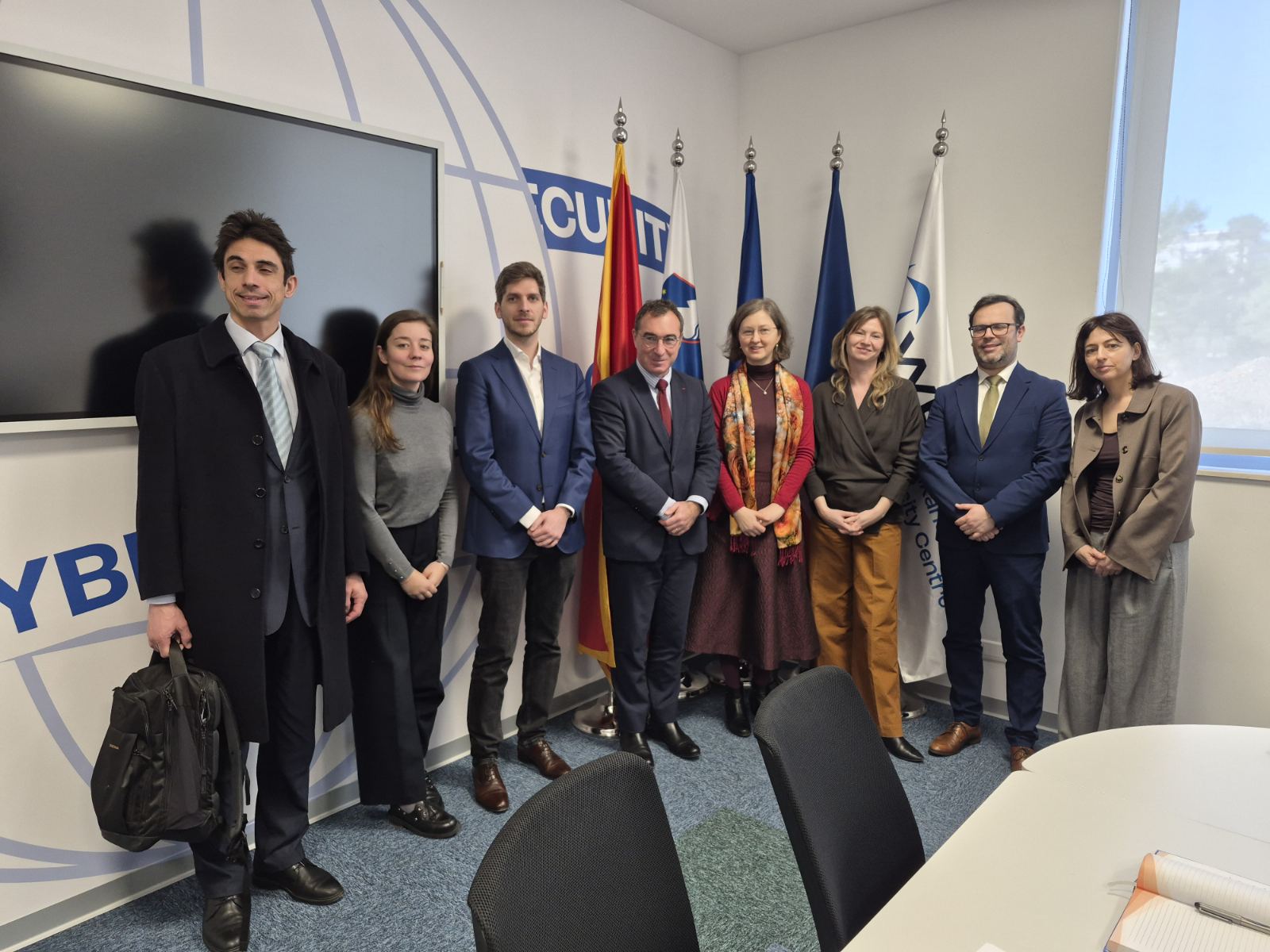
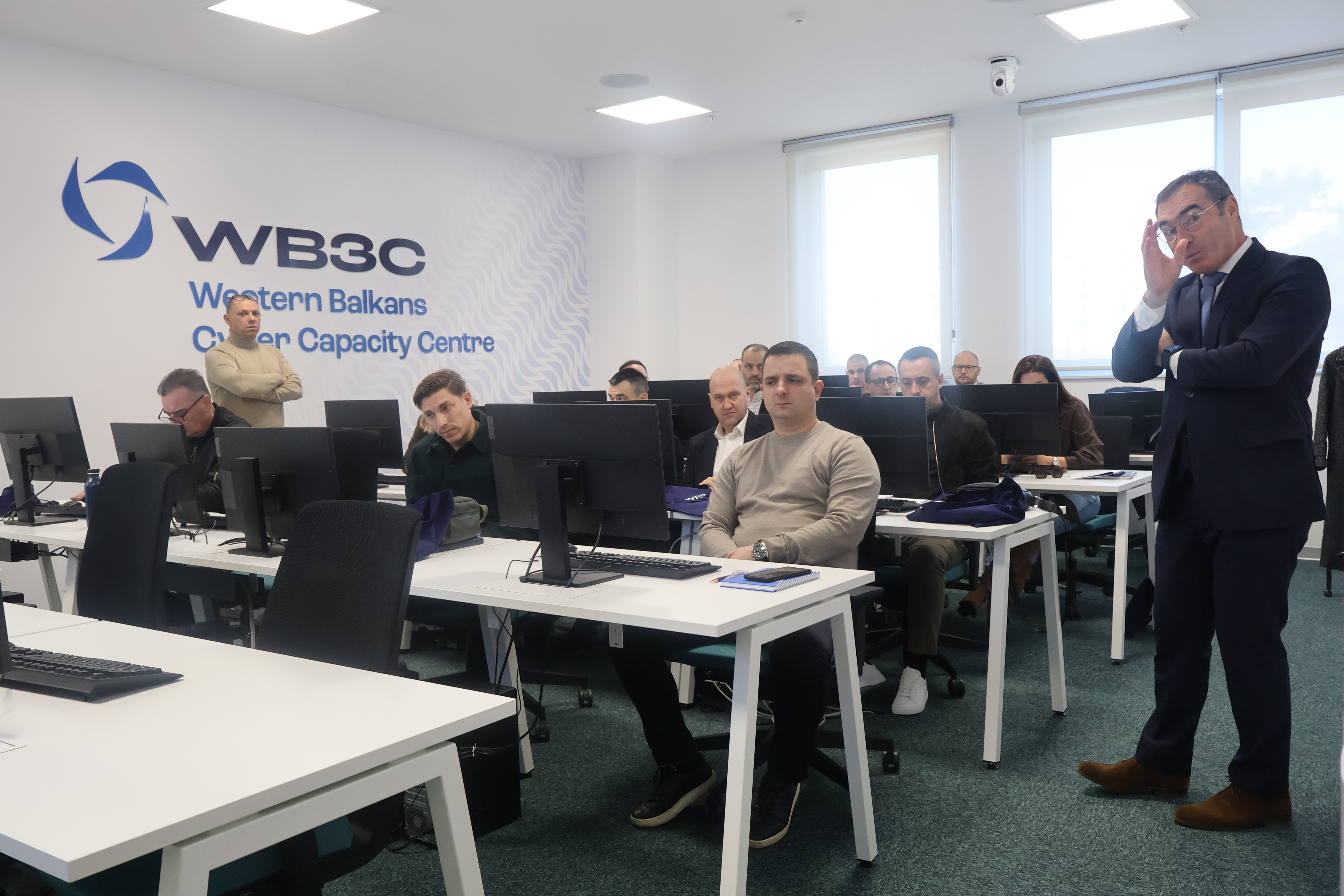
On Day 2, participants visited the Western Balkans Cyber Capacity Centre (WB3C), where our team presented its mandate and activities supporting regional cybercrime investigations. Director Gilles Schwoerer presented the overall operations of the Centre while our in-house expert for cybercrime, Cyril C., introduced WB3C’s crypto-assets training programme, highlighting how investigators in the region are being equipped with practical skills for blockchain analysis, cryptocurrency tracing and digital evidence handling in financial investigations.
Discussions throughout the meeting emphasized the growing importance of digital forensics, blockchain analysis and cross-border cooperation in identifying and recovering criminal proceeds linked to trafficking in persons.
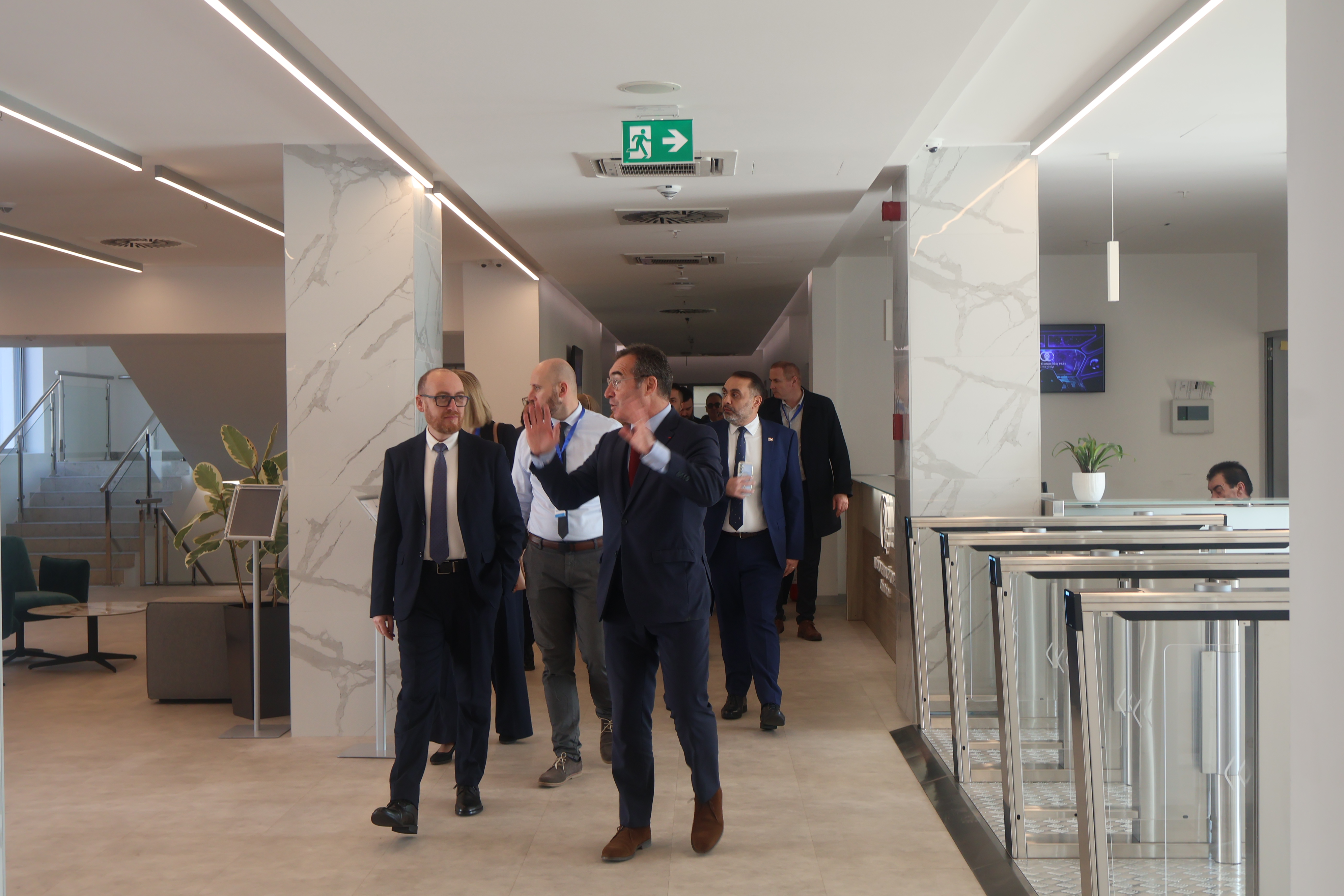
Events like this demonstrate how cooperation between international organizations, governments, investigative bodies and technical experts is becoming essential to address increasingly complex financial crimes in the digital era. The group visited the WB3C training facilities and part of the Science and Technology Park as one of the driving platforms for innovation in Montenegro.