
×

WB3C Participates in EU CYBER DIRECT Workshop in Brussels

12.03.2026

Image for WB3C Participates in EU CYBER DIRECT Workshop in Brussels

WB3C was pleased to take part in the discussion organised by the EU Institute for Security Studies and EU Cyber Direct – EU Cyber Diplomacy Initiative on “Europe Connected and Secure: Leveraging cyber and digital capacities in enlargement countries,” held in Brussels on 12 March.
The workshop brought together representatives from the Western Balkans, EU institutions and partners from Ukraine to assess common cyber threats, institutional realities, and the role that digital resilience can play in strengthening Europe’s neighbourhood security.
For WB3C, it was a valuable opportunity to exchange perspectives with colleagues from the WB6 partners, DG ENEST, DG CONNECT, ENISA, EEAS and other stakeholders working to support the EU enlargement agenda through stronger cyber and digital capacities.

Two ideas emerging from the discussion that our Programme Director Gilles Schwoerer engaged in are particularly important for us and will guide WB3C’s work in the coming months:
• A regional cyber diplomacy initiative, to be developed together with EU Cyber Direct, which WB3C aims to host in the second half of the year.
• A structured dialogue with universities across the region, to explore how practice-based cyber modules developed at WB3C can complement and strengthen existing or emerging Master’s programmes in cybersecurity.

Developing talent and building institutional capacity remain central to the region’s digital future. WB3C looks forward to continuing this conversation with partners across the region and the EU.


Balkan Cybersecurity Days 2026: Cyberdiplomacy Workshop

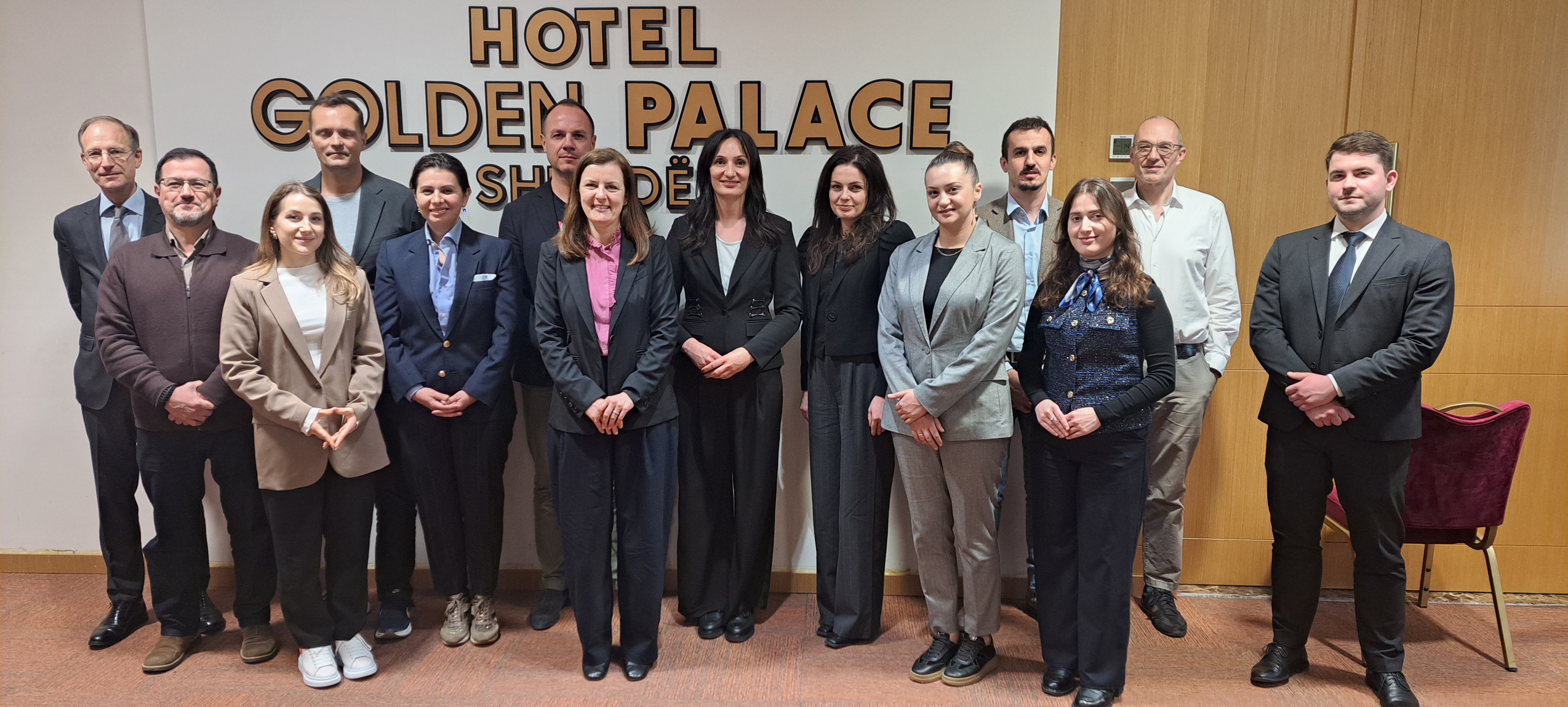
As part of the Balkan Cybersecurity Days 2026, 17-18 March in Shkodra, WB3C co-organised a dedicated policy workshop on Cyber Diplomacy in Action, together with DCAF - Geneva Centre for Security Sector Governance — bringing together a wider community of public institutions, experts and practitioners working at the intersection of cybersecurity and policy.
The workshop was opened by Franziska Klopfer (DCAF) and Maja Miranovic on behalf of WB3C. In her remarks, Maja welcomed participants and reflected on an important institutional milestone — WB3C’s transition into an international organization, the first headquartered in Montenegro.

The policy workshop focused on the practical side of cyber diplomacy — the tools needed to better understand the evolving threat landscape, the role of different actors in cyberspace, and the increasing need for coordinated national positions.
Through a combination of expert-led sessions and hands-on exercises, participants explored:
the technical and strategic foundations of cyberspace,
➡️ the role and responsibilities of cyber diplomats,
➡️ coordination within government and engagement in international processes,
➡️ the application of the EU Cyber Diplomacy Toolbox in a crisis simulation setting. 
The discussions reinforced a simple point: for the Western Balkans, effective cyber diplomacy depends on cooperation, trust and the ability to act together in an increasingly complex digital environment.
Investigating Disinformation - Training for Law Enforcement

Disinformation is taking an increasingly central place in the security agenda. It is a real and growing challenge that can weaken trust, influence democratic processes such as elections and exploit societal vulnerabilities through digital channels with massive reach. That is why WB3C is integrating this topic into its programme portfolio and launching a new training series for law enforcement agencies in the Western Balkans.

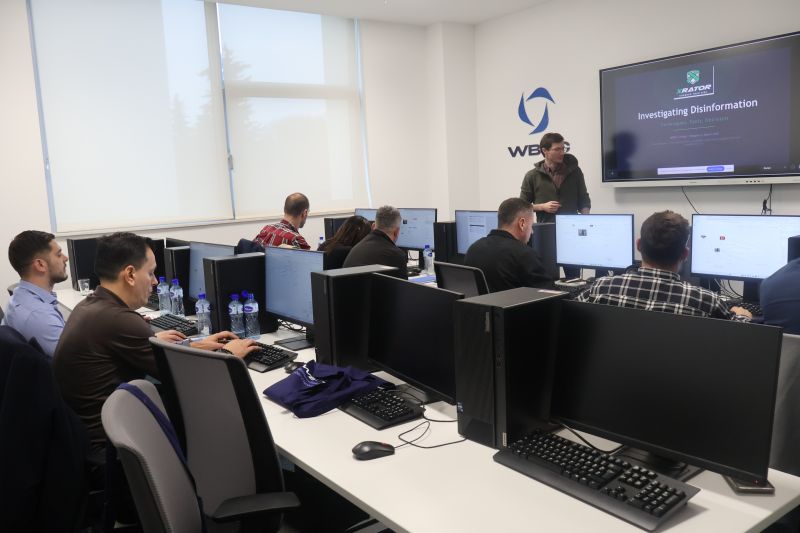
Yesterday, we launched Investigating Disinformation Training for Law Enforcement, bringing together practitioners from across the Western Balkans for a two-day operational training focused on detecting, assessing and responding to disinformation as a security threat.
Delivered with the support of Ronan Mouchoux from XRATOR, the training combines practical exercises, case-based learning and regional scenarios to help connect analysis with lawful and proportionate action.

At the same time, disinformation and FIMI cannot be addressed by one institution alone. While law enforcement has an important role, resilience depends on a whole-of-society approach — with cooperation across public institutions, the judiciary, media, civil society and education systems.
Strengthening this ecosystem is essential for protecting democratic processes, public trust and security across our region.


Criminal Investigation in a Digital Environment - Training for Judges and Prosecutors

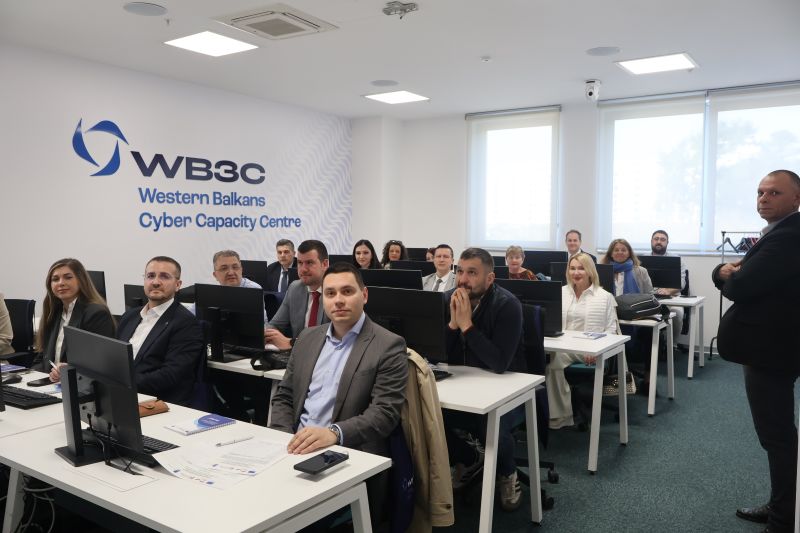
Today, WB3C is launching a four-day regional training for judges and prosecutors delivered in cooperation with EU4FAST and CIVIPOL, continuing our work under the Cybercrime pillar to strengthen the foundations of criminal investigations involving online and digitally enabled crimes.
This course brings together members of the judiciary from across the Western Balkans to deepen their understanding of how cyber-enabled crimes are investigated and prosecuted in practice.
The programme is structured around three core blocks:
• Typologies of cyber and cyber-enabled crime
• OSINT and dark web investigations
• Cryptocurrencies and blockchain in criminal investigations
These areas are increasingly relevant for prosecutors and judges who must assess complex digital evidence and understand the investigative methods used by law enforcement.
The training is delivered by WB3C’s in-house experts Cyril C. and Yannick Casse, building on the Centre’s regional approach that brings together practitioners from across the Western Balkans to learn from shared challenges and investigative experience.
In 2025, WB3C organised 18 training sessions in cybercrime, reaching more than 183 police officers, judges, prosecutors and police cadets.
In 2026, we aim to further intensify this work — expanding our cybercrime training portfolio and introducing new topics, including disinformation and the fight against foreign information manipulation and interference, reflecting the evolving nature of digital threats.
The effective resolution of cybercrime cases is essential for advancing compliance with Chapters 23 and 24, especially with regard to judicial capacity, the rule of law, and internal security.


Copyright © WB3C

Disclaimer: Translations of the original content written in English into other languages are AI generated by Weglot.