×

Translating EU Standards into Practice: Workshop for Public Servants Training Institutions

27.03.2026

Image for Translating EU Standards into Practice: Workshop for Public Servants Training Institutions

Building on last year’s work on EU legislation and public-sector cybersecurity standards, we continued the conversation this week — but moved it one step further.
This regional training brought together institutions in the region responsible for training public servants, with a clear focus: how do we translate standards into practice?
Participants explored emerging trends, but more importantly, worked through how to design and deliver cybersecurity curricula that actually respond to today’s risks — grounded in real case studies from both the EU and the region, and shaped by peer exchange.
What made this edition different was its depth. With a more technical focus, and under the guidance of Mladen Bukilic Head of Čikom's Security Operations Centre, the discussions moved closer to operational realities — from frameworks to implementation.
The participants were welcomed by the partnership teams representatives Bojana Bajić (Regional School of Public Administration), Sokol Haxhiu (DCAF - Geneva Centre for Security Sector Governance) and Gilles Schwoerer (Western Balkans Cyber Capacity Centre (WB3C)), reaffirming a shared commitment to strengthening institutional capacity across the region.


Day 2 at the Forum INCYBER (FIC), Lille, France

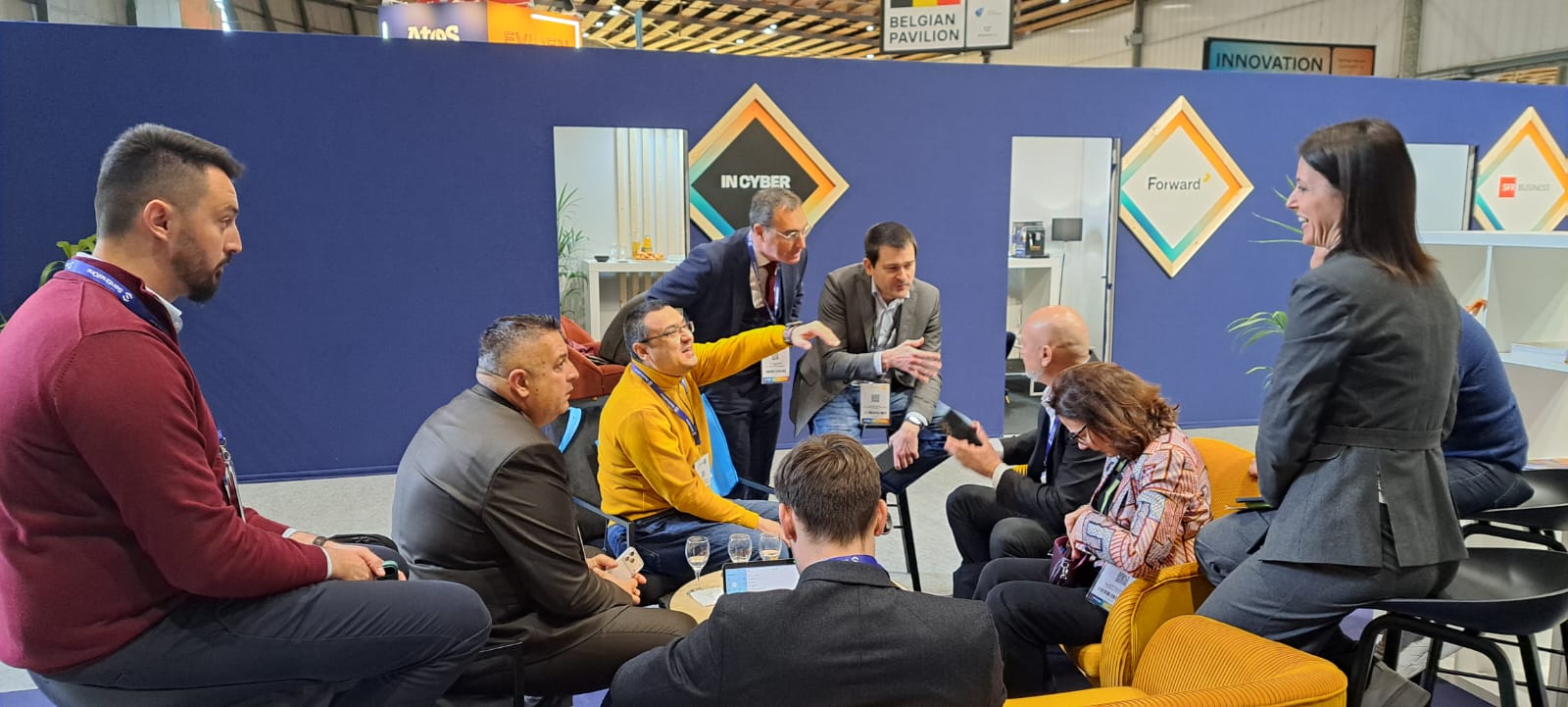
Western Balkans delegation had a productive day at the cybersecurity industry fair in Lille. First, they participated in a panel discussion dedicated to the topic of cybersecurity of critical infrastructure. The discussion highlighted regional experiences, key challenges and priorities in protecting critical entities while opening a direct exchange with European counterparts and exchanging views on emerging issues in critical infrastructure protection.
There was a strong interest from the audience which led to a lively discussion, opening numerous related questions. 
The panel ensured that perspectives from the region are part of the broader cybersecurity conversation and that the region receives visibility in one of the leading European industry events. 

The afternoon was reserved for attending presentations by a selected number of cybersecurity companies, followed by targeted B2B meet-ups. These meetings enabled direct introductions, exchange of practical solutions, and exploration of potential cooperation with industry partners.

Today was an excellent day for creating concrete opportunities for future cooperation and partnership development.
https://lnkd.in/dcAg6kcR

Photo credit: Forum INCYBER (FIC)
Western Balkans at the Forum INCYBER in Lille, France

For the second year in a row, WB3C is organizing a regional study visit to Lille, where the Forum INCYBER (FIC) 2026 is taking place — one of Europe’s leading cybersecurity events and a key meeting point for public authorities, critical infrastructure operators, industry leaders and cybersecurity experts shaping the continent’s digital security agenda.
Our delegation has arrived today to take part in this three-day forum, engaging in discussions, exchanges, and partnership-building with European counterparts.
Beyond participation, this visit carries a forward-looking objective. Throughout the Forum, the delegation — led by Gilles Schwoerer and Maja Miranovic — will engage in a series of conversations on bringing a similar industry event to Podgorica this summer, marking the launch of the first industry event of this kind in the Western Balkans.
Our regional delegation brings together representatives from across institutions including national cybersecurity authorities, critical infrastructure, private sector and regional organizations: 

  • Samir Orahovac, Acting Director of National Cyber Security Agency of Montenegro;
  • Jovan Kljajić, President of a Council of National Cyber Security Agency of Montenegro;
  • Spasoje Zecevic, Infrastructure Manager at Science-Technology Park, Montenegro;
  • Dragan Radulović, President of Association of Security Managers of Montenegro and incoming President of South-East Europe Association;
  • Metodi Hadјi Janev, Cybersecurity Solutions Strategist at CDRF Global & Professor at Military Academy, Skopje, North Macedonia;
  • Predrag Puharic, CEO at Cyber Security Excellence Centre and Vice Mayor of Sarajevo, Bosnia and Hercegovina;
  • Mladen Bukilic, CISO / SOC Manager at Cikom
  • Tanja Maraš, Expert on Digital Connectivity at Regional Cooperation Council (RCC), Bosnia and Hercegovina. 

During the Forum, WB3C will also contribute through a dedicated panel focused on the cybersecurity of critical infrastructure, ensuring that regional perspectives are part of the broader European conversation.

Training for Investigators and Prosecutors Under EU4FAST Programme

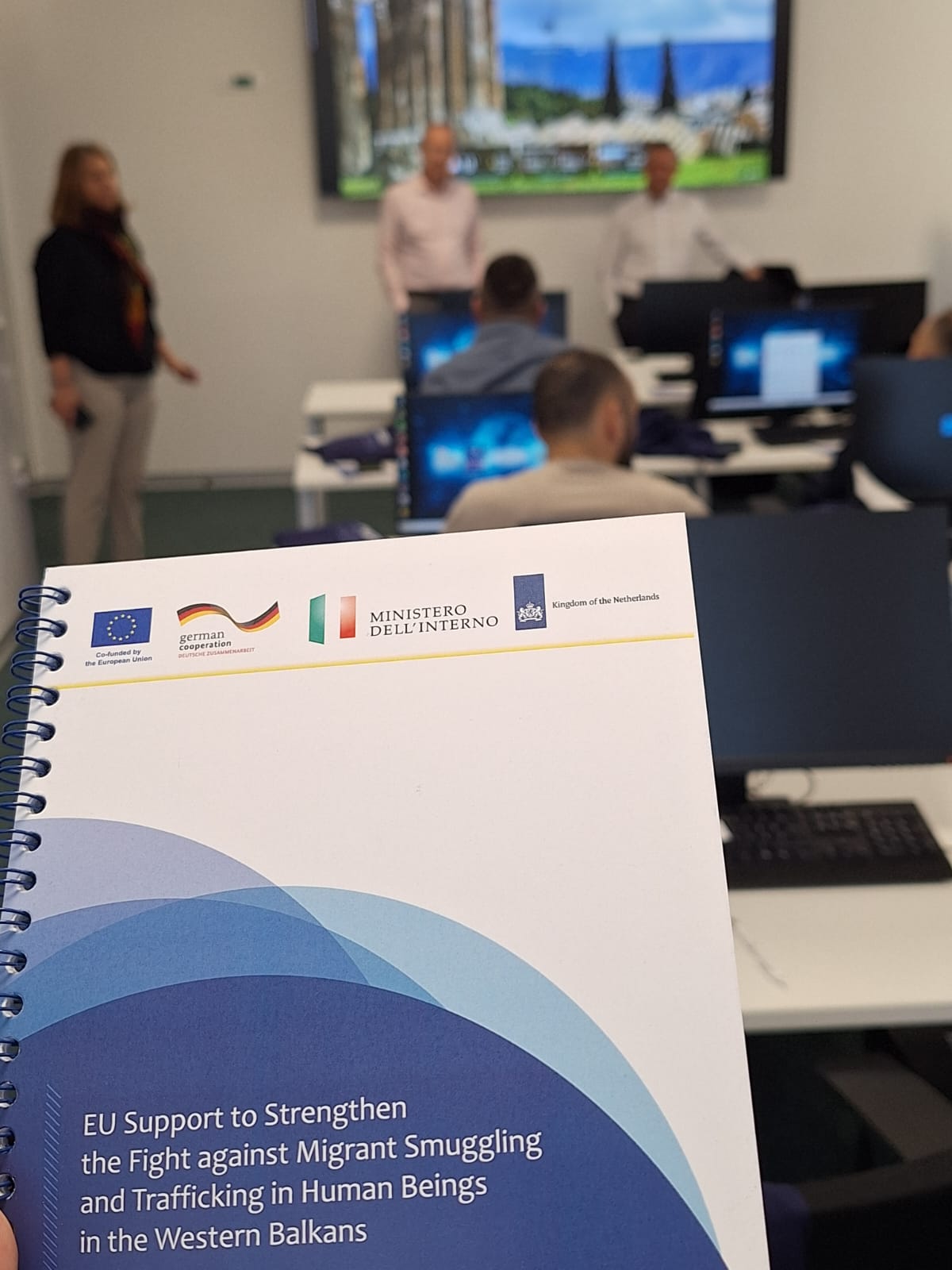
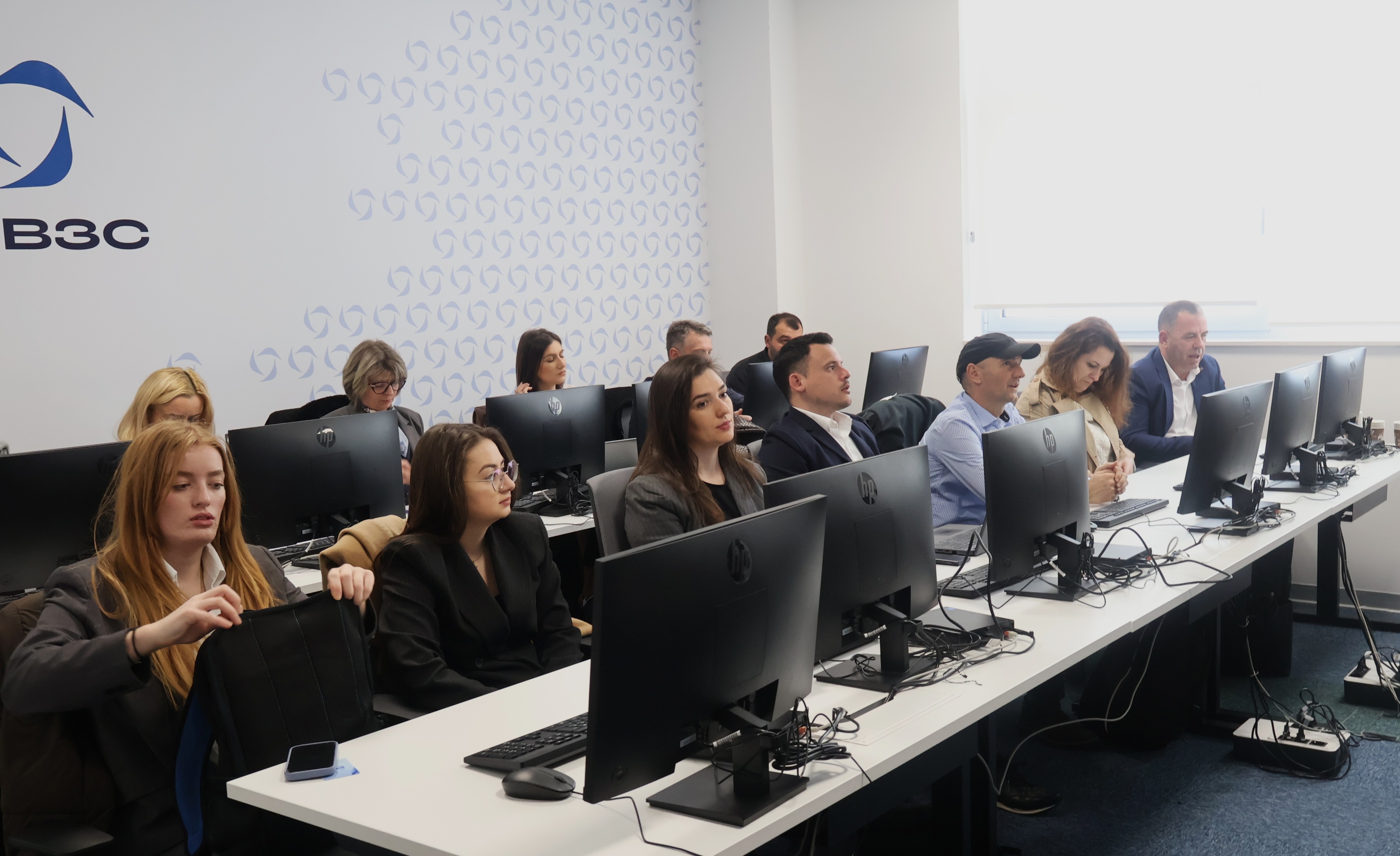
Last week, in cooperation with EU4FAST, WB3C delivered a second four-day regional training under the Cybercrime pillar aimed to strengthen the foundations of criminal investigations involving online and digitally enabled crimes. 
The training was dedicated to police investigators and prosecutors from the region, focusing strongly not only on technical skills, but also on strengthening cooperation between these two functions within the criminal justice system. 
As cybercrime cases increasingly rely on complex digital evidence, effective case-building depends on early and continuous coordination between those who investigate and those who prosecute. Bringing these two communities together in a single training environment is therefore a deliberate approach aimed at improving mutual understanding, aligning methodologies, and ultimately strengthening the overall quality of criminal proceedings.
The programme was structured around three core components:
• Typologies of cyber and cyber-enabled crime
• OSINT and dark web investigations
• Cryptocurrencies and blockchain in criminal investigations 

The course combined theory and practical exercises, prompting the participants to work together through shared challenges and better understand each other’s roles in handling digital evidence. The training was delivered by delivered by WB3C’s in-house trainers Yannick Casse and Cyril C. 
The multi-donor action "EU Support to Strengthen the Fight against Migrant Smuggling and Trafficking in Human Beings in the Western Balkans” (EU4FAST) is implemented by a consortium of partners: the Deutsche Gesellschaft für Internationale Zusammenarbeit (GIZ), the Austrian Ministry of Interior, the German Federal Police (Bundespolizei), the Dutch Center for International Legal Cooperation (CILC), the international technical cooperation operator of the French Ministry of the Interior CIVIPOL, the Croatian Ministry of the Interior, the Italian Ministry of the Interior and the Slovenian Ministry of the Interior.


Copyright © WB3C

Disclaimer: Translations of the original content written in English into other languages are AI generated by Weglot.