
×

WB3C at the International Girls in ICT Day 2025 Panel

24.04.2025

Image for WB3C at the International Girls in ICT Day 2025 Panel

 Our Senior Project Manager, Vanja Madzgalj MBE, had the honour of speaking at a distinguished panel organised by Europe House, WeBalkans, and Women4Cyber Montenegro, in celebration of International hashtag#GirlsinICTDay 2025.  The panel brought together some of Montenegro’s most prominent women leaders in tech: 
· Valentina Radulović, Director of the Science and Technology Park
· Jasna Pejovic Pejović, Founder of hashtag#Flourish, recognized as one of top 15 EdTech solutions in US.
· Ana Nives Radovic, leading figure in fintech and blockchain, and a game developer with a remarkable academic and artistic background
· Andreja Mihailovic, PhD, Doctor of Law and President of Women4Cyber Montenegro, a tireless advocate of gender equality and promoter of women in ICT.

As someone who transitioned into the tech and cybersecurity field after a long-standing career in education, creative industries and international cooperation, Vanja Madzgalj MBE spoke about how strategic leadership, community building experience and lifelong micro-learning supported her shift into a new sector.

At the Western Balkans Cyber Capacity Centre (WB3C), she now leads on strategic communications and brand development, helping to position the Centre as a regional driver of cyber resilience and EU integration efforts in the Western Balkans. 

In her message to young women she highlighted that:

·        The tech sector thrives on diverse talents — not only engineers, but also educators, policy experts, creatives and communicators.
·        Adaptability, creativity and life-long learning are essential to sustainable career growth.
·        Having a clear goal and professional direction empowers us to shape our paths with purpose, rather than leaving it to chance. 

At WB3C, we believe that diversity in the tech sector is not just an organisational imperative — it is a societal one. And yet, real change often begins with small, strategic steps: a decision to learn, to connect and to speak up. Because tech is not only about code. It is about people — people with vision, creativity and resilience.

WB3C proudly supports gender equality in cybersecurity — and we remain committed to creating space for more women to shape our digital future.


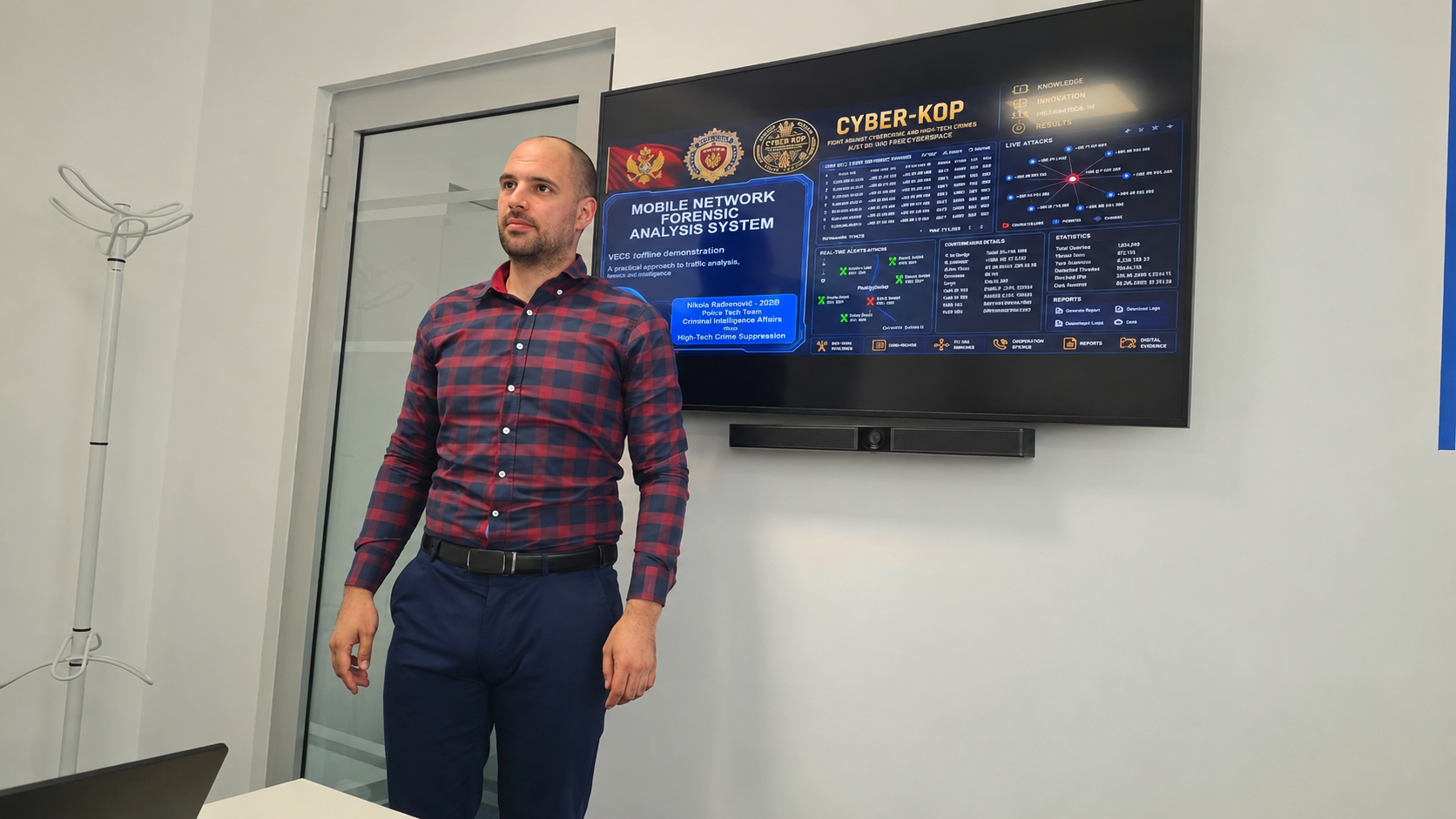
Police officers complete demanding 15-month journey from investigator to digital forensics graduate

When fourteen police investigators recently graduated from WB3C's Digital Forensics programme delivered in partnership with the University of Technology of Troyes (UTT), the public saw the final result: internationally recognised diplomas, successful thesis defences and a new generation of specialised cybercrime investigators.

Less visible was the work that took place behind the scenes to get there.

For fifteen months, participants balanced full-time operational duties with a university-level programme requiring approximately 1,400 hours of study. While continuing to investigate cybercrime cases and fulfil their professional responsibilities, they attended classes, completed practical assignments, conducted research and prepared professional theses.

As the programme entered its final stage, WB3C and UTT intensified their support to help participants navigate one of the most demanding parts of the academic journey: the preparation and defence of their final papers.

Participants received detailed guidance on thesis writing, academic standards and defence procedures applied by UTT. Following the submission of their papers, mentors conducted individual reviews and provided detailed feedback, recommendations and improvement points. Students then worked through revisions and refinements before receiving final confirmation that their work met the required academic standards.

Throughout this process, mentors remained available for consultations, questions and individual support, ensuring that participants could successfully bridge the gap between operational expertise and academic requirements.

The final result was more than a successful examination. It demonstrated the determination of investigators who committed to a demanding programme while remaining on active duty, and the value of sustained mentorship and international cooperation in building specialised cybercrime capabilities.

The graduation of all fourteen participants stands as a testament not only to their professional competence, but also to the perseverance required to complete a rigorous university programme alongside the realities of modern law enforcement work.
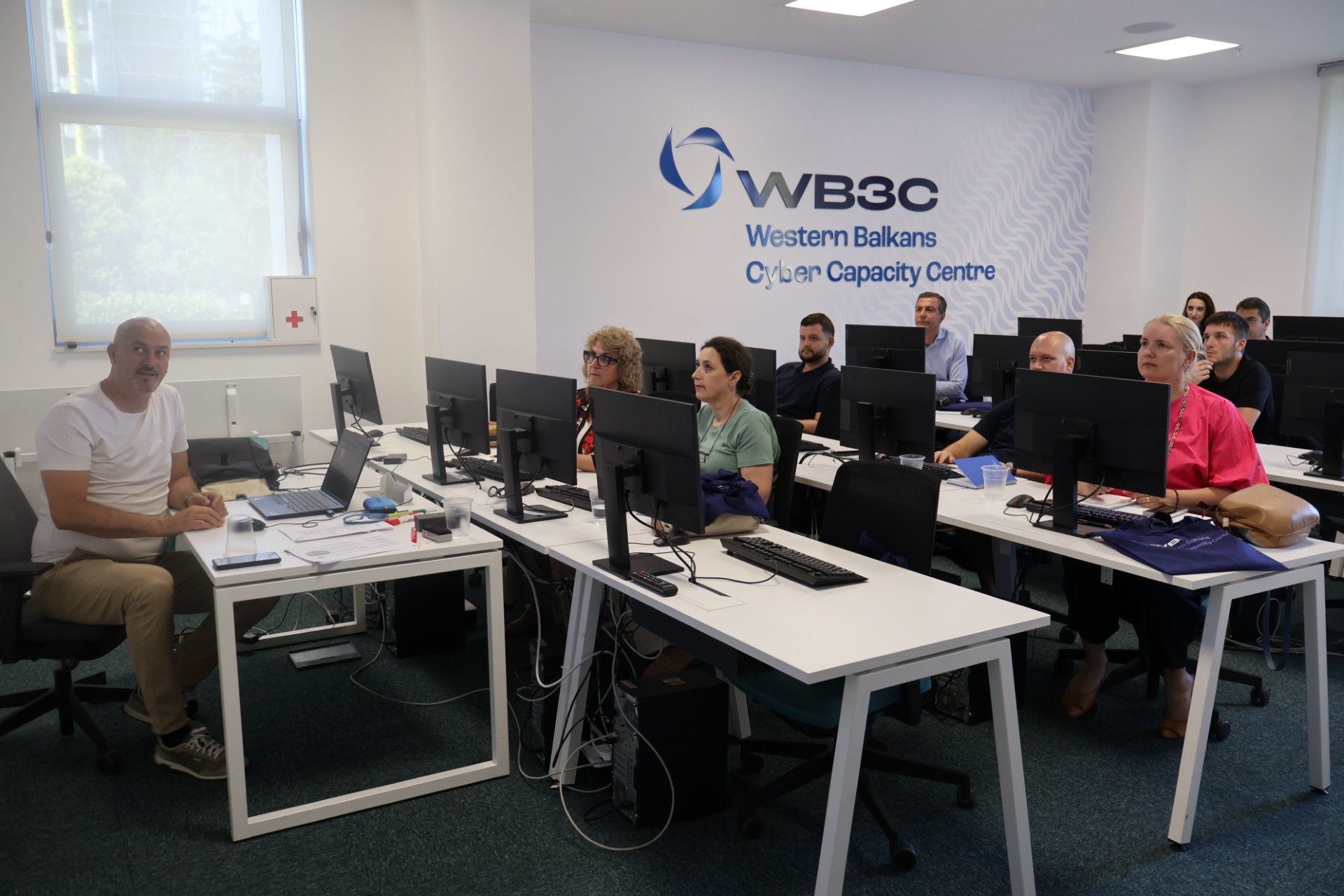
Advancing Cyber Resilience of Critical Entities through ISO 27001 Training

This week, at Western Balkans Cyber Capacity Centre (WB3C) we are running a three-day training on ISO/IEC 27001:2022, delivered in cooperation with our partner Čikom and led by its CISO and SOC Manager Mladen Bukilic.

As countries across the region advance their alignment with European cybersecurity requirements, organisations responsible for public services and critical functions face growing expectations to manage risks in a systematic and measurable way.
The training introduces participants to the principles of Information Security Management Systems (ISMS), covering topics such as risk assessment, security governance, incident management, internal audits and continual improvement. Through practical exercises and case studies, participants develop the tools needed to translate security requirements into organisational practice.
More than a compliance exercise, ISO 27001 provides a framework for protecting information assets, strengthening organisational resilience and building trust in an increasingly interconnected environment.
The activity is delivered within the regional project "Improving the Resilience of Critical Entities and the Protection of Public Spaces and Cyberspace against Security Threats in the Western Balkans", funded by the European Union.

WB3C and the Centre for Education of Judges and Prosecutors of the Federation of Bosnia and Herzegovina Deliver Cybercrime Training in Sarajevo

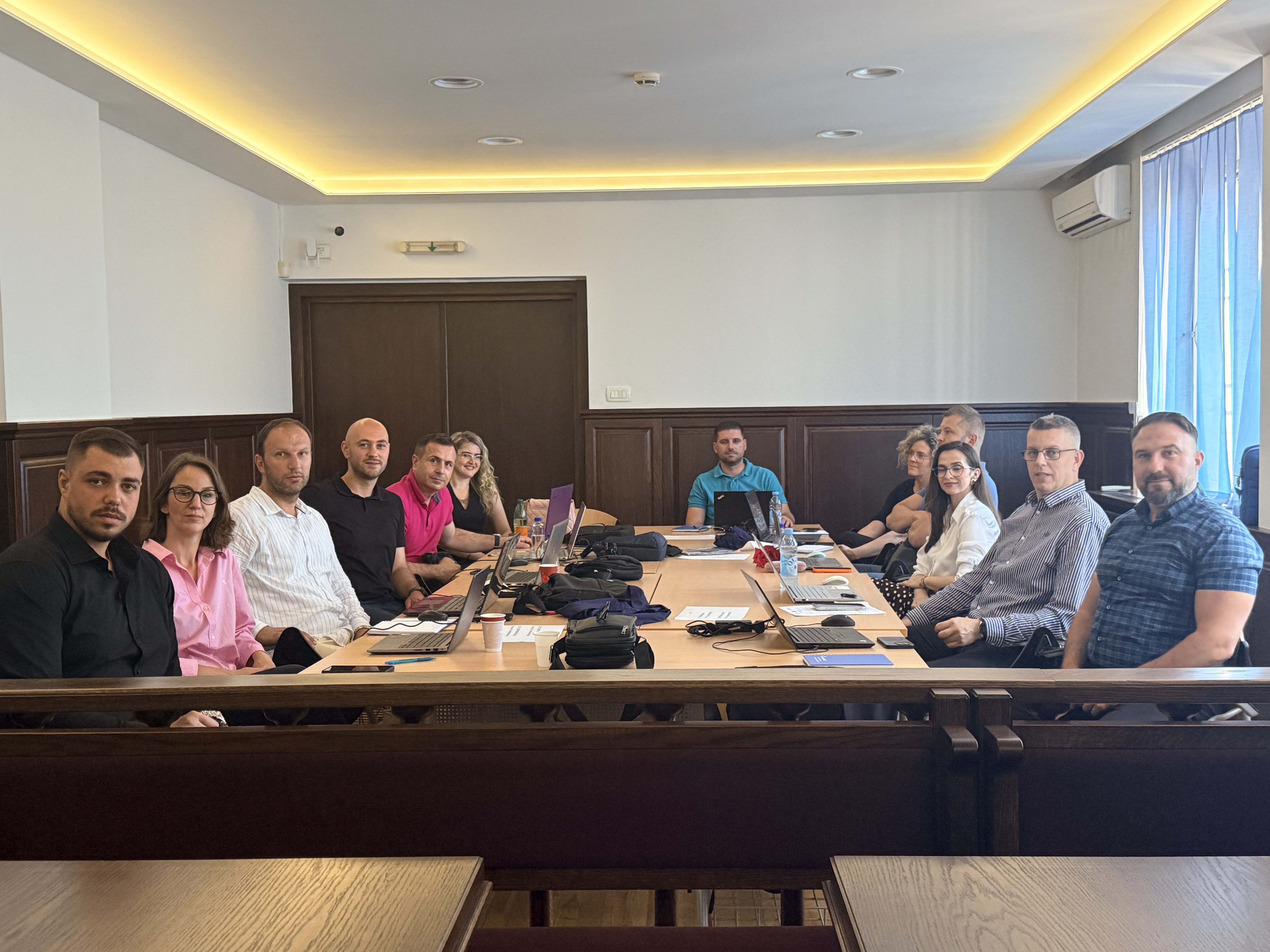
Following last week's cybercrime training for police officers in Banja Luka, the Western Balkans Cyber Capacity Centre (WB3C) continued its outreach programme in Bosnia and Herzegovina this week with a specialised training for prosecutors and judges in Sarajevo, 22-24 June 2026.

Delivered in cooperation with the Centre for Education of Judges and Prosecutors of the Federation of Bosnia and Herzegovina (CEST FBiH), the programme brought together judicial practitioners to strengthen their understanding of cybercrime, digital evidence, open-source intelligence (OSINT), blockchain technologies and cryptocurrencies. Through a combination of expert-led sessions and practical exercises, participants explored the legal, procedural and evidentiary challenges that increasingly accompany cybercrime cases.

The Sarajevo training builds on the police-focused programme delivered in Banja Luka the previous week and forms part of a broader capacity-building effort developed jointly with institutions across Bosnia and Herzegovina. Following extensive consultations with both the Centre for Education of Judges and Prosecutors of the Federation of Bosnia and Herzegovina and the Ministry of Interior training structures in Republika Srpska, WB3C designed a tailored programme reflecting the specific needs and operational realities of the country's criminal justice system.

Cybercrime investigations require effective cooperation between investigators, prosecutors and judges. By supporting capacity development across the entire criminal justice chain, WB3C seeks to contribute to a more coordinated and effective response to cybercrime in Bosnia and Herzegovina.


Copyright © WB3C

Disclaimer: Translations of the original content written in English into other languages are AI generated by Weglot.