×

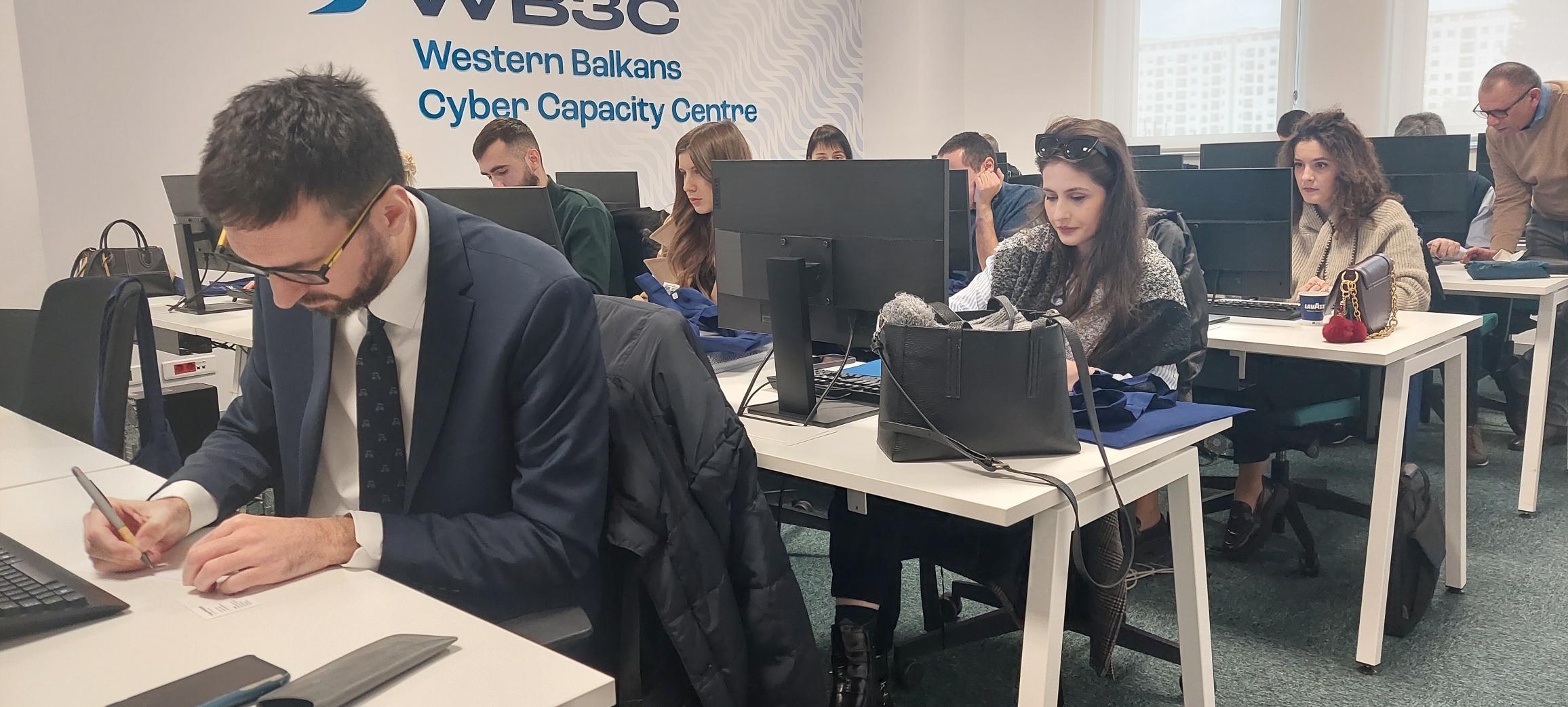
Cyber Hygiene Training for Ministry of European Affairs of Montenegro

28.01.2026

Image for Cyber Hygiene Training for Ministry of European Affairs of Montenegro

Today we start a short CyberHygiene training for colleagues at Montenegro’s Ministry of European Affairs. The training is led by WB3C-s in-house trainers Cyril C. and Yannick Casse.
Over the two days, we will work through the threats civil servants face most often — phishing, malware/ransomware and social engineering — and the practical habits that reduce risk without needing to advance technical skills such as: safer daily practices, data confidentiality and clear incident response basics.
A reminder worth repeating: cyber hygiene is organizational hygiene. Firewalls and policies help, but day-to-day resilience is built in small decisions made across the institution. Every civil servant counts.
A simple checklist that pays off:
⚠️ Pause before you click (especially “urgent” emails)
⚠️ Use strong passwords/passphrases + multi-factor authentication where available
⚠️ Keep devices and apps updated
⚠️ Report suspicious activity early—speed matters

Director Gilles Schwoerer greeted the participants by emphasizing that cybersecurity culture doesn’t start in the IT department, but it starts in each inbox. We are very pleased to welcome the behind-the-scenes force driving Montenegro's successful advancement towards the EU accession and to share that WB3C is expecting its first multi-year EU grant in March this year, aimed at supporting the region in meeting the requirements from the cyber agenda and strengthening its overall resilience, especially its critical infrastructure. We look forward to joining forces with ministries around the region in 2026 - a year expected to bring a dynamic plan of activities.


Investigating Disinformation - Training for Law Enforcement

Disinformation is taking an increasingly central place in the security agenda. It is a real and growing challenge that can weaken trust, influence democratic processes such as elections and exploit societal vulnerabilities through digital channels with massive reach. That is why WB3C is integrating this topic into its programme portfolio and launching a new training series for law enforcement agencies in the Western Balkans.

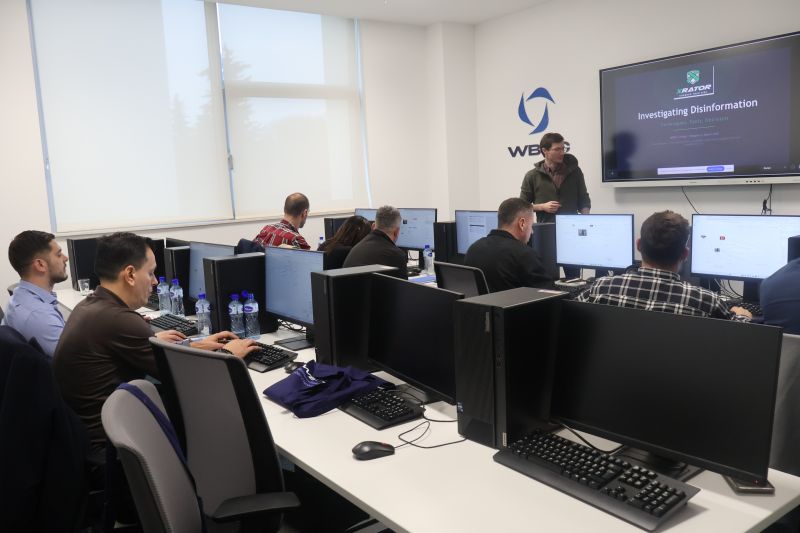
Yesterday, we launched Investigating Disinformation Training for Law Enforcement, bringing together practitioners from across the Western Balkans for a two-day operational training focused on detecting, assessing and responding to disinformation as a security threat.
Delivered with the support of Ronan Mouchoux from XRATOR, the training combines practical exercises, case-based learning and regional scenarios to help connect analysis with lawful and proportionate action.

At the same time, disinformation and FIMI cannot be addressed by one institution alone. While law enforcement has an important role, resilience depends on a whole-of-society approach — with cooperation across public institutions, the judiciary, media, civil society and education systems.
Strengthening this ecosystem is essential for protecting democratic processes, public trust and security across our region.


Criminal Investigation in a Digital Environment - Training for Judges and Prosecutors

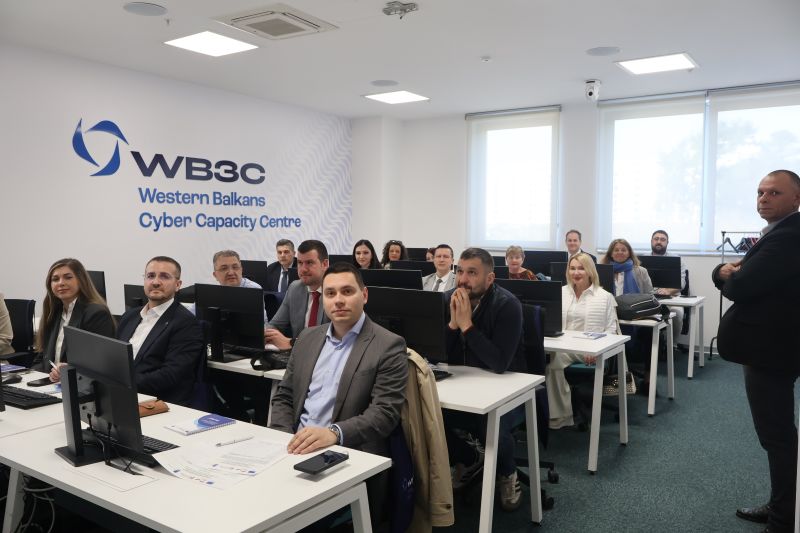
Today, WB3C is launching a four-day regional training for judges and prosecutors delivered in cooperation with EU4FAST and CIVIPOL, continuing our work under the Cybercrime pillar to strengthen the foundations of criminal investigations involving online and digitally enabled crimes.
This course brings together members of the judiciary from across the Western Balkans to deepen their understanding of how cyber-enabled crimes are investigated and prosecuted in practice.
The programme is structured around three core blocks:
• Typologies of cyber and cyber-enabled crime
• OSINT and dark web investigations
• Cryptocurrencies and blockchain in criminal investigations
These areas are increasingly relevant for prosecutors and judges who must assess complex digital evidence and understand the investigative methods used by law enforcement.
The training is delivered by WB3C’s in-house experts Cyril C. and Yannick Casse, building on the Centre’s regional approach that brings together practitioners from across the Western Balkans to learn from shared challenges and investigative experience.
In 2025, WB3C organised 18 training sessions in cybercrime, reaching more than 183 police officers, judges, prosecutors and police cadets.
In 2026, we aim to further intensify this work — expanding our cybercrime training portfolio and introducing new topics, including disinformation and the fight against foreign information manipulation and interference, reflecting the evolving nature of digital threats.
The effective resolution of cybercrime cases is essential for advancing compliance with Chapters 23 and 24, especially with regard to judicial capacity, the rule of law, and internal security.

WB3C Elects Naim Djokaj as its First Director General

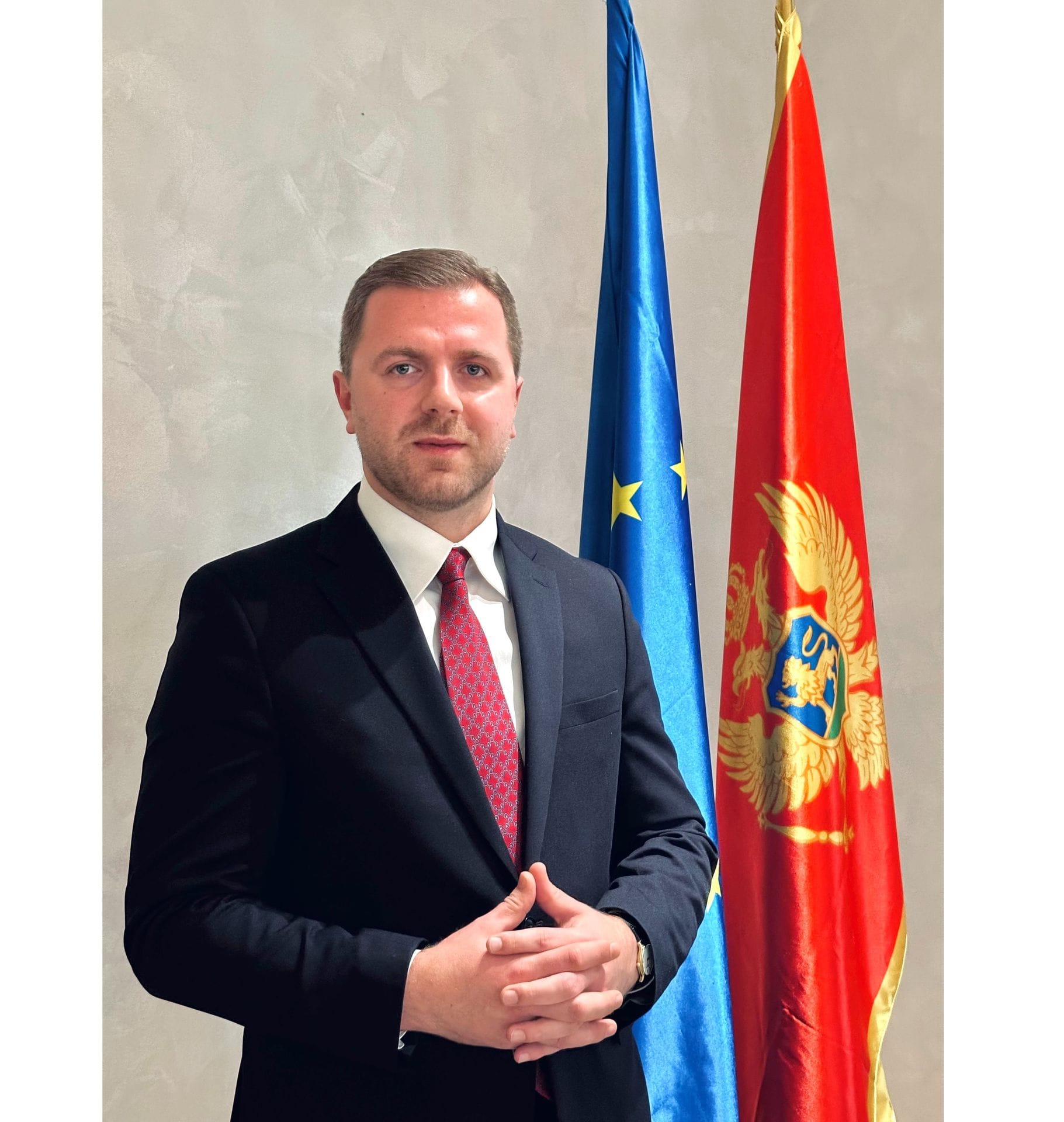
The Governing Board of the Western Balkans Cyber Capacity Centre (WB3C), meeting for its first session in Podgorica on 10 March 2026, elected Naim M. GJOKAJ as the Centre’s new Director General.
Mr. Gjokaj currently serves as State Secretary at the Ministry of Public Administration of Montenegro, a role he has held since December 2023. 
He brings extensive experience in public administration reform and regional cooperation, with a strong focus on digital transformation and institutional development. Mr. Gjokaj holds a degree in Banking from the Faculty of Financial Sciences at Marmara University in Istanbul, where he studied as a scholarship recipient of the Government of Turkey. 
His election marks an important step in the continued institutional development of WB3C following the Centre’s transition into an international organisation.
Mr. Gjokaj will be taking the position at the end of Q2, joinging our Programme Director Gilles Schwoerer in strengthening the institution’s foundations, deepening regional cooperation, expanding strategic partnerships and further consolidating WB3C’s role as a key regional platform supporting the EU integration and digital resilience of the Western Balkans. He will be working alongside our Programme Director Gilles Schwoerer in guiding the Centre’s strategic growth and programme development in the years ahead.

We warmly congratulate Director General-elect Naim Gjokaj and look forward to welcoming him to the WB3C team.


Copyright © WB3C

Disclaimer: Translations of the original content written in English into other languages are AI generated by Weglot.