OSINT and the dark web: supporting anti-drug investigations
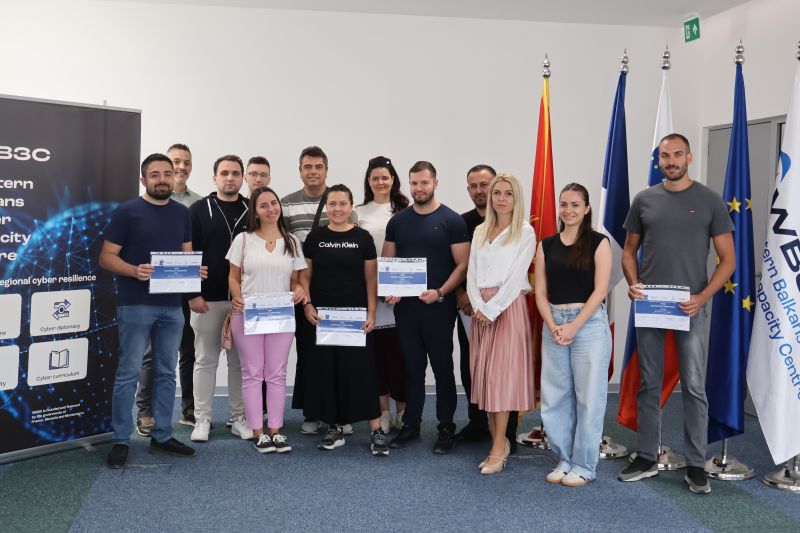
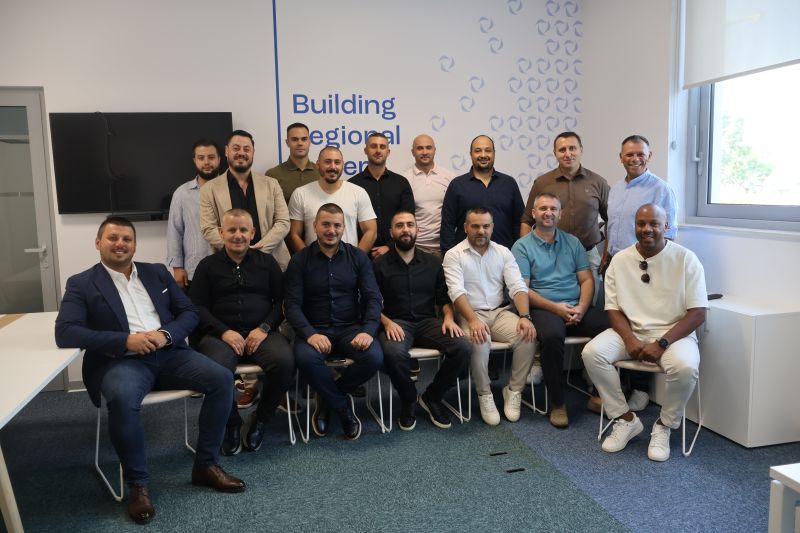
This week at WB3C, we concluded a four-day OSINT – Dark Web training for anti-drug police units, coming from law enforcement units from across the Western Balkans. The course was designed for police officers working in drug units and joining a WB3C training for the first time.
The focus was practical: how publicly available information can support internet-based investigations, from identifying potential threats and collecting digital evidence to producing actionable intelligence for operational decision-making.
Over four days, participants worked through the fundamentals of OSINT, evidence preservation, online protection and anonymisation, social-network investigations, investigative checks, the dark web, and structured data-collection planning. Particular attention was given to preserving the integrity of digital evidence and navigating online environments safely and securely.
The training was delivered by Nicholas Michee from OFAST, France, together with Cyril CORRIAS, WB3C’s cybercrime trainer. Combining specialist anti-drug investigation experience with cybercrime expertise, they guided participants through the technical and investigative aspects of using open-source information and online environments in support of operational work.
Thank you to Nicholas Michee and our partners at OFAST, France, for their cooperation and expertise, and to Cyril Corrias for his contribution to the training. Thank you also to the participating officers for four days of focused practical work and professional exchange.