×

Coordination Meeting with RCC/IISG

27.03.2026

Image for Coordination Meeting with RCC/IISG

There are many initiatives across the Western Balkans focused on building capacity in cybersecurity — but how can donors work more closely together to use resources more efficiently and maximise impact? And how do we ensure that training and learning are translated into real operational capability?
At the same time, how can the Integrative Internal Security Governance (IISG) mechanism, coordinated by Regional Cooperation Council (RCC), for mapping regional needs and ongoing support be strengthened to enable more tailored, targeted capacity building?
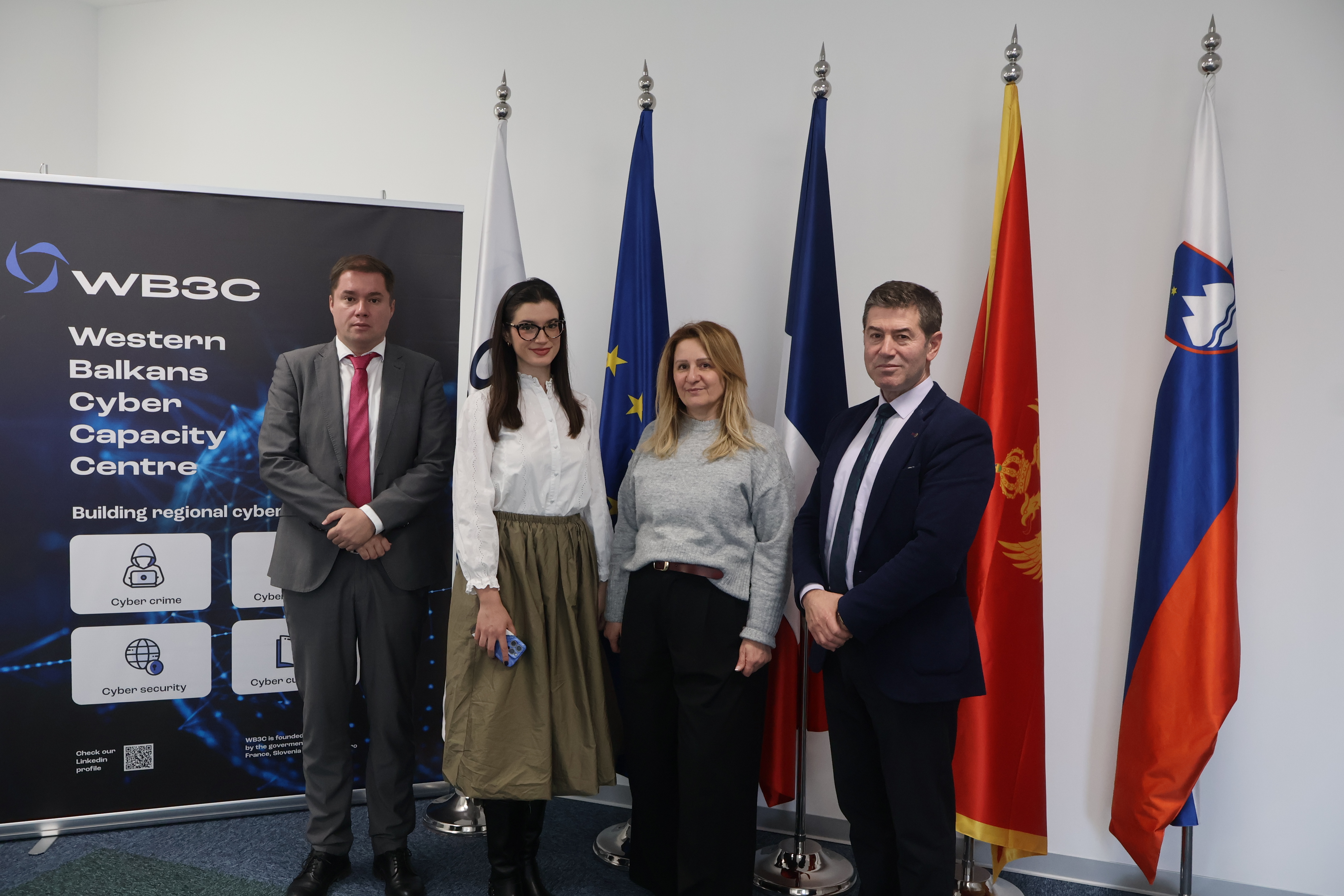
These were the key questions guiding today’s discussion at the WB3C, where we hosted colleagues from the IISG Secretariat — AGRON SOJATI, Ibrahim Begic and Ajsa Buko-Durmić — as part of their mission to Montenegro.
The conversation focused on how to take the existing needs assessment further — towards a more detailed and actionable mapping of institutional needs, closely linked to national strategic priorities and aligned with EU requirements. 
We look forward to continuing our strong cooperation with RCC and IISG in taking these ideas forward and translating them into concrete, coordinated action for the region.


Image for Regional Conference on Foreign Information Manipulation and Interference and Disinformation
Upcoming
Regional Conference on Foreign Information Manipulation and Interference and Disinformation

This regional conference intended for governments, media and civil society brings diverse perspectives on the growing hybrid threats of fake news, disinformation, manipulative and malign narratives that have the power to undermine democratic processes, trust in media and institutions and overal societal resilience and cohesion. Understanding, detecting, preventing, responding, debunking, investigating and prosecuting such manipulations will be the task of our panels, case studies and interactive exercises aimed at supporting governemnts and societies to tackle this challenge. The conference will feature 30 prominent speakers from the EU and the WB region from various departments, sectors and industries. 

CTI for Critical Infrastructure Training Completed

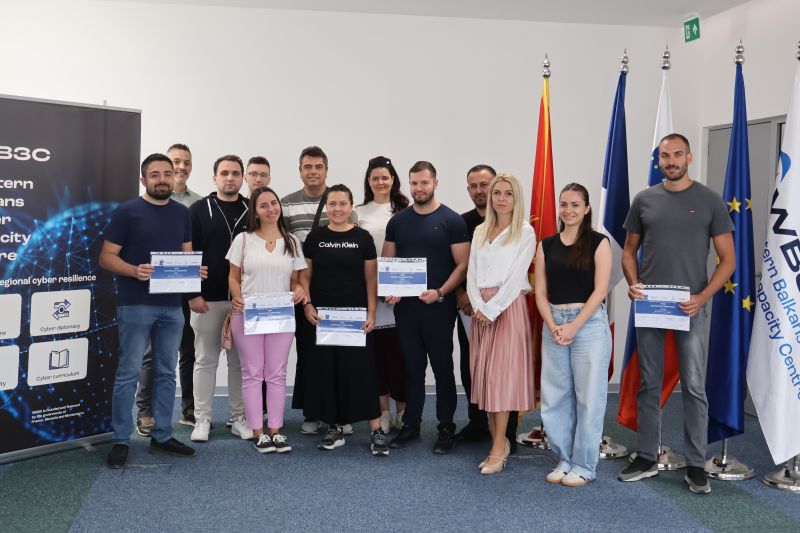
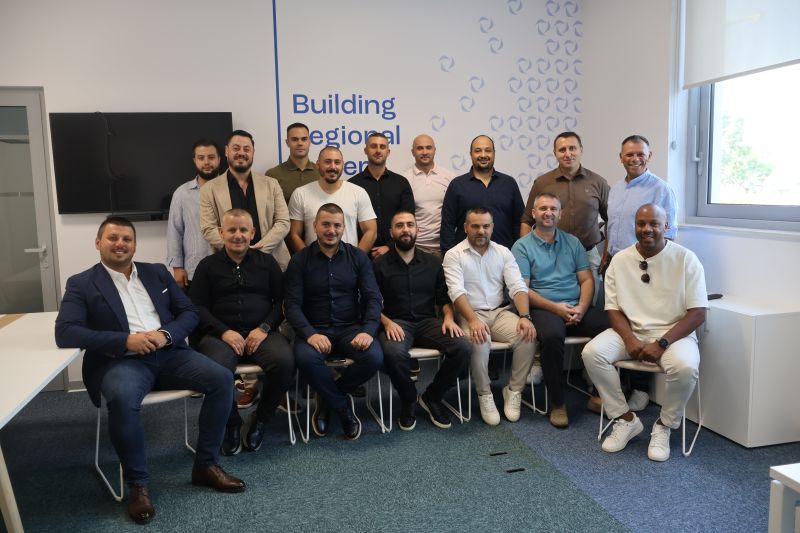
Last week at WB3C, we wrapped up a four-day training on Cyber Threat Intelligence (CTI) focused on the energy sector and government infrastructure, led by Ljuban Petrovic.

Working with SOC, CSIRT and CERT teams from across the region, the training reinforced a simple point: CTI only matters when it informs decisions. When it helps prioritise. When it changes how teams prepare and respond.
The sectoral focus proved its value. Energy infrastructure comes with its own risk landscape, and the discussions reflected that reality—specific, operational, and directly relevant.

We are continuing this work in September, building on what started here.
Because strengthening resilience is not a one-off effort. It is something that develops over time, through practice, exchange, and trust. 

What is Cyber Threat Intelligence (CTI) — and why does it matter?

Simply put, CTI is about turning information into insight, before a threat happens.

Not just collecting data on threats, but understanding who is behind them, how they operate, and what that means for your own systems.
Without that understanding, cybersecurity remains reactive. With it, organisations can anticipate, prioritise and respond with purpose.

Next week at WB3C, we will be running a four-day regional training on Cyber Threat Intelligence (CTI).
The training is designed for SOC, CSIRT and CERT teams, as well as IT professionals working within critical entities—specifically the energy sector. The choice is deliberate.

We are taking a sectoral approach to cybersecurity capacity building. Because threats are not abstract—they target specific systems, infrastructures and vulnerabilities. And the energy sector, as a backbone of economic and societal stability, requires tailored, operationally relevant skills that reflect its real risk landscape.
Over four days, participants will cover:
💡 understanding CTI in the context of critical infrastructure
💡 analysing threats and assessing their impact
💡 translating intelligence into actionable outputs

All week, we will be working closely with cybersecurity professionals from across the region’s energy sector—moving from concepts to application, and building capabilities that can directly support operational decision-making.
This is where CTI becomes operational. Protecting our energy infrastructure means protecting our economy, our security and our livelihood.

Image: Patrick https://lnkd.in/diYnZEgB


Copyright © WB3C

Disclaimer: Translations of the original content written in English into other languages are AI generated by Weglot.