×

Critical Information Infrastructure Protection

18.06.2026

Image for Critical Information Infrastructure Protection

What happens when a cyber incident in one organisation starts affecting everyone else?

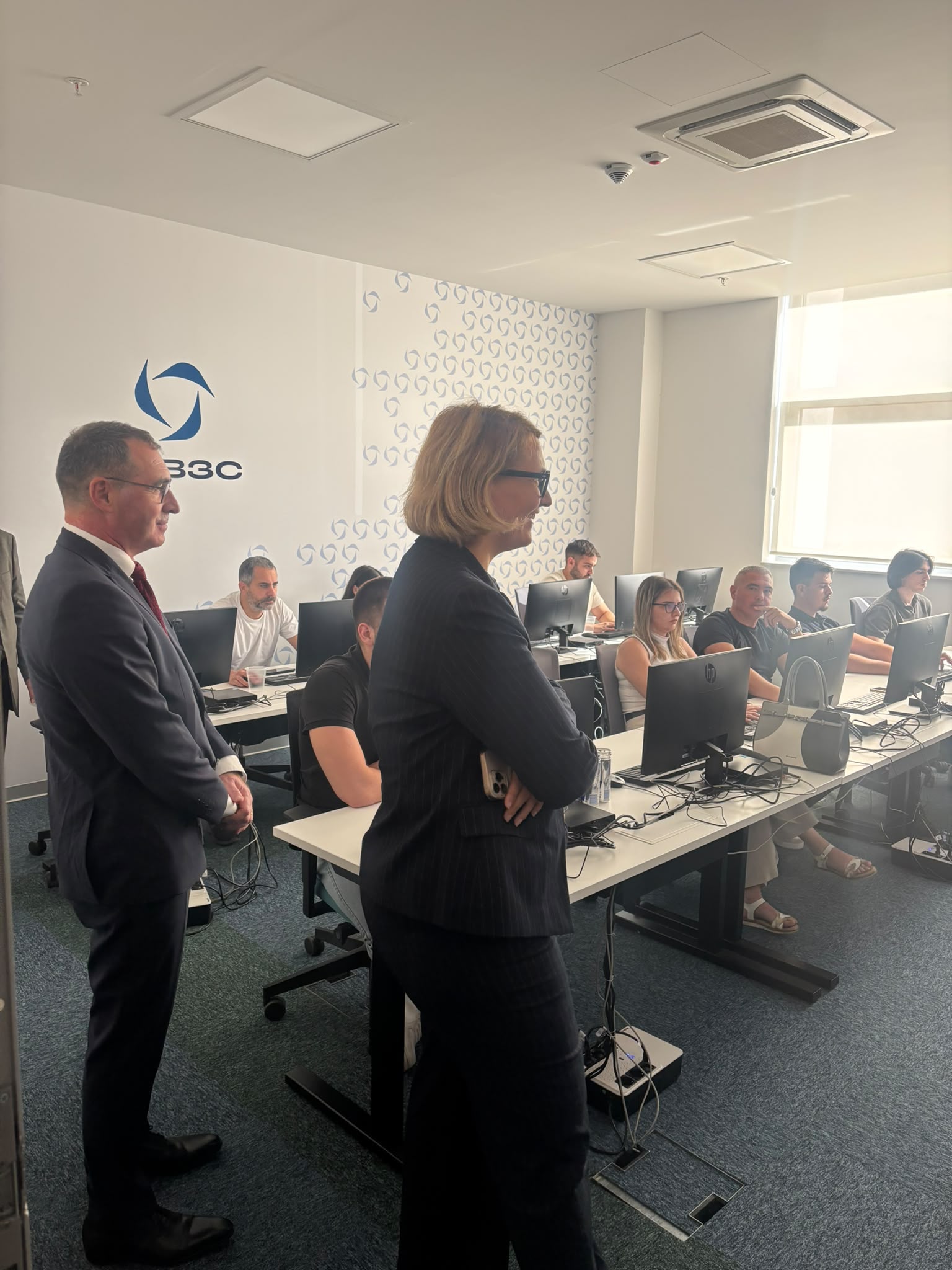
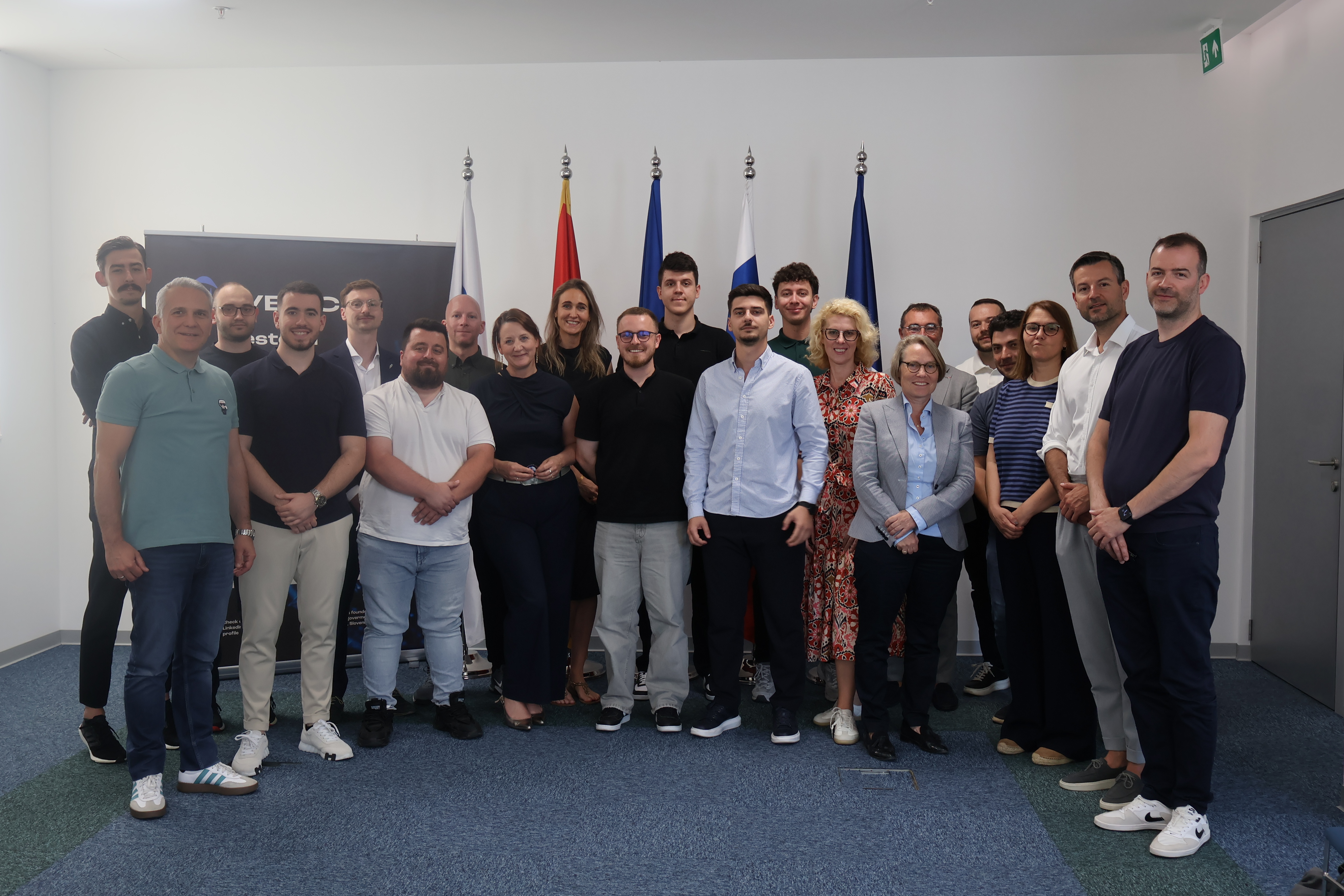
This week at WB3C, professionals responsible for critical infrastructure from across the Western Balkans worked through that question during an intensive training on Critical Information Infrastructure Protection (CIIP). The programme focused not on theory, but on practical decision-making: identifying critical assets, mapping dependencies, assessing risks, developing mitigation measures and managing large-scale cyber crises through simulation exercises.
The training was delivered by experts from the Dutch National Cyber Security Centre (Nationaal Cyber Security Centrum (Nationaal Cyber Security Centrum (NCSC-NL), bringing operational experience from the frontline of protecting critical infrastructure and essential services. Participants worked through real-world scenarios, explored cross-sector dependencies and developed concrete action plans applicable to their own institutions and national contexts.
As digitalisation accelerates, the resilience of critical infrastructure is becoming a shared responsibility that extends far beyond the cybersecurity community. Strengthening cooperation between governments, operators of essential services, regulators and experts is no longer optional—it is a prerequisite for continuity and security.
The Western Balkans Cyber Capacity Centre (WB3C) is proud to have hosted this activity in partnership with the Dutch National Cyber Security Centre.
This training was funded by the Kingdom of the Netherlands.


Image for WB3C and the Centre for Education of Judges and Prosecutors of the Federation of Bosnia and Herzegovina Deliver Cybercrime Training in Sarajevo
Upcoming
WB3C and the Centre for Education of Judges and Prosecutors of the Federation of Bosnia and Herzegovina Deliver Cybercrime Training in Sarajevo

Following last week's cybercrime training for police officers in Banja Luka, the Western Balkans Cyber Capacity Centre (WB3C) continued its outreach programme in Bosnia and Herzegovina this week with a specialised training for prosecutors and judges in Sarajevo, 22-24 June 2026.

Delivered in cooperation with the Centre for Education of Judges and Prosecutors of the Federation of Bosnia and Herzegovina (CEST FBiH), the programme brought together judicial practitioners to strengthen their understanding of cybercrime, digital evidence, open-source intelligence (OSINT), blockchain technologies and cryptocurrencies. Through a combination of expert-led sessions and practical exercises, participants explored the legal, procedural and evidentiary challenges that increasingly accompany cybercrime cases.

The Sarajevo training builds on the police-focused programme delivered in Banja Luka the previous week and forms part of a broader capacity-building effort developed jointly with institutions across Bosnia and Herzegovina. Following extensive consultations with both the Centre for Education of Judges and Prosecutors of the Federation of Bosnia and Herzegovina and the Ministry of Interior training structures in Republika Srpska, WB3C designed a tailored programme reflecting the specific needs and operational realities of the country's criminal justice system.

Cybercrime investigations require effective cooperation between investigators, prosecutors and judges. By supporting capacity development across the entire criminal justice chain, WB3C seeks to contribute to a more coordinated and effective response to cybercrime in Bosnia and Herzegovina.

WB3C Brings Cybercrime Training Directly to Institutions Across Bosnia and Herzegovina

This week in Banja Luka, 15-17 June 2026, in cooperation with the Ministry of the Interior of the Republic of Srpska, our cybercrime trainers Yannick Casse and Cyril Corrias worked directly with police officers, delivering a tailored programme on cybercrime investigations, OSINT, digital evidence, blockchain and cryptocurrencies, developed in response to specific needs identified by the authorities in Bosnia and Herzegovina. The training combined theory, practical exercises and discussions on emerging challenges facing law enforcement in the digital environment.

For WB3C, this marks an important step in bringing capacity building closer to practitioners. While much of our work takes place at the regional level, we are increasingly supporting our beneficiaries where they operate every day — in their own institutions and countries.

The Banja Luka training is part of a broader outreach effort in Bosnia and Herzegovina. Next week, our team will continue in Sarajevo, where a dedicated programme for prosecutors and judges will be delivered in cooperation with the Justice Academy.

This engagement follows extensive consultations with institutions across Bosnia and Herzegovina, including both the Banja Luka and Sarajevo training academies. Together, we designed a programme that reflects their specific operational realities and training priorities.

Bosnia and Herzegovina's complex administrative structure creates unique challenges for cybersecurity governance and the fight against cybercrime. Strengthening cooperation, skills and institutional capacities across different levels of government is therefore particularly important. We were pleased to be able to respond to the needs identified by our partners and contribute to these efforts.

We also welcome Bosnia and Herzegovina's growing engagement in regional cooperation. The country's participation in the recent ministerial delegation to the Paris Cyber Summit demonstrated a clear interest in contributing constructively to regional cybersecurity dialogue and capacity building.

Supporting institutions where they are, responding to their specific needs, and connecting national efforts with regional cooperation remains at the heart of WB3C's mission.

The First Generation of Digital Forensics Specialists Graduates at WB3C with International Diplomas

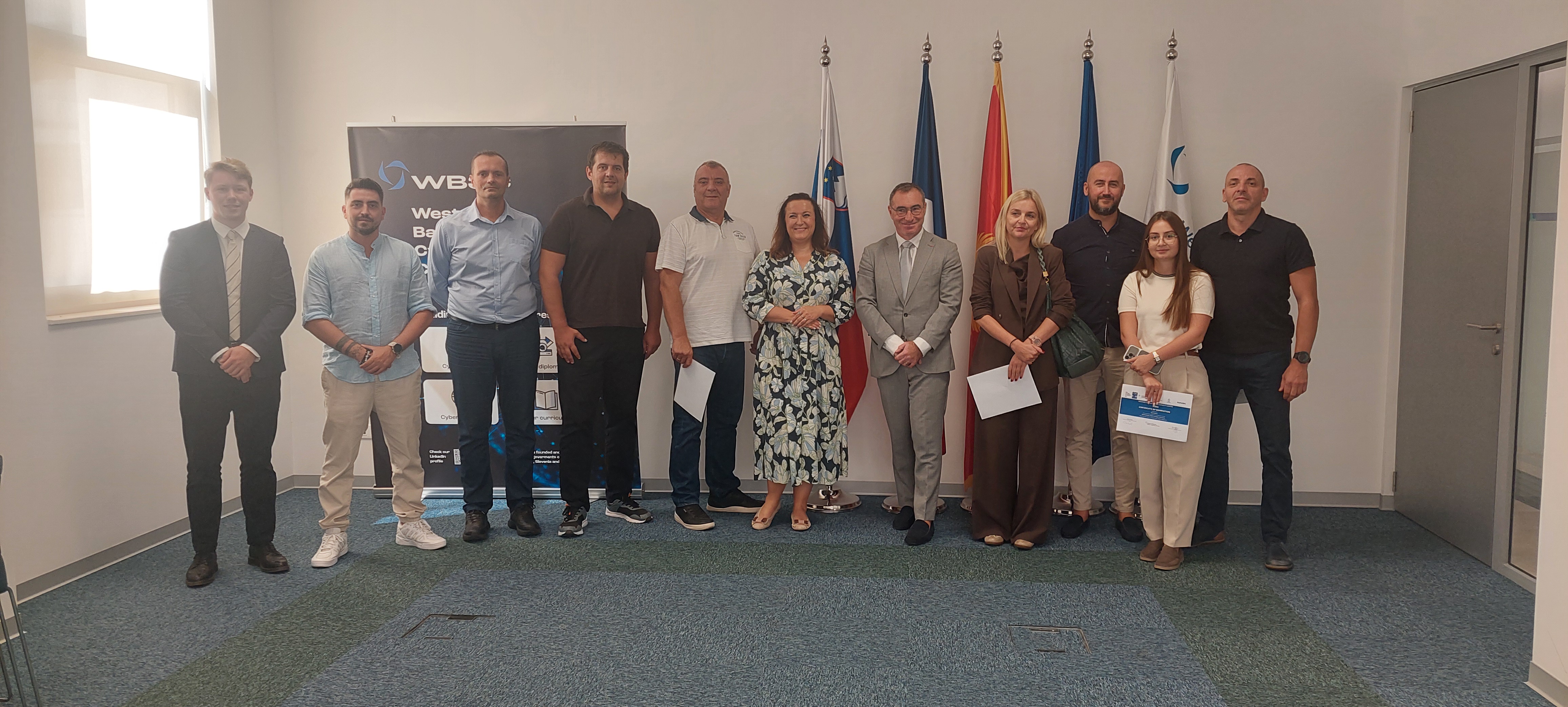
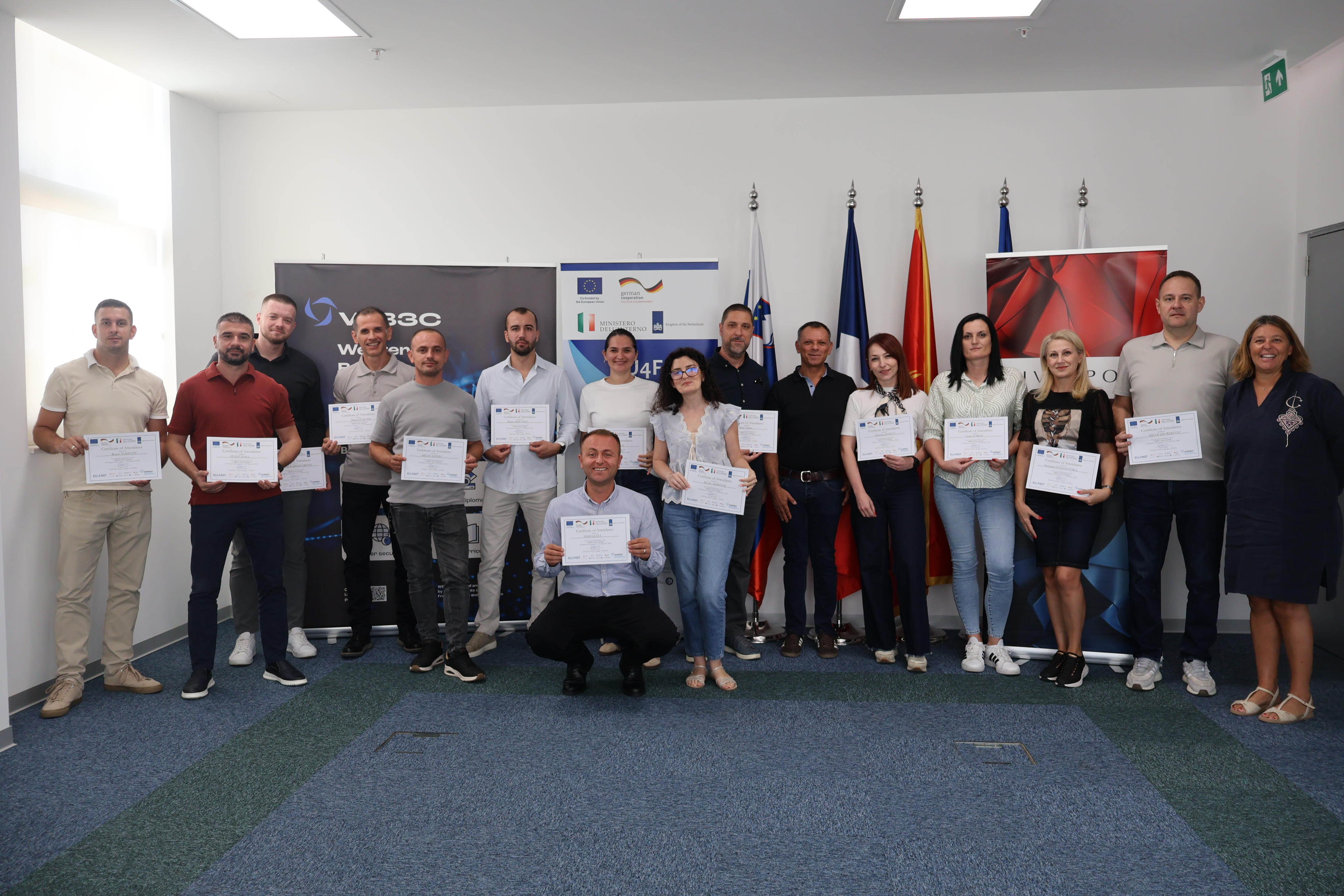
Fourteen police investigators from five countries across the region obtained a university qualification in digital forensics and cybercrime investigations, while their institutions received specialised equipment worth €150,000.

Fourteen police investigators from Albania, Bosnia and Herzegovina, Kosovo*, Montenegro and Serbia have successfully completed the first university-level Digital Forensics programme organised by the Western Balkans Cyber Capacity Centre (WB3C) in partnership with the University of Technology of Troyes (UTT), one of France's leading public higher education institutions in technology, engineering and cybersecurity.

The graduation ceremony marked the completion of an intensive educational programme that ran from February 2025 to May 2026, combining academic instruction, practical training, independent research and thesis development. The programme represents the first university qualification of its kind organised by WB3C and one of the region's most significant initiatives aimed at strengthening law enforcement capacities to combat high-tech crime.


The French Training Model Brought to WB3C Classrooms

A unique feature of the programme is that it is based on the original N'Tech Investigator curriculum developed by the French Gendarmerie for the training of its own high-tech crime investigators.

The curriculum has been used for years within French police and gendarmerie structures and was transferred in its entirety to WB3C classrooms, enabling participants from the Western Balkans to follow the same course content, methodology and practical exercises as investigators in France.

The programme was delivered in cooperation with the University of Technology of Troyes (UTT), which oversees the academic component and is recognised as one of France's leading centres for education and research in digital forensics, cybercrime and technological solutions for law enforcement.  


1,400 Hours of Training and 60 ECTS Credits

Throughout the programme, participants completed approximately 1,400 hours of theoretical and practical instruction, corresponding to 60 ECTS credits, equivalent to one full academic year of study.

The curriculum covered:

  •          Digital forensics and preservation of electronic evidence;
  •          Cybercrime investigations and legal aspects of digital investigations;
  •          OSINT and CyberPatrol methodologies;
  •          Computer networks, programming and data analytics;
  •          Information security;
  •          Cybercrime psychology;
  •          Investigative methodologies;
  •          Analysis of electronic communications and digital traces.

Particular emphasis was placed on practical work involving real investigative scenarios and the use of specialised forensic tools routinely employed by cybercrime units.


Successful Defence of Final Theses

At the conclusion of the programme, all participants sat for a final examination and defended their professional theses before a panel composed of French professors and instructors involved in programme delivery.

All 14 participants successfully defended their theses and obtained the Professional Bachelor License qualification awarded by the University of Technology of Troyes, demonstrating the high level of expertise and commitment they maintained throughout the fifteen-month programme.

The qualification they earned is internationally recognised and certifies specialised knowledge in digital forensics and cybercrime investigations.


€150,000 Donation of Digital Forensics Equipment

To ensure that newly acquired knowledge can be immediately applied in operational work, WB3C donated specialised digital forensic equipment worth €150,000 to the high-tech crime units from which the graduates originate.

The donation includes:

  •          Data extraction licences;
  •          Write-blocker devices used to preserve the integrity of digital evidence;
  •          High-performance computers for forensic analysis;
  •          Equipment for the storage and analysis of digital evidence;
  •          Additional specialised forensic tools and accessories.

This represents the first equipment donation made by WB3C since its establishment.


Bojan Miranović, on Behalf of the Police Administration of Montenegro: Knowledge, Equipment and Cooperation Are Key to Successfully Combating Cybercrime

The ceremony was attended by Bojan Miranović, Head of the Unit for Combatting High-Tech Crime at the Police Administration of Montenegro, whose officers were among the programme participants.

Addressing the graduates, Miranović emphasised that the programme represents a strategic investment in strengthening the capacities of law enforcement agencies across the region to detect, document and prosecute cybercrime.

He stressed that modern threats require highly specialised expertise, continuous professional development and access to advanced tools, noting that the combination of quality training and appropriate equipment enables law enforcement agencies to respond effectively to growing challenges in the digital domain.

He also highlighted the importance of regional cooperation fostered through the programme, underlining that cybercrime does not recognise national borders and that professional networks, mutual trust and direct communication among investigators are essential for successful international investigations.


French Expertise for a Safer Region

The programme was delivered by French professors, experts and practitioners, including Reza El Galai, UTT's leading expert in digital forensics and cybercrime investigations; Marc Terouanne, specialist investigator in new technologies and cybercrime; and Ljuban Petrović, a digital forensics and cybersecurity expert with international experience gained in Germany, including work with Siemens.

By combining the academic excellence of the University of Technology of Troyes with the operational experience of the French Gendarmerie, the programme provided participants with access to the latest methodologies, techniques and tools used by some of Europe's most advanced cybercrime investigation systems.


WB3C Supporting the Region's Cyber Resilience

For WB3C and its partners, the programme demonstrates that long-term investment in education, equipment and international cooperation creates sustainable capacities that contribute to a safer digital environment and a stronger institutional response to cyber threats.

The programme is of particular importance to the Western Balkans in the context of the region's European integration aspirations, as it contributes to strengthening law enforcement capacities and raising cyber resilience levels necessary for alignment with European security standards, combating cybercrime, and fulfilling obligations under Chapter 24, while supporting the region's integration into the broader European security and cyber ecosystem.


Key Facts

  •          Programme: Digital Forensics for Police Investigators
  •          Organisers: WB3C and the University of Technology of Troyes (UTT), France
  •          Duration: February 2025 – May 2026
  •          Training Volume: Approximately 1,400 hours
  •          Academic Value: 60 ECTS credits
  •          Number of Graduates: 14
  •          Participating Countries: Albania, Bosnia and Herzegovina, Kosovo*, Montenegro and Serbia
  •          Value of Equipment Donation: €150,000
  •          Significance: The first university-level Digital Forensics programme organised by WB3C and the first equipment donation made by the Centre.


* This designation is without prejudice to positions on status and is in line with UNSCR 1244 and the ICJ Opinion on the Kosovo Declaration of Independence.


Copyright © WB3C

Disclaimer: Translations of the original content written in English into other languages are AI generated by Weglot.