×

Visit by EU Member State Representatives

25.09.2026

Image for Visit by EU Member State Representatives

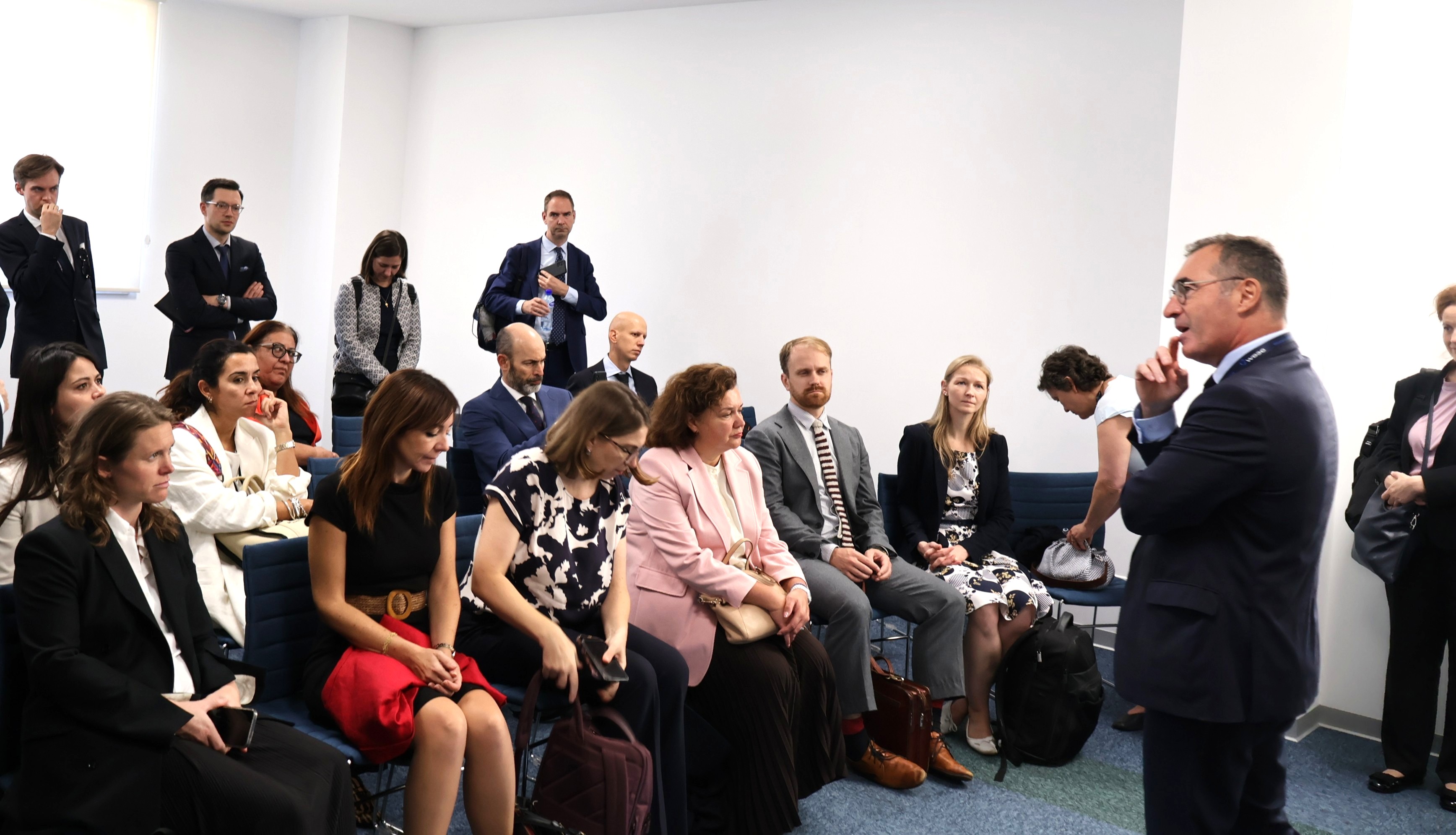
Yesterday, we had the pleasure of meeting a delegation of EU Member State representatives visiting Montenegro in the context of its EU accession process.
The visit, organised by the Embassy of Ireland and led by Kevin Colgan, Ambassador to Serbia and Montenegro, provided an opportunity for the delegation to learn more about the Western Balkans Cyber Capacity Centre, its regional mandate and the role it plays in strengthening cybersecurity capacities across the Western Balkans, presented by Gilles Schwoerer, our Director of Studies.
The discussion focused on how WB3C works with institutions and partners across the region, the Centre’s main areas of activity and the importance of sustained regional cooperation as the Western Balkans move closer to the European Union.
The meeting was intentionally informal and open, allowing for a useful exchange on the region’s cybersecurity needs, capacity-building priorities and the contribution that initiatives such as WB3C can make to wider resilience and EU integration.
Our thanks to the Embassy of Ireland for initiating the visit and to the members of the delegation for their interest, questions and thoughtful discussion.


Business Continuity Management for Critical Infrastructure

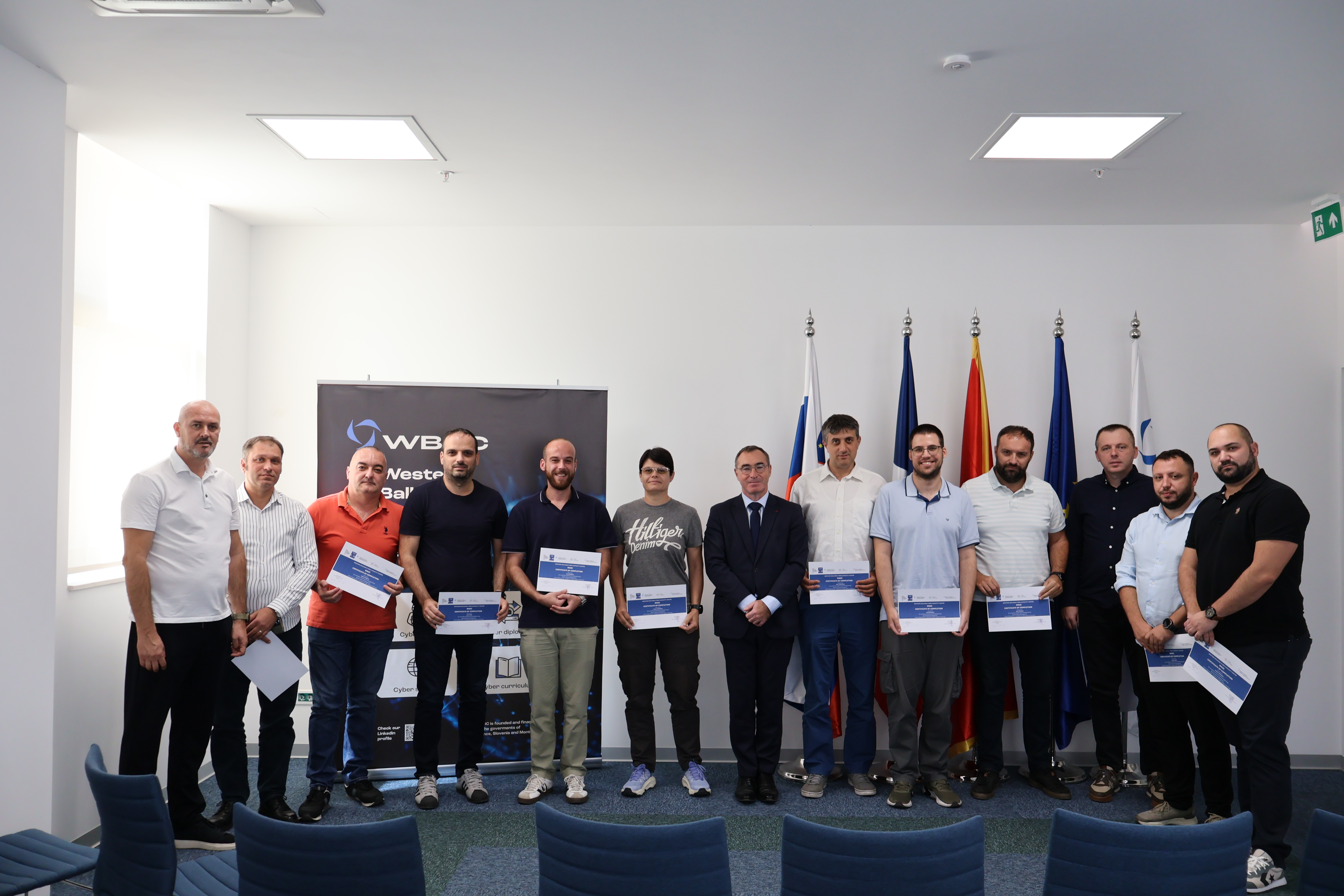
When a cyber incident disrupts operations, the real test is not only how quickly it can be contained — but whether essential services can continue.

That was the focus of this week’s three-day Business Continuity Management (BCM) for Critical Entities training in WB3C. 

Led by Mladen Bukilic, SOC Manager and CISO at Čikom, the programme took participants through the practical building blocks of business continuity: ISO 22301 principles, Business Impact Analysis, cyber risk assessment, continuity strategies, crisis management, incident response, and the development and testing of Business Continuity Plans. 
A strong emphasis was placed on identifying critical functions and dependencies, understanding the operational impact of disruption, and translating risk assessments into realistic continuity and recovery arrangements. The training also explored how BCM connects with cyber incident response and crisis management — an increasingly important issue for entities providing essential services. 
Participants came from sectors including energy, water, healthcare, transport, telecommunications, finance, public administration and digital infrastructure, which made the exchange of practical experience particularly valuable. 
Many thanks to the trainer and the participants for an engaging three days.
Connecting the next generation of cyber professionals in the Western Balkans

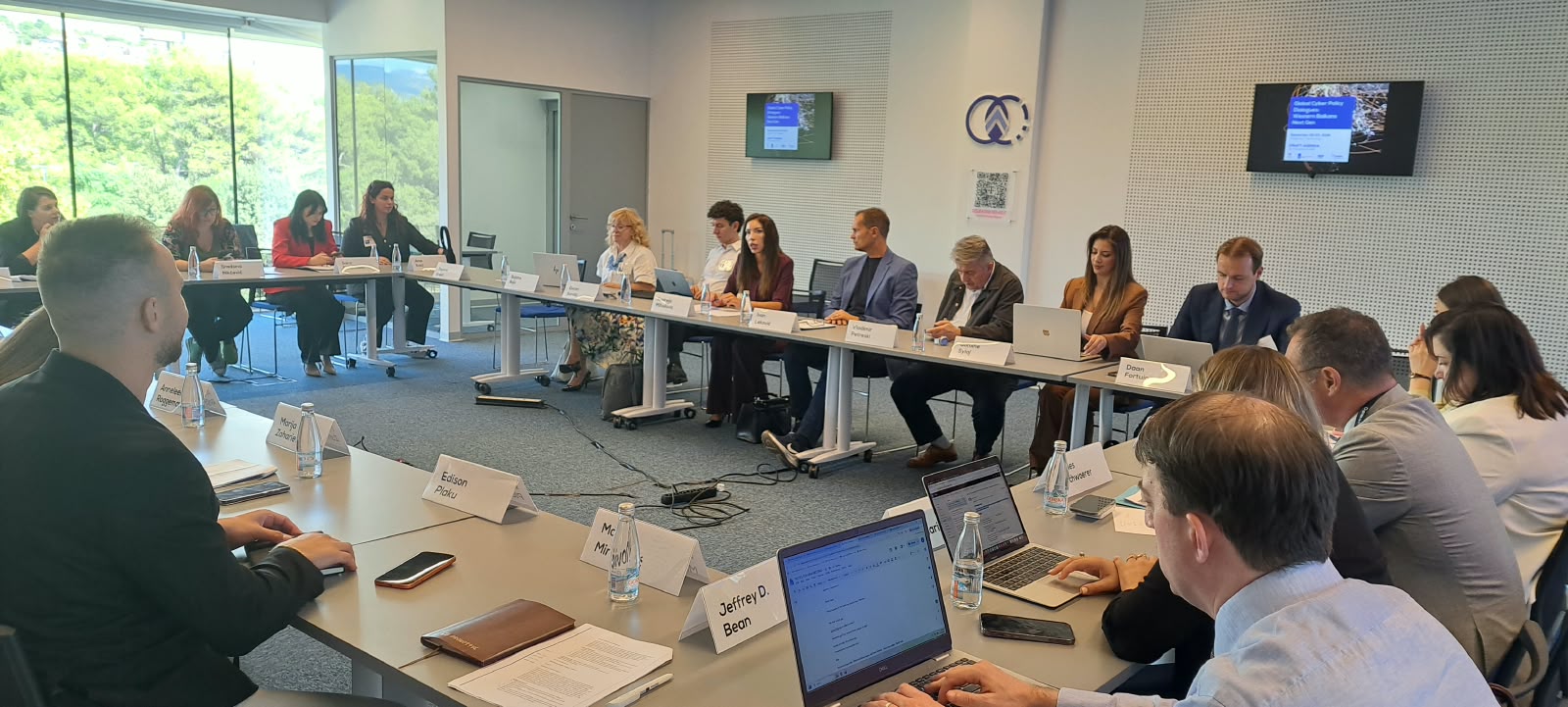
Over the past two days, WB3C hosted the Global Cyber Policy Dialogue: Western Balkans Next Gen, gathering young professionals and experienced experts from across the region to exchange perspectives on some of the issues shaping the region’s cyber future. 
Discussions ranged from AI and cybersecurity and AI governance, to the evolving UN cyber processes, regional cooperation on incident response and confidence-building measures, societal cyber resilience and disinformation. The programme also looked closely at a challenge shared across the region: how to develop, attract and retain the cyber talent needed by governments, businesses and other institutions, and how to convert talent into operational capability. 
What stood out throughout the dialogue was the strong interest of participants in connecting people and institutions across the region, sharing experience and finding practical opportunities for joint action. This is precisely the kind of regional professional network that can make cooperation more effective long after an event has ended.

The dialogue was organised by Observer Research Foundation, the Ministry of Foreign Affairs of the Netherlands and the Western Balkans Cyber Capacity Centre (WB3C), with the support of the Ministry of Foreign Affairs of Montenegro.
A particular thank you to Anneleen Roggeman, Bruce McConnell, Katherine Salinas and Jeffrey Bean from ORF America for another excellent collaboration, and to jantine van Bakel for the close partnership with the Netherlands. From WB3C, many thanks to Maja Miranovic and Gilles Schwoerer for their contribution to making these two days happen.

And thank you to all our speakers and participants for the openness and energy they brought to the discussions, including Vladimir Petreski, Project Manager and Editor-in-Chief of Vistinomer.mk at the Metamorphosis Foundation, who contributed to the exchange on disinformation and the role of civil society in strengthening information resilience and Andreja Mihailovic, PhD for leading the discussion on talent gap. 
We look forward to continuing these conversations — and, above all, turning the connections made in Podgorica into stronger regional cooperation.

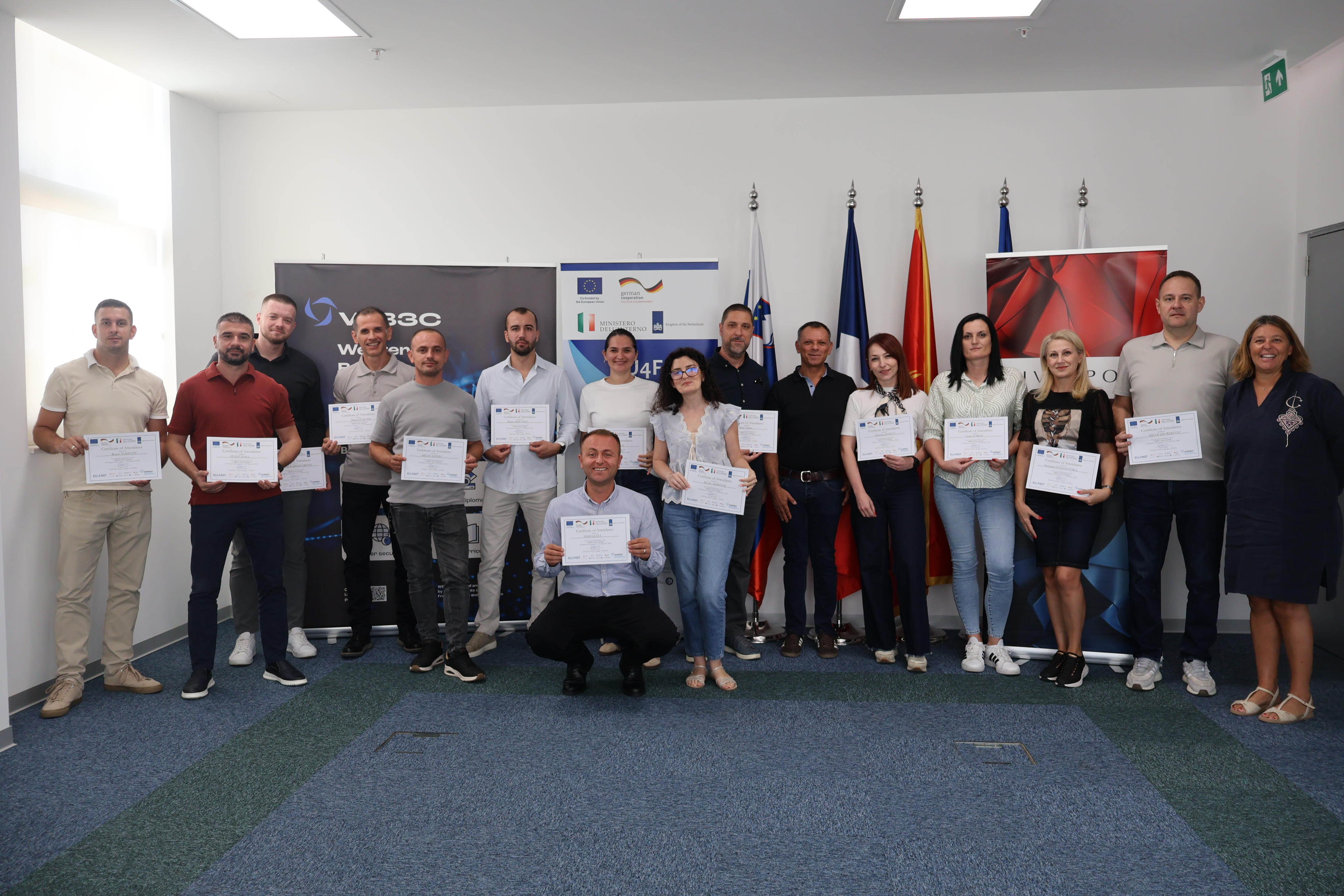
Four days of OSINT and Dark Web training for Western Balkan law enforcement

This week at WB3C, police officers and prosecutors from the Western Balkans worked through a four-day practical programme on Open-Source Intelligence (OSINT) and Dark Web investigations, delivered in cooperation with CIVIPOL and EU4FAST.
Led by WB3C training team Cyril CORRIAS and Jean-Pierre Bonnet, the course focused on the practical skills needed to collect and analyse publicly available information in support of Internet investigations — from identifying potential threats and gathering digital evidence to producing actionable intelligence. 

The programme moved progressively through the fundamentals of Internet investigations and evidence preservation, protection and anonymisation techniques, social network investigations, online checks and surveys, and safe navigation of the Dark Web, combining each area with practical exercises. Participants also worked on approaches to data collection and the legal and ethical considerations linked to the use of digital information. 

The training brought together law-enforcement practitioners from the WB6 who were attending a WB3C programme for the first time, expanding the network of professionals in the region equipped to work with open-source information in increasingly complex digital investigations. 

Our thanks to our partners CIVIPOL and EU4FAST, and especially Marie Pierre MOSIN for supporint this programme, and to all participants for four intensive and highly practical days in Podgorica.


Copyright © WB3C

Disclaimer: Translations of the original content written in English into other languages are AI generated by Weglot.