×

Digital skills for cadets of the Montenegro Police Academy

23.06.2025

Image for Digital skills for cadets of the Montenegro Police Academy

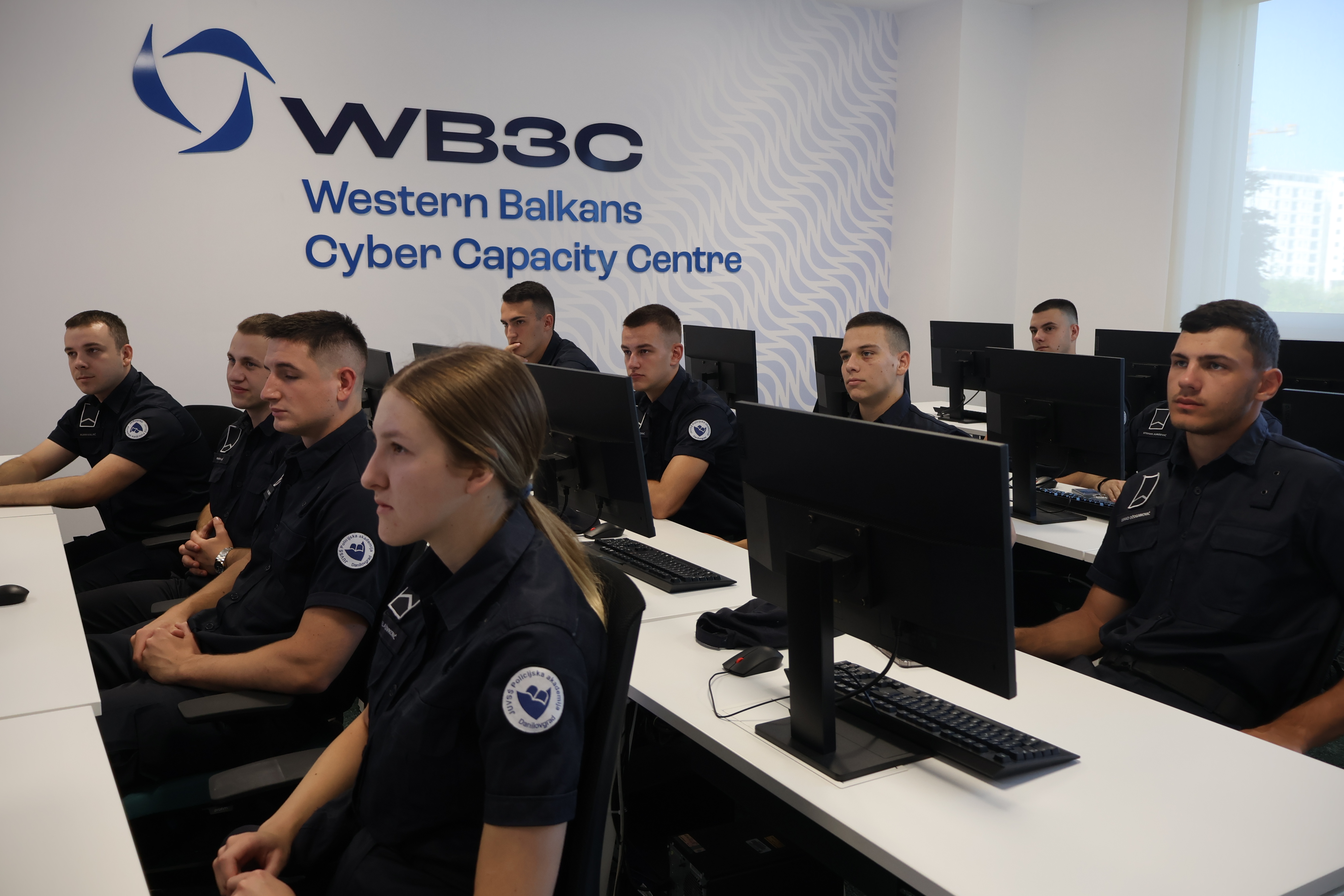
This week, WB3C is delivering a tailored training on Open-Source Intelligence (OSINT) for the second group of 10 cadets from the Police Academy in Danilovgrad, Montenegro. The training follows a recent WB3C visit to the Academy to better understand its curriculum and infrastructure needs.

With limited coverage of digital investigation methods in the Academy’s existing curriculum, WB3C has launched a series of hands-on sessions to build critical skills in cyber-enabled policing. A third group is already scheduled for training in December.

The training was opened by Academy Director Nenad Vojinovic and Head of WB3C Gilles Schwoerer, who explained the importance of digital skills in criminal investigation today and encouraged the cadets to embrace the digital dimension of modern law enforcement.

The course is highly practical and interactive and provides the cadets with techniques to find, extract and preserve open-source evidence in lawful ways. The training is led by WB3C in-house trainers Yannick Casse of the French Gendarmerie and Cyril C. of the French National Police who have substantial experience in the field. 

WB3C is very pleased to be able to develop this relationship with the Montenegro Police Academy and contribute to the development of national capacities in tackling cyber crime.


Combatting Disinformation and FIMI

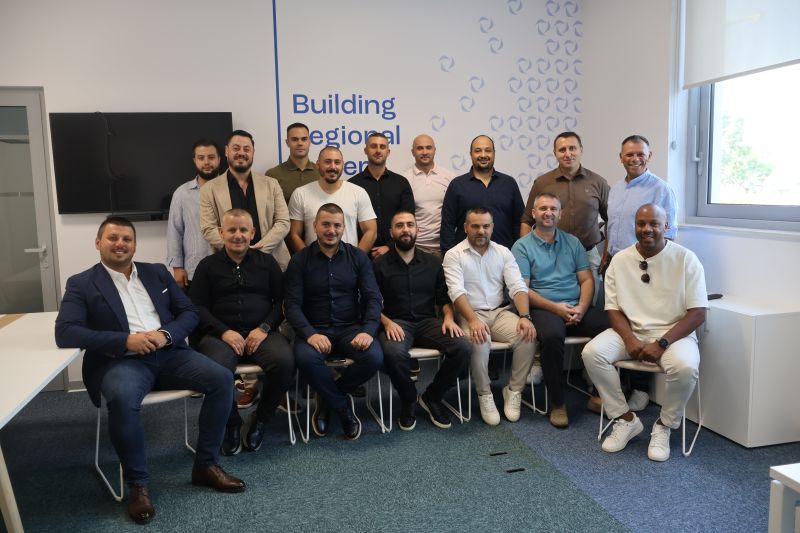
A very productive meeting this morning with the Atlantic Council of Montenegro, led by Mr. Savo Kentera, President and CEO, together with his team Azra Karastanović and Draško Jabučanin. The Western Balkans Cyber Capacity Centre (WB3C) was represented by its Head Gilles Schwoerer and the team: Vanja Madzgalj MBE, Cyril C. and Yannick Casse. 

Building on our previous engagements, including the national Round Table on Critical Infrastructure and the 2BS Forum, WB3C is further strengthening this collaboration to address pressing regional challenges.

Our discussions highlighted significant common interests in two crucial areas: critical infrastructure resilience and countering disinformation and foreign information manipulation and interference (FIMI).

This prospective partnership reflects a shared commitment to strengthening regional security and societal resilience against interference and information manipulation. We look forward to developing concrete actions and contributing meaningfully to these important efforts.

Developing Future Cyber Talent Through Early Interventions in Schools

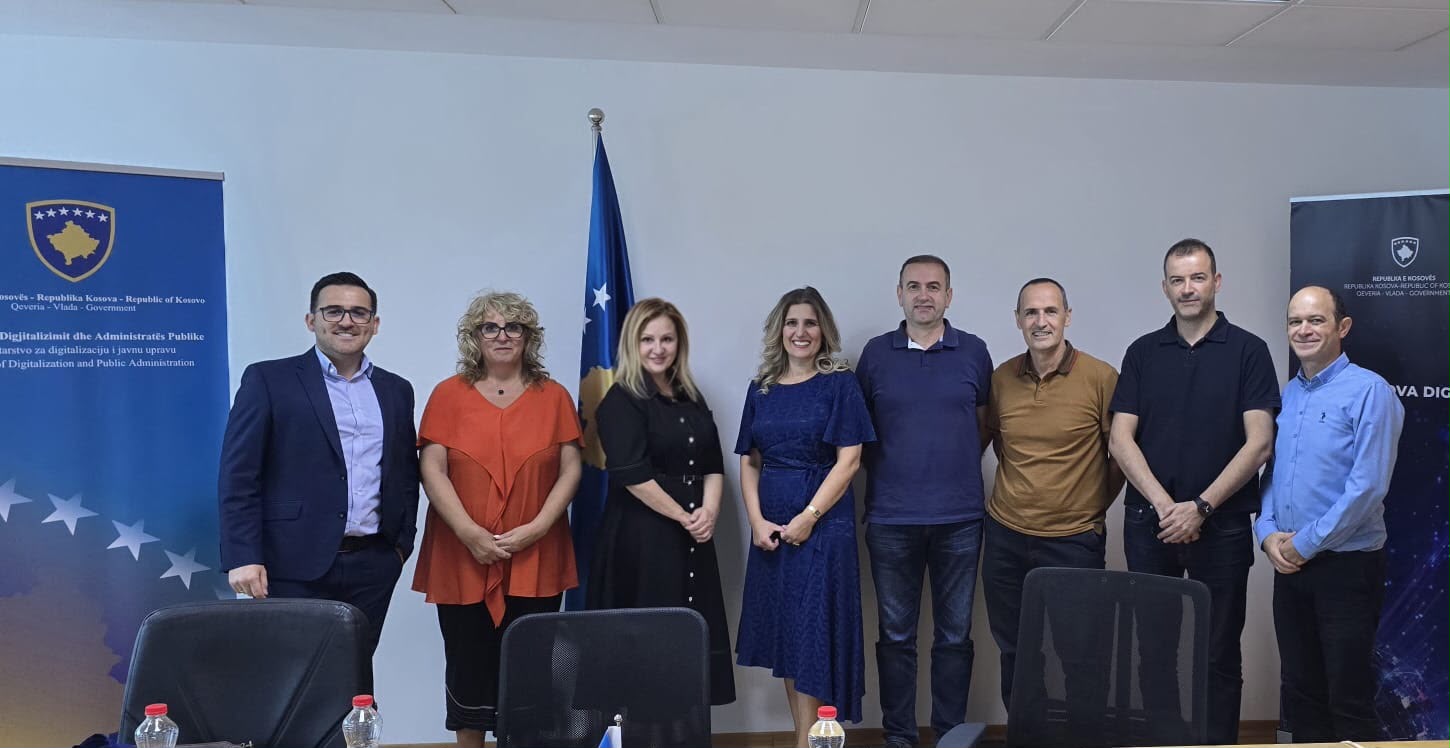
WB3C paid a visit to the Ministry of Education, Science and Innovation this week. We met with the State Secretary Calasan Tatjana to introduce WB3C’s work and share an overview of our plans for 2026, with a focus on education, young people and cooperation with universities. We talked about practical ways to support foundational awareness and cyber skills in schools and development of academic learning pathways such as micro-credentials and new degree programmes in cybersecurity and digital forensics in universities. 

The meeting was also a chance to update the Ministry on how WB3C is developing as an international organization and how our role in Montenegro and the region is growing, as well as to explore how we could work more closely in the future.
We appreciated the open and constructive exchange, and the shared understanding that investing early in digital skills and cyber awareness really matters.
Looking forward to continuing the conversation and building on this momentum.
 

Cyber Hygiene Training for Ministry of European Affairs of Montenegro

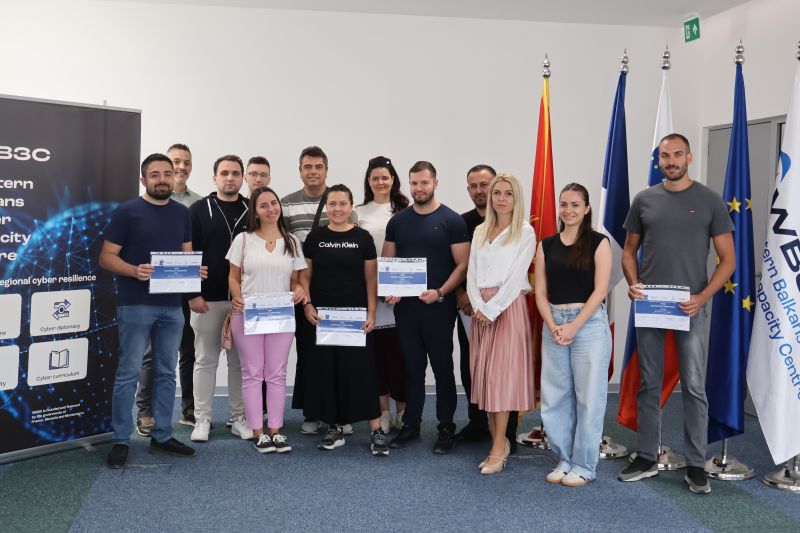
Today we start a short CyberHygiene training for colleagues at Montenegro’s Ministry of European Affairs. The training is led by WB3C-s in-house trainers Cyril C. and Yannick Casse.
Over the two days, we will work through the threats civil servants face most often — phishing, malware/ransomware and social engineering — and the practical habits that reduce risk without needing to advance technical skills such as: safer daily practices, data confidentiality and clear incident response basics.
A reminder worth repeating: cyber hygiene is organizational hygiene. Firewalls and policies help, but day-to-day resilience is built in small decisions made across the institution. Every civil servant counts.
A simple checklist that pays off:
⚠️ Pause before you click (especially “urgent” emails)
⚠️ Use strong passwords/passphrases + multi-factor authentication where available
⚠️ Keep devices and apps updated
⚠️ Report suspicious activity early—speed matters

Director Gilles Schwoerer greeted the participants by emphasizing that cybersecurity culture doesn’t start in the IT department, but it starts in each inbox. We are very pleased to welcome the behind-the-scenes force driving Montenegro's successful advancement towards the EU accession and to share that WB3C is expecting its first multi-year EU grant in March this year, aimed at supporting the region in meeting the requirements from the cyber agenda and strengthening its overall resilience, especially its critical infrastructure. We look forward to joining forces with ministries around the region in 2026 - a year expected to bring a dynamic plan of activities.


Copyright © WB3C

Disclaimer: Translations of the original content written in English into other languages are AI generated by Weglot.