×

RCC CyberPulse 2025: Regional Stakeholder Join Forces in Cybersecurity

02.07.2025

Image for RCC CyberPulse 2025: Regional Stakeholder Join Forces in Cybersecurity

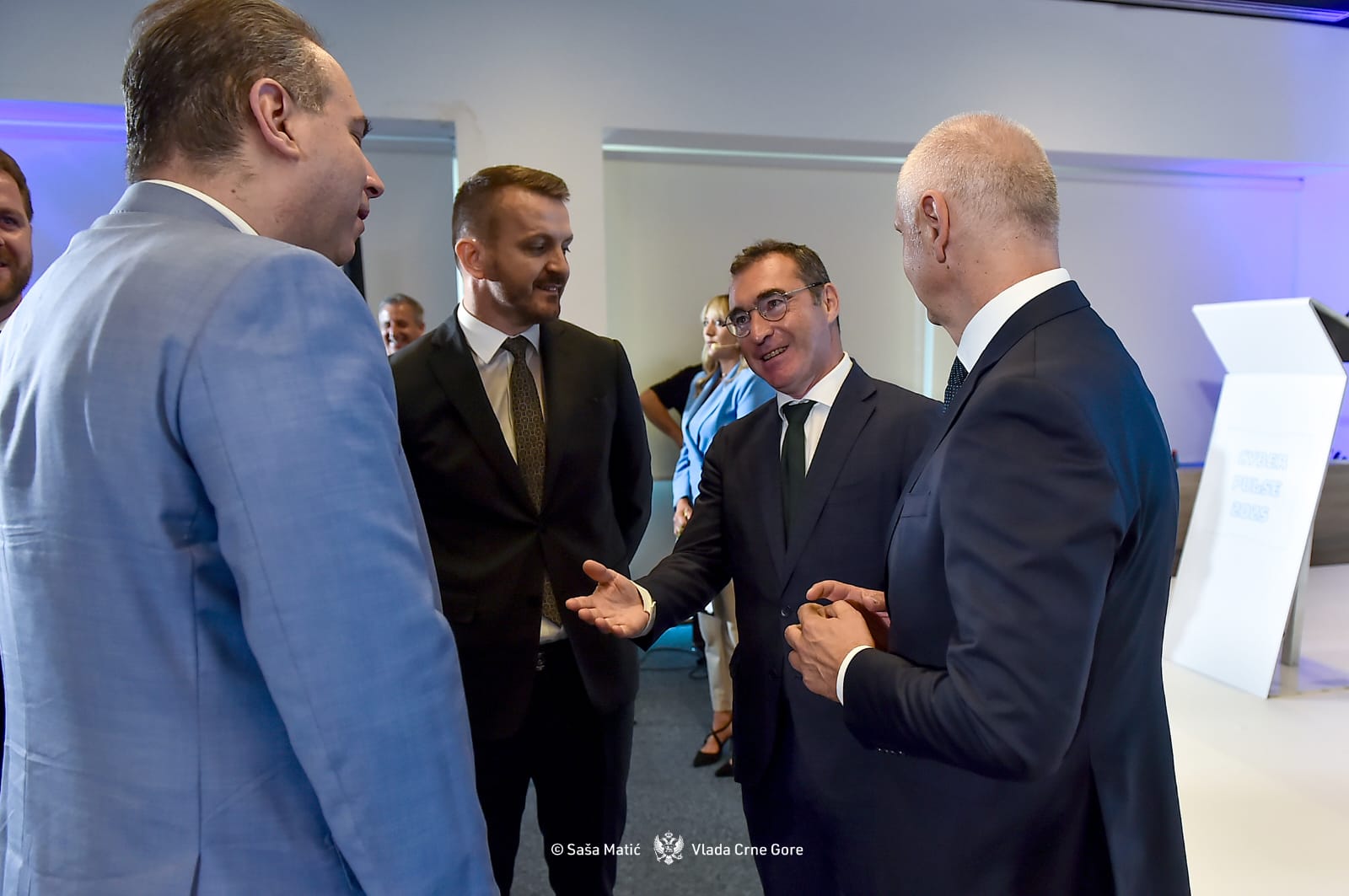
The High-Level Western Balkans Cybersecurity Conference – CyberPulse 2025: Tracking Progress, Building Resilience, Driving Change – gathered government representatives, EU institutions, regional organizations, cybersecurity experts and private sector leaders to address the growing cyber threat landscape in the Western Balkans.

CyberPulse 2025 focused on three priorities:

  • addressing current gaps in regional cyber capacities,
  • exploring the role of emerging technologies, and
  • operationalising joint initiatives and partnerships.

Opening Remarks

The conference opened with high-level messages of commitment to regional cyber resilience:

  • Amer Kapetanović, Secretary General of the RCC, highlighted the sharp rise in cyber incidents and stressed that trust, political will and coordinated regional action are the strongest “firewall” against threats. He also announced the development of the new regional cybersecurity needs database.
  • Filip Ivanović, Deputy Prime Minister of Montenegro for Foreign and European Affairs, emphasized Montenegro’s adoption of European cybersecurity standards and its vision of a secure, resilient digital future as part of EU integration.
  • Michael Docherty, speaking on behalf of the European Commission Delegation, reaffirmed EU support for the region through initiatives with ENISA and the Council of Europe, underlining that cybersecurity is now a central element of the EU Growth Plan for the Western Balkans.
  • Gilles Schwoerer, Head of WB3C, noted that while digital transformation offers many opportunities, it also expands the attack surface, underscoring the urgent need for secure digital pathways and collective resilience.

Conference Panels

  • High-Level Panel: Stronger Connectivity, Smarter Security, Resilient Future (moderated by Danijela Gačević, Head of the Programme Department, RCC)
    Senior government representatives from the region exchanged views on national priorities, institutional capacities, and EU integration in the field of cybersecurity.
    • Governments stressed the shortage of cybersecurity professionals as a critical challenge.
    • Kosovo*’s representative emphasized dependence on external consultants and the need to train public servants internally.
    • Montenegro focused on intersectoral cooperation and the role of NATO and EU support.
    • North Macedonia presented its new Ministry for Digital Transformation and its national cybersecurity strategy.

      Panelists:

    • Bardhyl Dobra – Deputy Minister of Internal Affairs, Pristina
    • Naim Gjokaj – State Secretary, Ministry of Public Administration, Podgorica
    • Radoslav Nastasijevikj Vardjiski – Deputy Minister for Digital Transformation, Skopje


  • Navigating Cyber Threats in the Western Balkans: The Evolving Role of AI and Emerging Technologies (moderated by Mirza Jamaković, Prosecutor's Office Sarajevo)
    Experts from Europol, law enforcement, and the private sector discussed the opportunities and risks of AI, from forensic tools to the misuse of generative AI by organized crime groups.
    • Europol described using machine learning to analyze millions of data points in criminal investigations.
    • Concerns raised about organized crime groups developing their own AI tools, including large language models, for cybercrime.
    • Calls for explainable and transparent AI outcomes in cybersecurity decision-making.
    • Oracle warned against uploading confidential data into public AI tools, stressing regulatory gaps.

      Panelists:

    • Emmanuel Kessler – Europol
    • Jelena Zelenović Matone – WomenCyberForce / Women4Cyber
    • Nenad Bogunović – Cybercrime Unit, Belgrade
    • Amar Dedović – Oracle


  • Empowering Talent: Skill-Building for the Future in the Western Balkans (moderated by Andreja Mihailović, Women4Cyber Montenegro)
    The session focused on education, workforce shortages, women’s participation in cybersecurity, and ways to redirect youth talent from informal digital activities to formal opportunities.
    • Highlighted that women’s participation in cybersecurity remains below 20% in the Western Balkans.
    • Croatia shared progress from 30% to 52% female participation in the UN Cybersecurity Working Group between 2019 and 2024.
    • Albania’s Cybersecurity Agency argued for education reform starting at primary school.
    • Open Society Foundation raised concerns about youth involvement in grey/illegal digital activities, calling for redirection into formal sectors.

      Panelists:

    • Tamara Tafra – Deputy Minister of Foreign and European Affairs, Zagreb
    • Igli Tafa – Director, National Cybersecurity Agency, Tirana
    • Andi Dobrushi – Open Society Foundation
    • Fabio di Franco – ENISA


  • Integrating Experience and Strategy: A Multisector Dialogue on SOC Advancement (moderated by Vanja Madžgalj, WB3C)
    Panelists shared good practices for building and operating Security Operations Centres, stressing the importance of policy alignment, inter-sectoral cooperation and trust-building between public and private actors.
  • Albania’s national experience showed that the 2022 cyberattack became a catalyst for building SOC capacity and adopting “zero trust” and defense-in-depth strategies.
  • Differences between public and private sector approaches to threat intelligence were emphasized, with trust and data-sharing seen as barriers for public institutions.
  • North Macedonia introduced a new law placing the Ministry for Digital Transformation as the central cybersecurity authority.

    Panelists:

    • Franc Zyliftari – Head of Incident Response Team, Tirana
    • Philippe Gillet – Gatewatcher, Paris
    • Aleksandar Acev – Cyber Balkans, Skopje


  • Sectors United Against Cyber Threats: Building Bridges Across Sectors (Milan Sekuloski, e-Governance Academy, Tallinn)
    This discussion brought together public institutions, civil society, academia, and the private sector, highlighting how multi-stakeholder collaboration is essential to strengthening regional resilience.
    • Pristina shared good practices in bringing all relevant actors together regularly on critical infrastructure protection.
    • Civil society organizations were recognized as important but vulnerable actors requiring targeted cyber hygiene tools and support.
    • SMEs were highlighted as particularly exposed, requiring systemic support from the public sector.
    • The EBRD linked its investment strategy to cybersecurity, showing that infrastructure projects cannot be sustainable without integrated cyber risk management.

      Panelists:

    • Lulezon Jagxhiu – Prime Minister’s Cabinet, Pristina
    • Predrag Puharić – Cybersecurity Centre of Excellence, Sarajevo
    • Ivona Dabetić – NGO Secure, Podgorica
    • Roy Yarom – European Bank for Reconstruction and Development (EBRD)

The conference concluded that cybersecurity in the Western Balkans can no longer be treated as a purely technical issue but must be recognized as a strategic priority, requiring long-term cooperation, sustained investment and coordinated regional action.


Tracing, Seizing and Recovering Trafficking in Persons Proceeds in the Era of Digital Finance and Crypto-Assets in South Eastern Europe

This week's meeting brought together prosecutors, judges, law enforcement investigators, financial intelligence specialists and policy experts from across South-Eastern Europe and the EU, alongside representatives of international organizations, civil society and the private sector. Participants included experts from institutions such as EUROPOL, INTERPOL, UNODC, national ministries of interior and justice, specialized prosecution offices, financial investigation units, cryptocurrency analytics companies and anti-trafficking organizations.
The event was implemented by UNODC, in collaboration with the Ministry of Interior of Montenegro and the Ministry for Europe and Foreign Affairs of France.
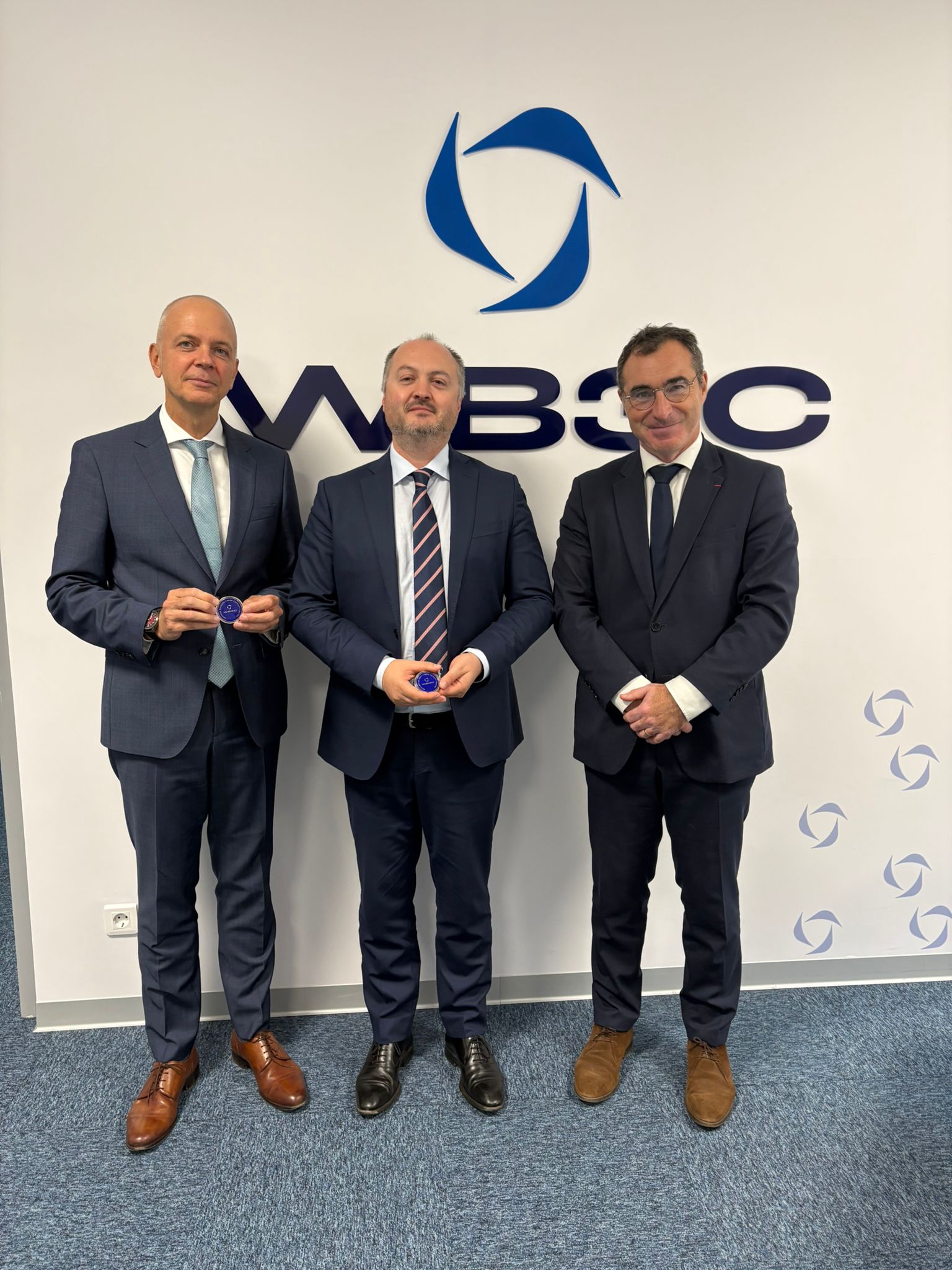
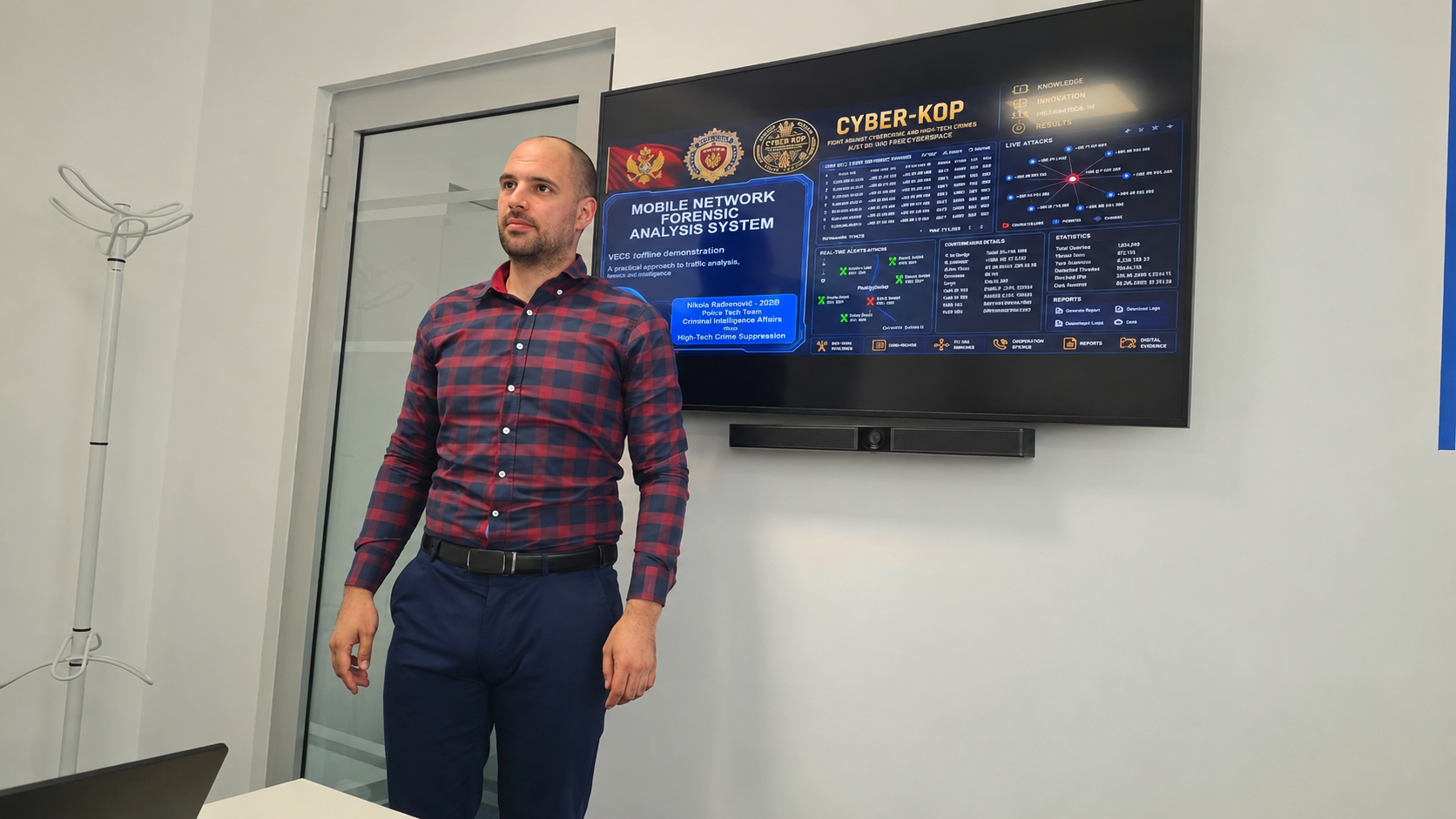
On Day 2, participants visited the Western Balkans Cyber Capacity Centre (WB3C), where our team presented its mandate and activities supporting regional cybercrime investigations. Director Gilles Schwoerer presented the overall operations of the Centre while our in-house expert for cybercrime, Cyril C., introduced WB3C’s crypto-assets training programme, highlighting how investigators in the region are being equipped with practical skills for blockchain analysis, cryptocurrency tracing and digital evidence handling in financial investigations.
Discussions throughout the meeting emphasized the growing importance of digital forensics, blockchain analysis and cross-border cooperation in identifying and recovering criminal proceeds linked to trafficking in persons.
Events like this demonstrate how cooperation between international organizations, governments, investigative bodies and technical experts is becoming essential to address increasingly complex financial crimes in the digital era. The group visited the WB3C training facilities and part of the Science and Technology Park as one of the driving platforms for innovation in Montenegro.

Regulatory Framework for the Protection of Children Online

Today, WB3C participated in a multisectoral roundtable on the “Protection of Children in the Digital Environment – A New Draft Law”, hosted by the Ulysseus European University – Innovation Hub for Cybersecurity at the University of Montenegro, led by Andreja Mihailovic, PhD in academic cooperation with the University of Genoa.
The discussion, opened by Prof. Dr. Savo Tomović and MP Slađana Kaludjerović, addressed the proposed Law on the Protection of Minors in the Digital Environment from multiple professional angles.

Our Senior Project Manager Vanja Madzgalj MBE noted that clearly this is an exceptionally complex regulatory space. 
On one hand, states face structural barriers: limited jurisdiction over very large digital platforms operating across borders, difficulties in enforcing obligations against global service providers and the technical opacity of algorithmic systems. On the other hand, children are digital natives with legitimate rights to access, participate in, and benefit from the digital world. Protection cannot mean exclusion.

⚡ At the same time, the data are stark.
We see increasing numbers of minors falling victim to digital crimes, including online sexual exploitation and abuse. We also see minors committing digital offences, often without understanding the legal consequences. Internet addiction is emerging at an early age, with long-term psychological and social impacts. Uncontrolled and unsupervised digital exposure is producing measurable harm.
The forum brought together ICT professionals, children’s rights organizations, parent associations, regulators, policymakers, and educators. 

There was broad agreement that:
Cross-border cooperation with EU regulators is essential, particularly in light of the Digital Services Act and emerging European enforcement mechanisms.
Parents and schools carry a critical share of responsibility.
Children’s rights — including access to information and digital participation — must be preserved alongside protection measures.
Clear criminalization of digital child sexual abuse material (CSAM), grooming, and manipulation of minors online is essential.
We also agreed that waiting for perfect solutions is not an option. We must start somewhere.
National awareness campaigns on digital risks, structured parental education, and early cybersecurity education in schools are foundational. Parents need greater support — and greater accountability. At the same time, targeted institutional regulation and enforceable legal provisions remain necessary, particularly in areas of exploitation, manipulation, and platform responsibility.
Protecting minors online is not a single-law issue. It is a societal, institutional, and technological challenge that requires coordinated national action and effective alignment with European regulatory frameworks. The complexity should not paralyze us — it should push us toward pragmatic, enforceable, and balanced solutions.

Strengthening OSINT Capacities for Investigators and Prosecutors

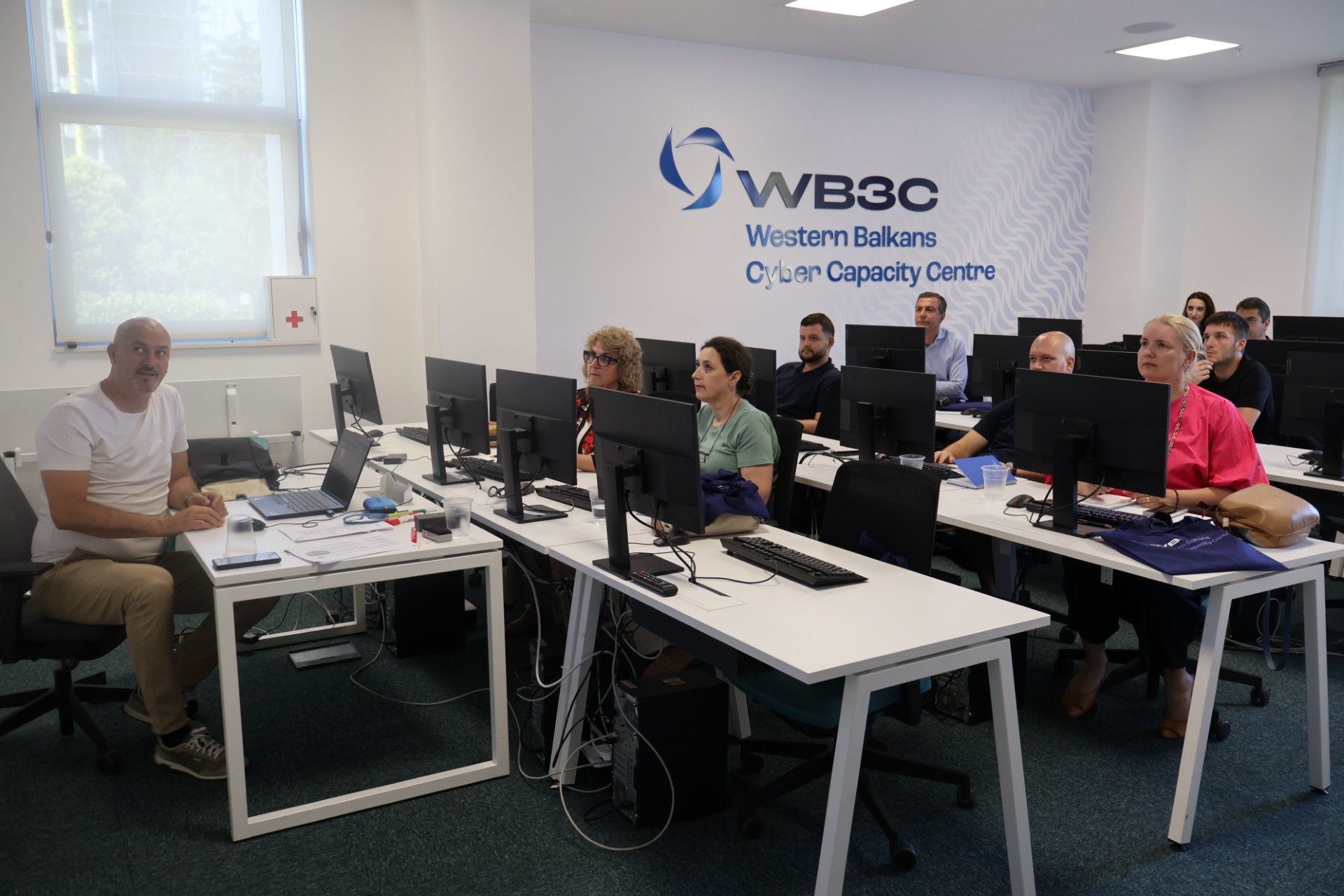
WB3C has launched a new edition of its four-day intensive OSINT training, bringing together police investigators and prosecutors from across the Western Balkans.
The participants were welcomed by Gilles Schwoerer, Head of WB3C, who underlined the importance of building coordinated investigative and prosecutorial responses to evolving digital threats. The training is delivered by WB3C’s in-house cybercrime expert, Cyril C., specializing in open-source intelligence (OSINT).
The programme focuses on practical, case-based learning to strengthen participants’ ability to collect, analyse and preserve digital evidence in line with legal standards. Through structured exercises, participants develop skills in advanced online searches, metadata analysis, secure data handling and safe navigation of the darknet environment.
By combining investigative techniques with prosecutorial perspectives, the training supports stronger end-to-end cooperation between police and justice actors — a critical factor in delivering prosecution-ready cybercrime cases.
Building sustainable regional capacity in open-source intelligence remains a key pillar of our work to enhance resilience against evolving digital threats.


Copyright © WB3C

Disclaimer: Translations of the original content written in English into other languages are AI generated by Weglot.