WB3C in the International Spotlight: Cyber Resilience at the Heart of Regional Security and European Integration
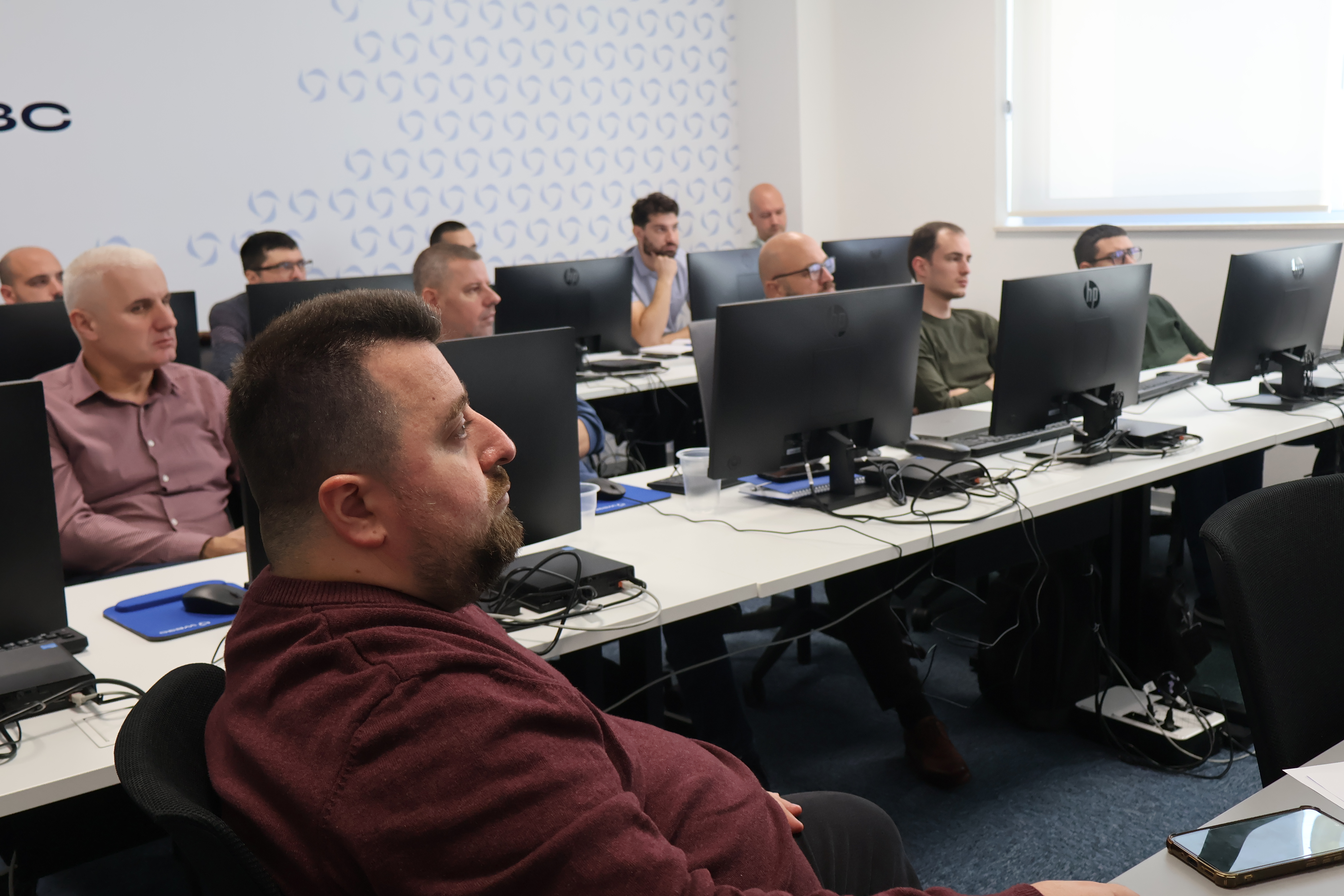
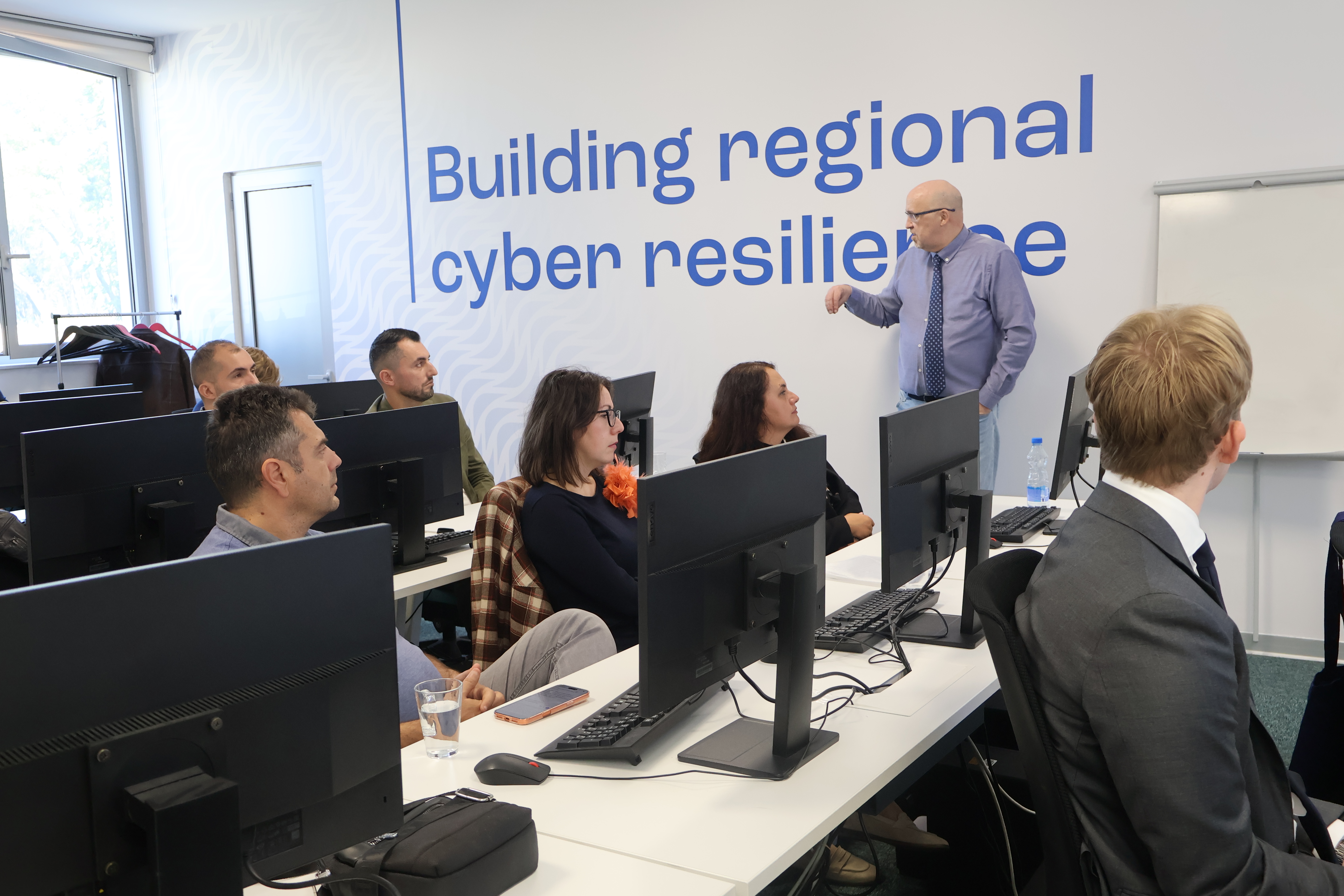
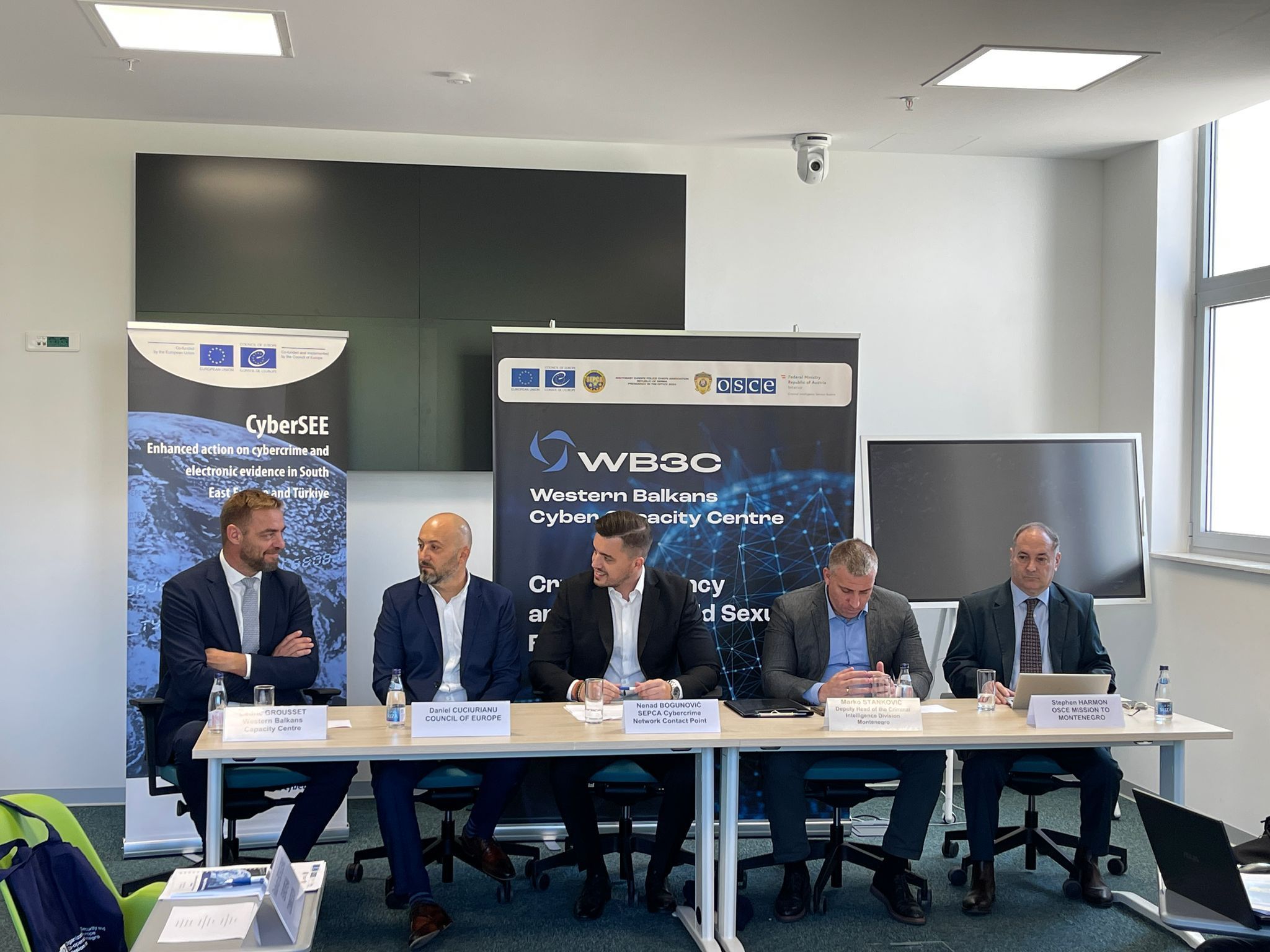
The Western Balkans Cyber Capacity Centre has attracted growing attention from senior European officials, government delegations, defence representatives and international media during a particularly active period of diplomatic engagement in Montenegro. Several visits took place on the margins of the Berlin Process, reflecting the increasing importance of cybersecurity and institutional resilience within the wider European security and integration agenda.
As cyberattacks become more sophisticated and increasingly target essential services, public institutions and critical infrastructure, the ability of Western Balkan countries to prevent, withstand and respond to cyber incidents has become a matter of strategic importance. These challenges extend beyond national borders and require closer regional cooperation, stronger institutions and sustained investment in specialised skills.
For countries pursuing EU membership, cybersecurity is also an important dimension of alignment with European legislation, standards and security frameworks. Building the capacities required to implement the NIS2 Directive, the Critical Entities Resilience Directive and other relevant EU requirements is essential for the region's integration into Europe's common security and digital environment.
High-level visits during the Berlin Process
On 16 September, WB3C welcomed Marie-Pierre Vedrenne, French Minister Delegate, during her visit to Montenegro on the margins of the Berlin Process. The visit provided an opportunity to present the Centre's regional mandate and its contribution to strengthening cybersecurity, combating cybercrime and supporting cyberdiplomacy across the Western Balkans.
On 25 September, the Centre received representatives of EU Member States, providing further opportunities to present its work and discuss the contribution of international cooperation to regional cyber resilience.
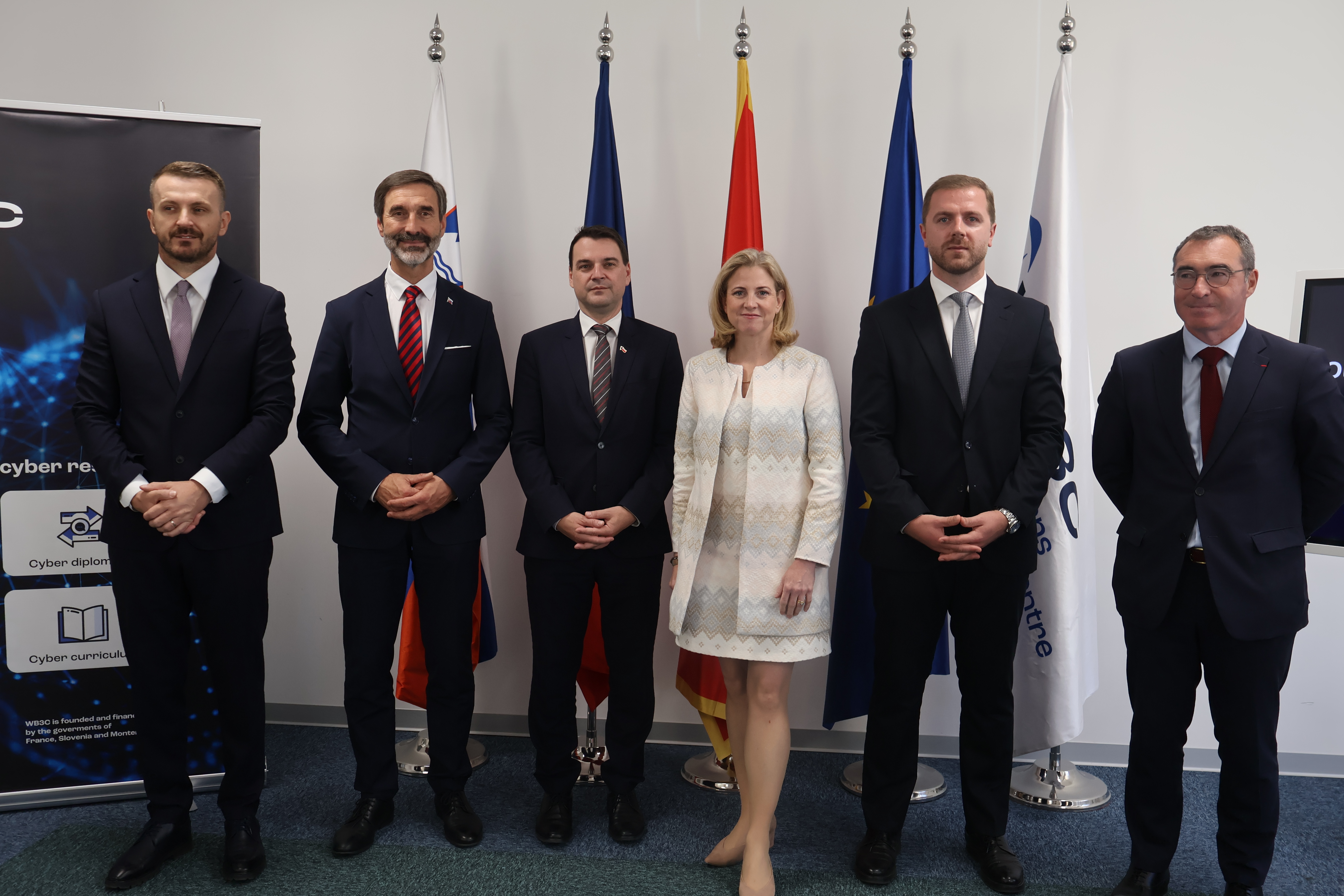
A further high-level visit followed on 2 October, when the Foreign Ministers of Austria, Czechia and Slovakia visited WB3C. The engagement placed the Centre's work within the broader context of European security, regional stability and the Western Balkans' EU perspective.
These visits offered opportunities to demonstrate how the Centre translates international cooperation into practical support for Western Balkan institutions, bringing together European expertise, regional priorities and targeted professional training.
European media engagement
On 13 October, WB3C welcomed a delegation of European media representatives in cooperation with the European Commission's Directorate-General for Enlargement and Eastern Neighbourhood (DG ENEST) and the EU Delegation to Montenegro.
The visit focused on the Centre's role in strengthening regional cyber resilience and addressing emerging security challenges, including hybrid threats, foreign information manipulation and interference (FIMI), and disinformation.
Discussions highlighted the links between cybersecurity, institutional resilience and democratic stability, particularly in an environment where information manipulation, cybercrime and cyberattacks can undermine public trust and the functioning of essential services.
Regional defence and security cooperation
The Centre's international engagement also extends to the defence and security community.
On 28 October, WB3C is scheduled to welcome delegations participating in the Framework Nations Concept cooperation initiative led by Italy (FNC-ITA), in cooperation with Montenegro's Ministry of Defence. The visit will bring together representatives of participating NATO member and partner countries from South-East Europe, providing an opportunity to exchange perspectives on cyber resilience and regional security cooperation.
During this period, WB3C representatives were invited to Zagreb to meet with RACVIAC – Centre for Security Cooperation, a regional intergovernmental organisation dedicated to strengthening security dialogue, institutional capacities and cooperation in South-East Europe, including in cybersecurity and countering transnational threats, to explore opportunities for closer cooperation in addressing shared regional security challenges.
This engagement reflects the importance of cybersecurity across civilian and defence sectors, where the protection of critical infrastructure, continuity of essential services and effective institutional coordination are closely interconnected.
Building resilience is a strategic investment in the region's European future. Through its training programmes, institutional partnerships and regional cooperation mechanisms, WB3C will continue to contribute to a more secure and resilient Western Balkans, strengthening both regional stability and Europe's collective cyber resilience.