×

WB3C joins UK's regional CybHER initiative empowering women and girls for cyber careers

07.11.2025

Image for WB3C joins UK's regional CybHER initiative empowering women and girls for cyber careers

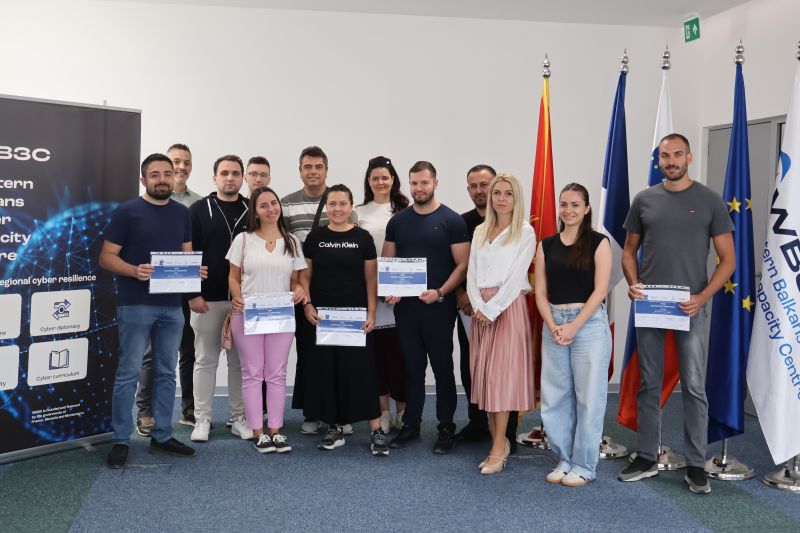
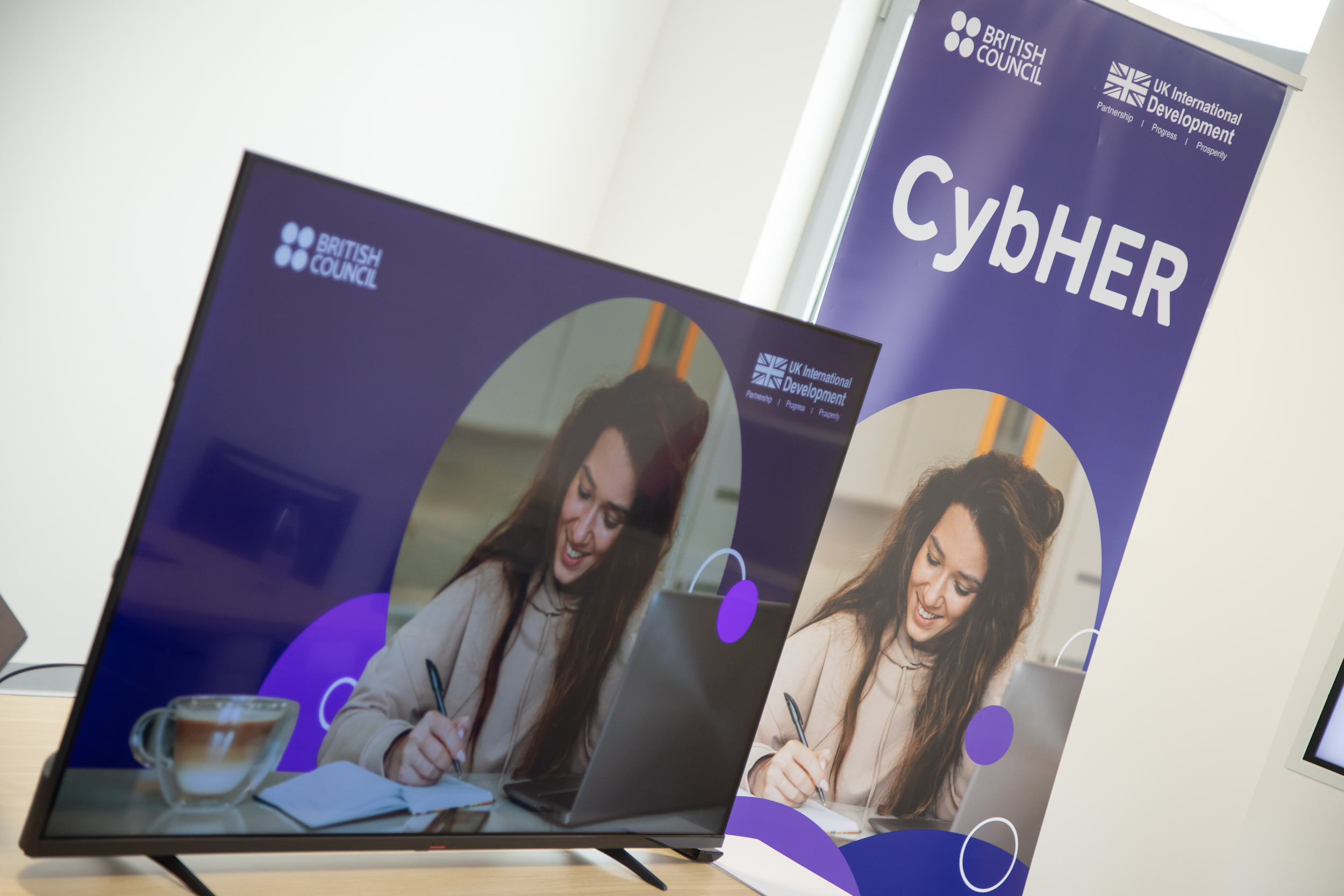
We are proud to be part of the regional CybHER initiative by the British Council, designed to empower girls and women across the Western Balkans to pursue and thrive in cyber careers. For the WB3C, CybHER is not only a regional effort we support, but also a concrete opportunity to invest in our own people and create space for their professional development.

As part of this, WB3C took part in two CybHER components:
1️⃣ A leadership program for early-career women in cybersecurity.
2️⃣ A workshop on gender-sensitive HR policies for cybersecurity organizations.

1. Leadership skills for early-career women in cyber

Our colleague Vanja Radović is representing the WB3C in the CybHER leadership track for young women in cybersecurity. This program is designed to help participants gain both the mindset and the skills needed to grow and lead in a still male-dominated industry. Over the course of the program, participants will:

💡 Build authentic leadership skills by exploring their personal values, leadership styles and emotional intelligence.
💡 Discover diverse cybersecurity career paths and map concrete options for their own development.
💡 Learn practical strategies to navigate stereotypes, bias and workplace barriers with confidence.
💡 Strengthen networking and collaboration skills to build a reliable support system in the sector.
💡 Develop a personal action plan to apply what they learn in their daily work.

We are especially glad that Vanja will learn from experienced regional leaders such as Larisa Halilovic, an international leadership expert, and Andreja Mihailović, PhD, President of Women4Cyber Montenegro, whose guidance connects technical careers with the human skills needed for leadership.

2. Gender-sensitive HR policies in cybersecurity organisations

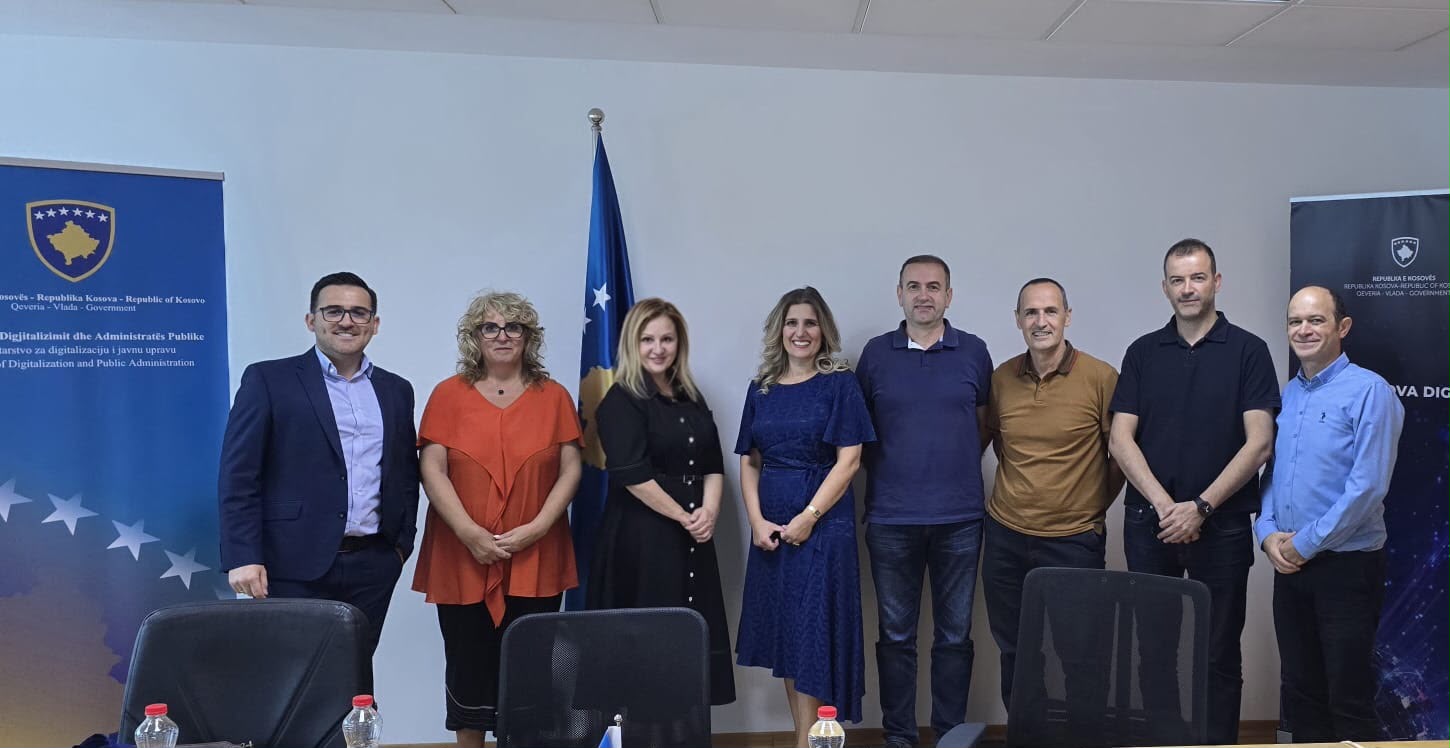
In parallel, WB3C also joined the CybHER workshop on gender-sensitive HR policies in cybersecurity organizations, focusing on how organizational systems can either open doors for women - or quietly keep them closed. This component, was followed by our colleague Vanja Madzgalj, responsible for strategic communications and with substantive experience in gender mainstreaming, in order to:

💡 Exchange experiences and good practices between companies on inclusive and fair HR approaches.
💡 Look at domestic and international trends in gender-sensitive and inclusive HR in tech and cybersecurity.
💡 Examine how bias, discrimination, the glass ceiling and everyday prejudices show up in recruitment, promotion and leadership opportunities.
💡 Explore practical ways to improve the full HR cycle: from inclusive job descriptions and selection processes, to advancement, leadership roles and supportive workplace culture.
💡 Discuss mechanisms for safety and confidential reporting, and how policies can better protect and empower staff who experience harassment or discrimination.

The workshop concluded with self-assessment of existing HR practices, individual commitments for change and first steps towards mentoring and peer support, so that policy discussions can translate into everyday practice.

At the Western Balkans Cyber Capacity Centre (WB3C), we believe that real change happens when we work on both people and systems. By empowering our own female colleagues through programs like CybHER, and by strengthening HR and organizational practices that support them, we are investing in a cybersecurity community where women can enter, stay, grow and lead.


Combatting Disinformation and FIMI

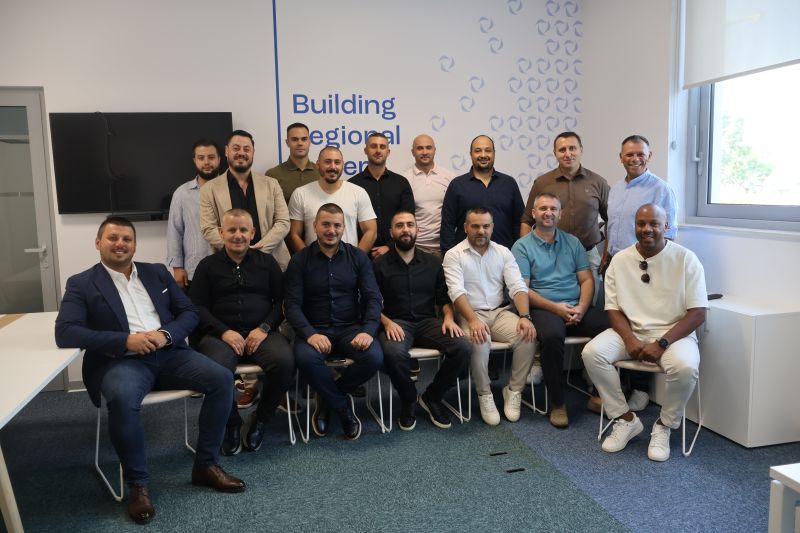
A very productive meeting this morning with the Atlantic Council of Montenegro, led by Mr. Savo Kentera, President and CEO, together with his team Azra Karastanović and Draško Jabučanin. The Western Balkans Cyber Capacity Centre (WB3C) was represented by its Head Gilles Schwoerer and the team: Vanja Madzgalj MBE, Cyril C. and Yannick Casse. 

Building on our previous engagements, including the national Round Table on Critical Infrastructure and the 2BS Forum, WB3C is further strengthening this collaboration to address pressing regional challenges.

Our discussions highlighted significant common interests in two crucial areas: critical infrastructure resilience and countering disinformation and foreign information manipulation and interference (FIMI).

This prospective partnership reflects a shared commitment to strengthening regional security and societal resilience against interference and information manipulation. We look forward to developing concrete actions and contributing meaningfully to these important efforts.

Developing Future Cyber Talent Through Early Interventions in Schools

WB3C paid a visit to the Ministry of Education, Science and Innovation this week. We met with the State Secretary Calasan Tatjana to introduce WB3C’s work and share an overview of our plans for 2026, with a focus on education, young people and cooperation with universities. We talked about practical ways to support foundational awareness and cyber skills in schools and development of academic learning pathways such as micro-credentials and new degree programmes in cybersecurity and digital forensics in universities. 

The meeting was also a chance to update the Ministry on how WB3C is developing as an international organization and how our role in Montenegro and the region is growing, as well as to explore how we could work more closely in the future.
We appreciated the open and constructive exchange, and the shared understanding that investing early in digital skills and cyber awareness really matters.
Looking forward to continuing the conversation and building on this momentum.
 

Cyber Hygiene Training for Ministry of European Affairs of Montenegro

Today we start a short CyberHygiene training for colleagues at Montenegro’s Ministry of European Affairs. The training is led by WB3C-s in-house trainers Cyril C. and Yannick Casse.
Over the two days, we will work through the threats civil servants face most often — phishing, malware/ransomware and social engineering — and the practical habits that reduce risk without needing to advance technical skills such as: safer daily practices, data confidentiality and clear incident response basics.
A reminder worth repeating: cyber hygiene is organizational hygiene. Firewalls and policies help, but day-to-day resilience is built in small decisions made across the institution. Every civil servant counts.
A simple checklist that pays off:
⚠️ Pause before you click (especially “urgent” emails)
⚠️ Use strong passwords/passphrases + multi-factor authentication where available
⚠️ Keep devices and apps updated
⚠️ Report suspicious activity early—speed matters

Director Gilles Schwoerer greeted the participants by emphasizing that cybersecurity culture doesn’t start in the IT department, but it starts in each inbox. We are very pleased to welcome the behind-the-scenes force driving Montenegro's successful advancement towards the EU accession and to share that WB3C is expecting its first multi-year EU grant in March this year, aimed at supporting the region in meeting the requirements from the cyber agenda and strengthening its overall resilience, especially its critical infrastructure. We look forward to joining forces with ministries around the region in 2026 - a year expected to bring a dynamic plan of activities.


Copyright © WB3C

Disclaimer: Translations of the original content written in English into other languages are AI generated by Weglot.