×

Day 2 of the Workshop for Young Women in Cybersecurity

08.11.2025

Image for Day 2 of the Workshop for Young Women in Cybersecurity

Talent is not an issue - we need more opportunity, visibility and structured support.

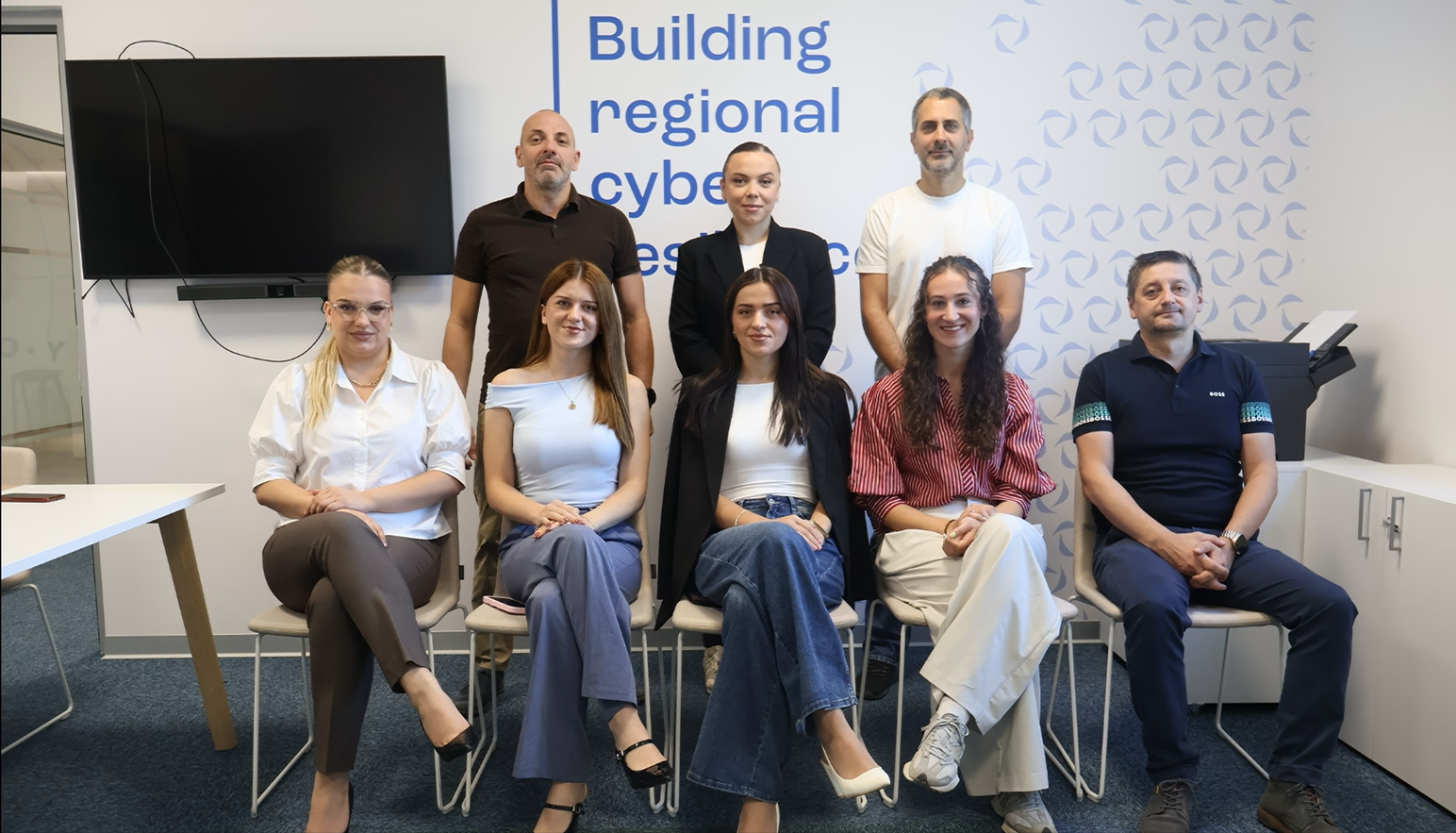
Seeing a room full of 70 ambitious young women - many already studying or working in ICT - taking on cybersecurity challenges with confidence and creativity is a reminder of the immense potential that exists right here in the Western Balkans.
Their presentations following the hands-on exercises made one thing clear: talent is not the issue - visibility and opportunity are.

Across the region, women remain one of the most under-utilized resources for innovation, growth and a balanced digital economy.
While global figures show women make up only around 22–24% of the cybersecurity workforce, the gap grows wider at the top - far fewer women reach leadership or C-level roles. Many still face a glass ceiling, subtle bias or the weight of imposter syndrome in male-dominated environments. Supporting young women in developing confidence, assertiveness, and leadership skills is therefore as essential as technical training itself.

Cybersecurity, at its core, is about resilience and adaptability. To build that resilience, our teams must reflect the diversity of the societies they defend. Investing in women in cyber is not a matter of fairness alone - it’s a matter of strategic foresight for the region’s stability and competitiveness.

As these young women step forward, they challenge old assumptions, redefine expertise and show that the future of cybersecurity in the Western Balkans can be both strong and inclusive.

We deeply appreciate our partnership with DCAF and FCDO for enabling WB3C to be part of such an important initiative. 


Visit to RACVIAC, Zagreb

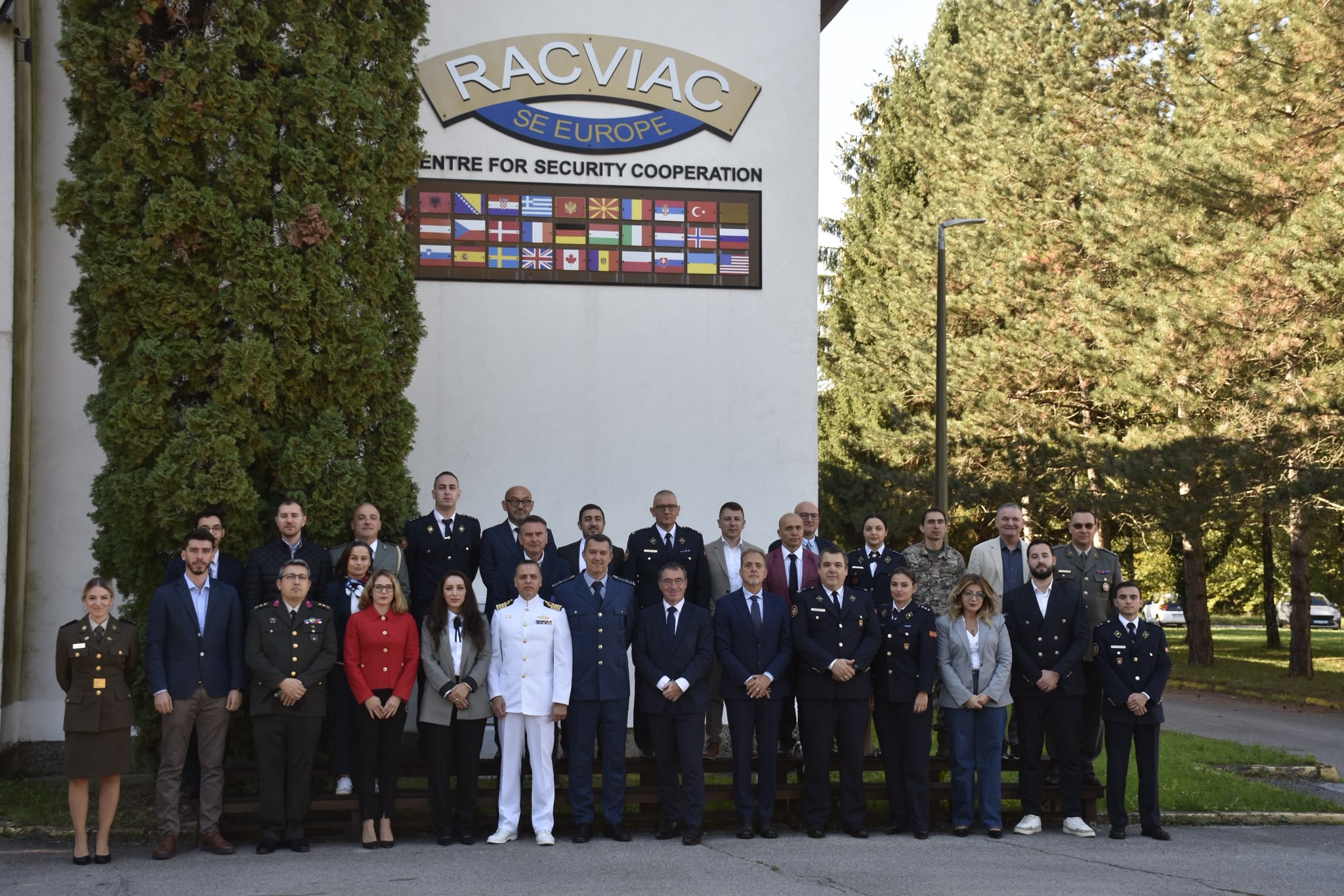
The WB3C Programme Director participated in the conference organised by RACVIAC in Zagreb, entitled “Strengthening SEE Resilience in Cyber Security Against Hybrid Threats.” 
The mission provided an opportunity to present the Centre’s activities and discuss several potential areas of cybersecurity cooperation.

The areas under consideration include strengthening the cyber resilience of critical entities in the Western Balkans through NIS2 training and technical training aimed at addressing the skills gap in operational technology security, with priority given to young civilian and military talent. 

They also include training on artificial intelligence and the implications of the European Union’s AI Act, the development of new cybersecurity curricula with universities and military academies in the region, and the possibility of providing cybersecurity training to military units in cooperation with RACVIAC.


Foreign Ministers of Austria, Czech Republic and Slovakia visit WB3C on the margins of the Berlin Process

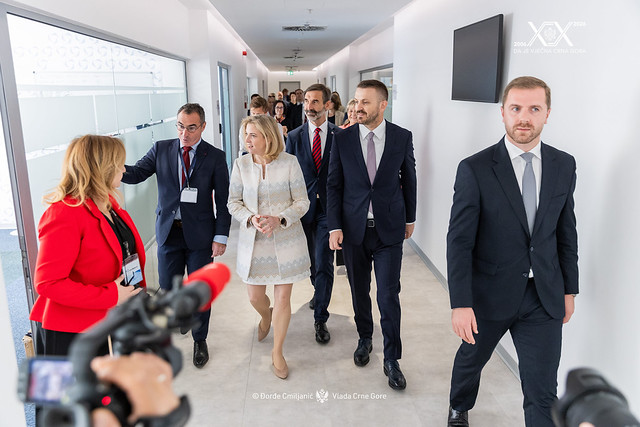
We were much honoured to host today at WB3C the Foreign Ministers of Austria, Czech Republic and Slovakia, together with their delegations, following the Berlin Process Foreign Ministers’ Meeting in Montenegro.
Beate Meinl-Reisinger, Federal Minister for European and International Affairs of Austria, Petr Macinka, Deputy Prime Minister and Minister of Foreign Affairs of the Czech Republic and Juraj Blanár, Minister of Foreign and European Affairs of Slovakia were welcomed by Naim M. GJOKAJ, on behalf of the Government of Montenegro as one of WB3C’s founding partners, and Gilles Schwoerer, WB3C Programme Director. The visit was also attended by Minsiter Marash Dukaj and resident ambassadors of Austria, Slovakia and the Czech Republic in Montenegro.

Their visit gave us an important opportunity to show, first-hand, what WB3C has become and where it is heading.
After a tour of our facilities, we presented the Centre’s mission and work across cybersecurity, cybercrime, cyber diplomacy and hybrid threats, as well as the partnerships that make this regional model possible. Particular attention was given to our cooperation with the European Union, including the EU-supported regional programme, and to the growing network of European and international institutions contributing expertise to our activities.
What matters most is the purpose behind this work.
WB3C was created to give the Western Balkans a permanent facility where countries can build capability together: strengthening public institutions and critical entities, supporting law enforcement and the judiciary, developing the skills of the existing workforce and investing in the next generation through cooperation with universities.

Austria, Slovakia and the Czech Republic are closely engaged in the European integration of the Western Balkans, while the Berlin Process continues to place regional cooperation, security and the region’s European future at the centre of the agenda.
For WB3C, the longer-term direction is equally clear: a Centre increasingly shaped, supported and governed by the Western Balkans themselves, firmly connected to European institutions, standards and expertise.
We greatly appreciated the ministers’ interest in our work and the opportunity to present the role WB3C can play in making regional cooperation in cyber security practical, lasting and genuinely owned by the region.
Advanced Cyber Threat Intelligence training at WB3C

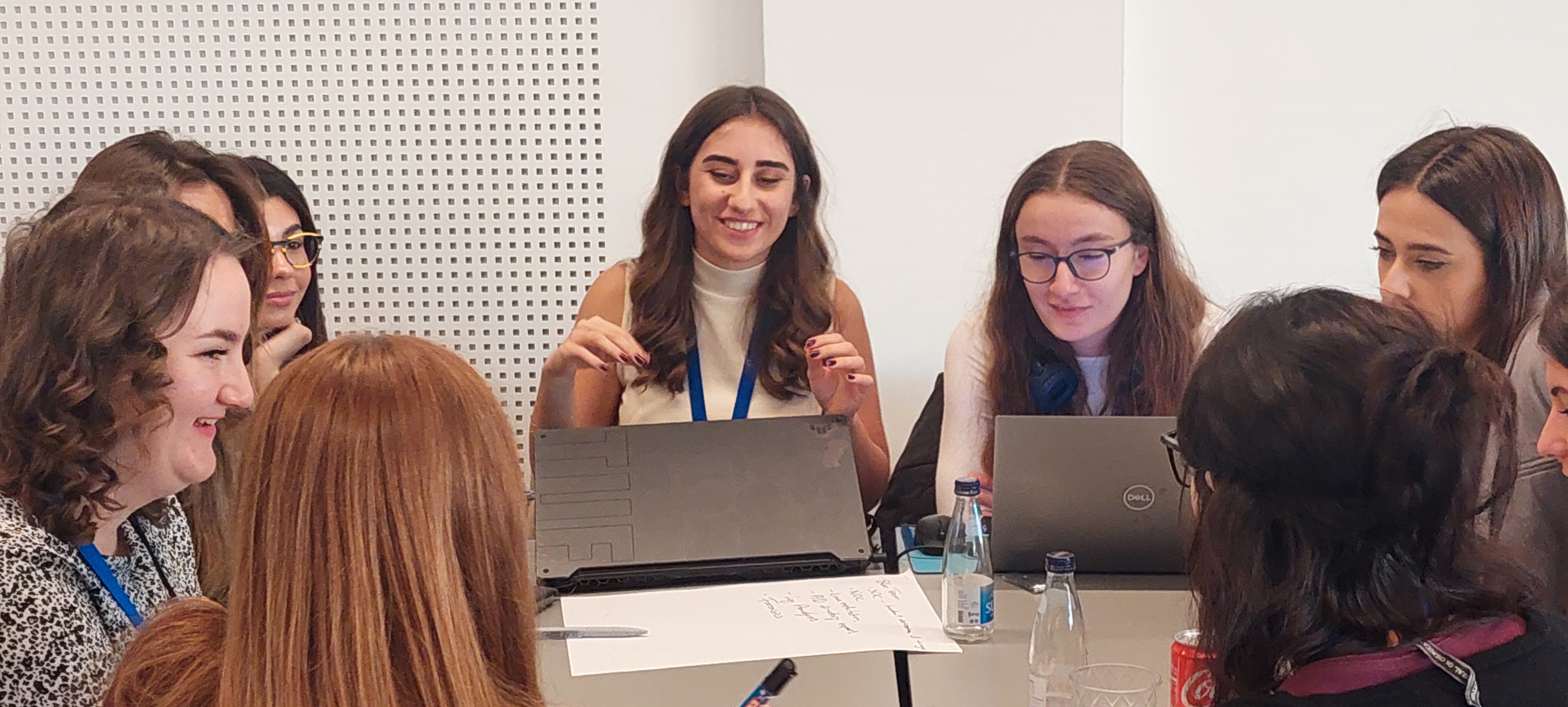
This week, WB3C hosted an Advanced Cyber Threat Intelligence (CTI) training in Podgorica, delivered by Ljuban Petrovic for SOC, CSIRT, CERT and IT professionals from critical entities across the Western Balkans. 
Building on the foundational CTI course delivered earlier this year, the four-day programme goes further into advanced threat hunting, Threat Intelligence Platforms and automation, threat actor profiling and attribution, the MITRE ATT&CK framework, strategic reporting and hands-on work with MISP. 
The aim is to help practitioners move from collecting technical threat data to producing actionable intelligence that supports detection, incident response and decision-making, while strengthening information sharing between national and regional CERT/CSIRT structures.
We are especially pleased to see more women then men in this training, which encourages us that our region is slowly breaking cultural barriers and biases.


Copyright © WB3C

Disclaimer: Translations of the original content written in English into other languages are AI generated by Weglot.