×

Foreign Ministers of Austria, Czech Republic and Slovakia visit WB3C on the margins of the Berlin Process

02.10.2026

Image for Foreign Ministers of Austria, Czech Republic and Slovakia visit WB3C on the margins of the Berlin Process

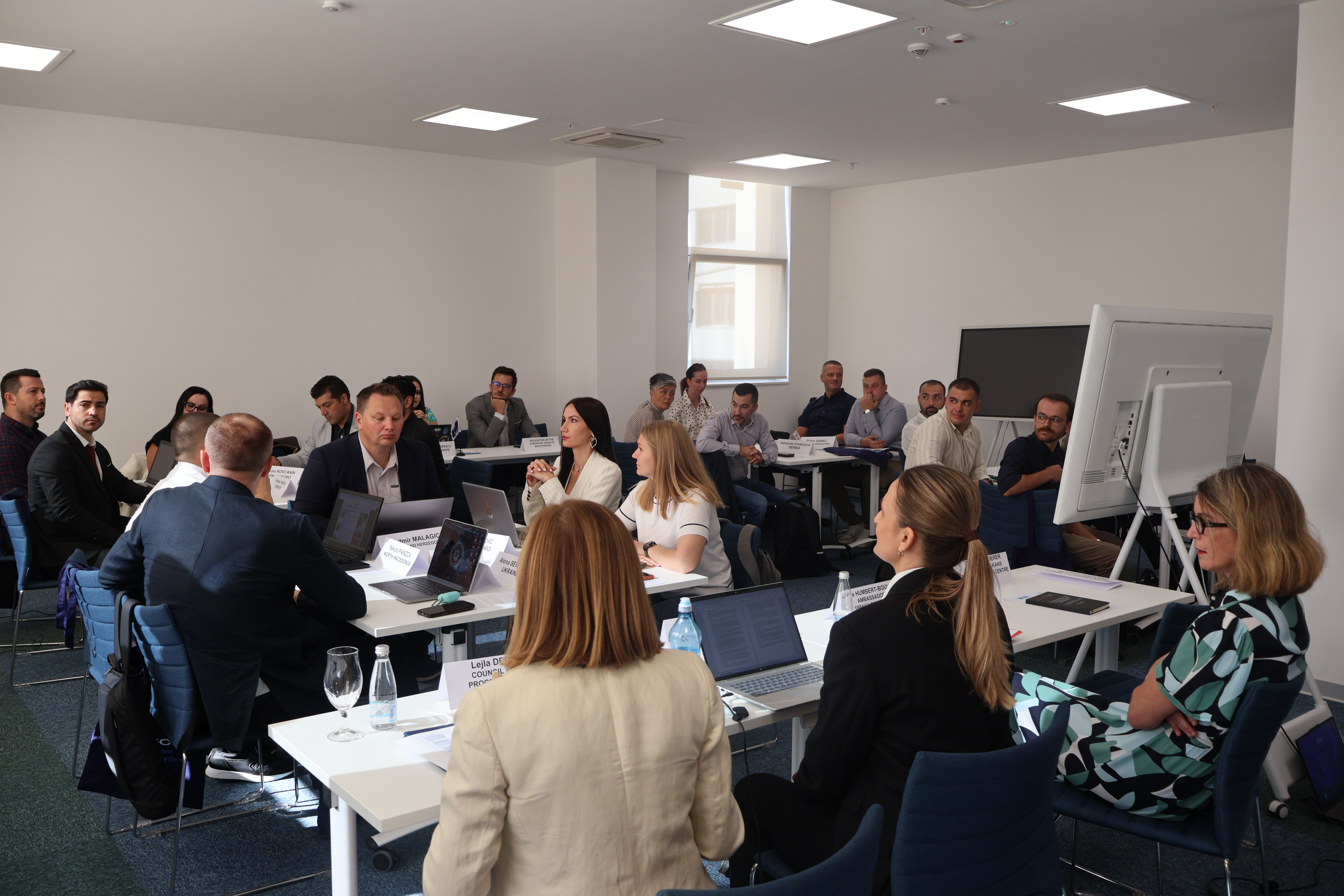
We were much honoured to host today at WB3C the Foreign Ministers of Austria, Czech Republic and Slovakia, together with their delegations, following the Berlin Process Foreign Ministers’ Meeting in Montenegro.
Beate Meinl-Reisinger, Federal Minister for European and International Affairs of Austria, Petr Macinka, Deputy Prime Minister and Minister of Foreign Affairs of the Czech Republic and Juraj Blanár, Minister of Foreign and European Affairs of Slovakia were welcomed by Naim M. GJOKAJ, on behalf of the Government of Montenegro as one of WB3C’s founding partners, and Gilles Schwoerer, WB3C Programme Director. The visit was also attended by Minsiter Marash Dukaj and resident ambassadors of Austria, Slovakia and the Czech Republic in Montenegro.

Their visit gave us an important opportunity to show, first-hand, what WB3C has become and where it is heading.
After a tour of our facilities, we presented the Centre’s mission and work across cybersecurity, cybercrime, cyber diplomacy and hybrid threats, as well as the partnerships that make this regional model possible. Particular attention was given to our cooperation with the European Union, including the EU-supported regional programme, and to the growing network of European and international institutions contributing expertise to our activities.
What matters most is the purpose behind this work.
WB3C was created to give the Western Balkans a permanent facility where countries can build capability together: strengthening public institutions and critical entities, supporting law enforcement and the judiciary, developing the skills of the existing workforce and investing in the next generation through cooperation with universities.

Austria, Slovakia and the Czech Republic are closely engaged in the European integration of the Western Balkans, while the Berlin Process continues to place regional cooperation, security and the region’s European future at the centre of the agenda.
For WB3C, the longer-term direction is equally clear: a Centre increasingly shaped, supported and governed by the Western Balkans themselves, firmly connected to European institutions, standards and expertise.
We greatly appreciated the ministers’ interest in our work and the opportunity to present the role WB3C can play in making regional cooperation in cyber security practical, lasting and genuinely owned by the region.
Advanced Cyber Threat Intelligence training at WB3C

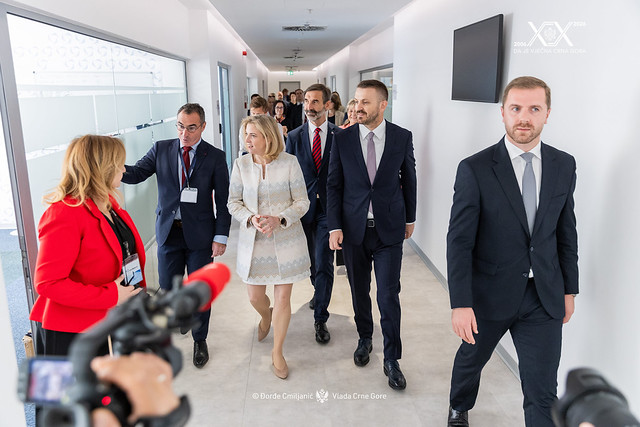
This week, WB3C hosted an Advanced Cyber Threat Intelligence (CTI) training in Podgorica, delivered by Ljuban Petrovic for SOC, CSIRT, CERT and IT professionals from critical entities across the Western Balkans. 
Building on the foundational CTI course delivered earlier this year, the four-day programme goes further into advanced threat hunting, Threat Intelligence Platforms and automation, threat actor profiling and attribution, the MITRE ATT&CK framework, strategic reporting and hands-on work with MISP. 
The aim is to help practitioners move from collecting technical threat data to producing actionable intelligence that supports detection, incident response and decision-making, while strengthening information sharing between national and regional CERT/CSIRT structures.
We are especially pleased to see more women then men in this training, which encourages us that our region is slowly breaking cultural barriers and biases.

A milestone in our cooperation with EU4FAST and CIVIPOL

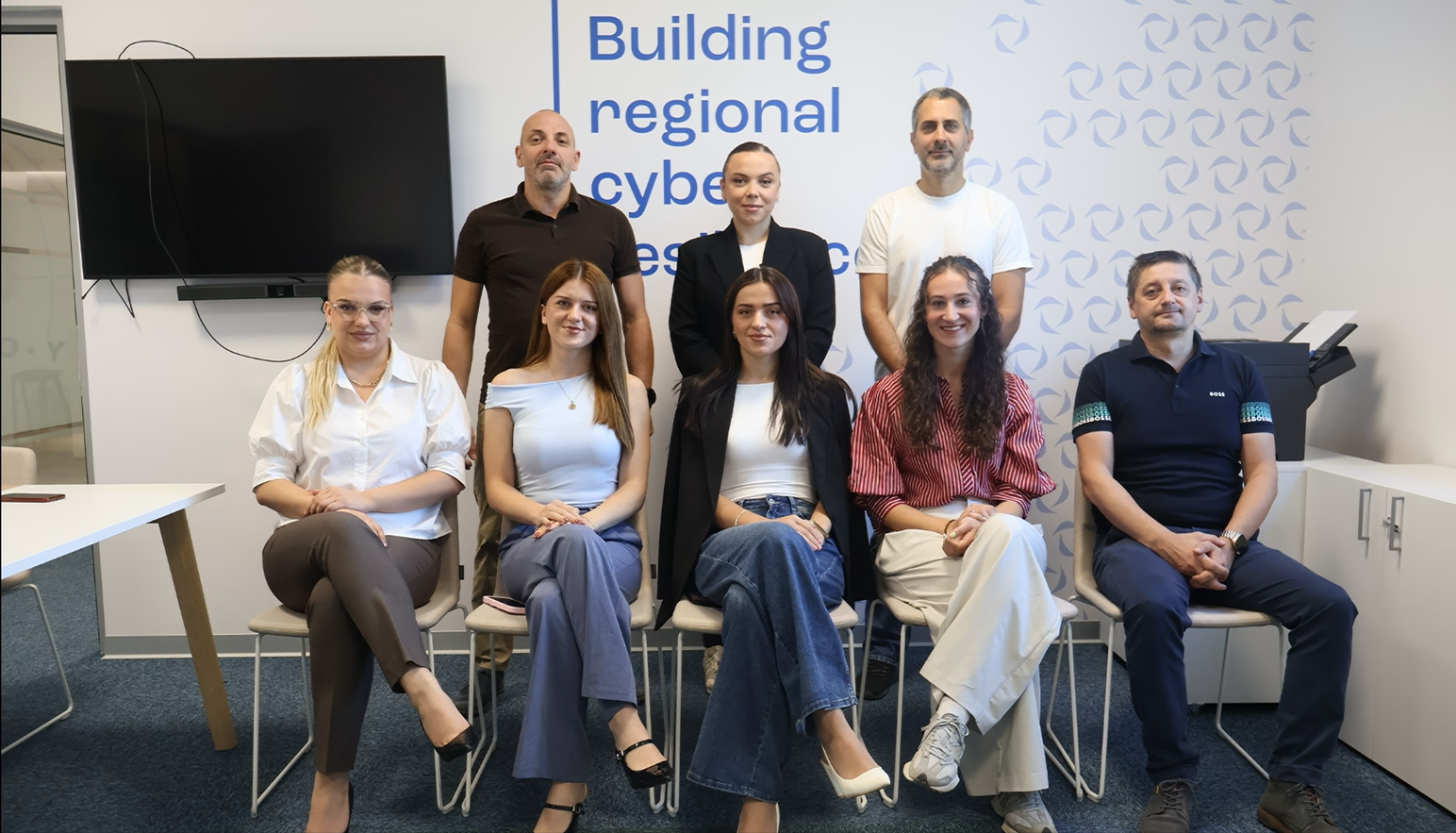
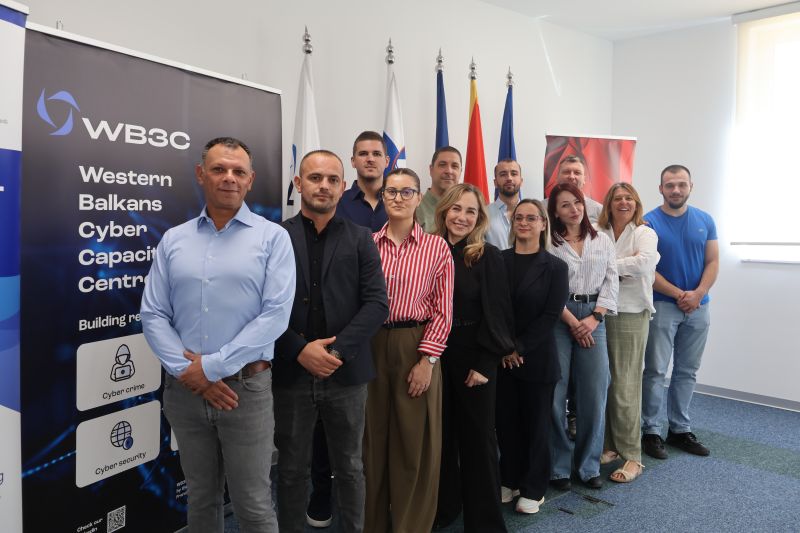
This week, a group of Western Balkan practitioners completed a training journey that has taken them from basic, through advanced, to Training of Trainers level.

Delivered as a series of regional activities in cooperation with WB3C, the programme covered practical areas including OSINT, Dark Web investigations, cryptocurrency tracing and other investigative tools relevant to cyber-enabled crime.
The final Training of Trainers stage adds an important multiplier effect: participants are now better equipped not only to apply this knowledge in their own work, but also to transfer it further within their institutions.
The completion of the series therefore marks more than the end of a training cycle. It contributes to stronger and more sustainable national capacity across the Western Balkans.
Thank you to EU4FAST, CIVIPOL, the trainers and all participants who contributed to the full programme.
 

Where is the line between freedom of expression and speech that requires a response from public authorities?

That question is at the heart of this week’s training at the WB3C, organised in cooperation with the Council of Europe and opened by H.E. Cécile Humbert-Bouvier, Ambassador of France to Montenegro, Liliana Trofim, Senior Project Office at the Council of Europe and Lejla Dervisagic, Head of CoE Office in Podgorica.
Participants from law enforcement, prosecution services and other relevant institutions are working with trainers Ronan Mouchoux and Jean-Pierre Bonnet on situations that public authorities increasingly face both online and offline: How to recognize when offensive or disturbing speech escalates into incitement to hatred, public disorder or criminal activity.
One point made by our Council of Europe colleague set the tone particularly well: the purpose is not to censor information or restrict legitimate expression. The challenge is to recognise when content and its context create consequences that may require institutions to act.
And when law enforcement intervention is required, the threshold matters just as much as the response itself. Any action must have a clear legal basis, be necessary in the circumstances and remain proportionate to the risk being addressed.
This makes the subject much more complex than simply identifying “harmful content”. It requires legal judgement, an understanding of context and potential impact, and close cooperation between investigators, prosecutors and other institutions responsible for protecting both public safety and fundamental rights.
For WB3C, this is where capacity building can make a difference by working through realistic scenarios, discussing difficult thresholds and helping practitioners make sound decisions when the answer is not immediately obvious.


Copyright © WB3C

Disclaimer: Translations of the original content written in English into other languages are AI generated by Weglot.