×

Where is the line between freedom of expression and speech that requires a response from public authorities?

30.09.2026

Image for Where is the line between freedom of expression and speech that requires a response from public authorities?

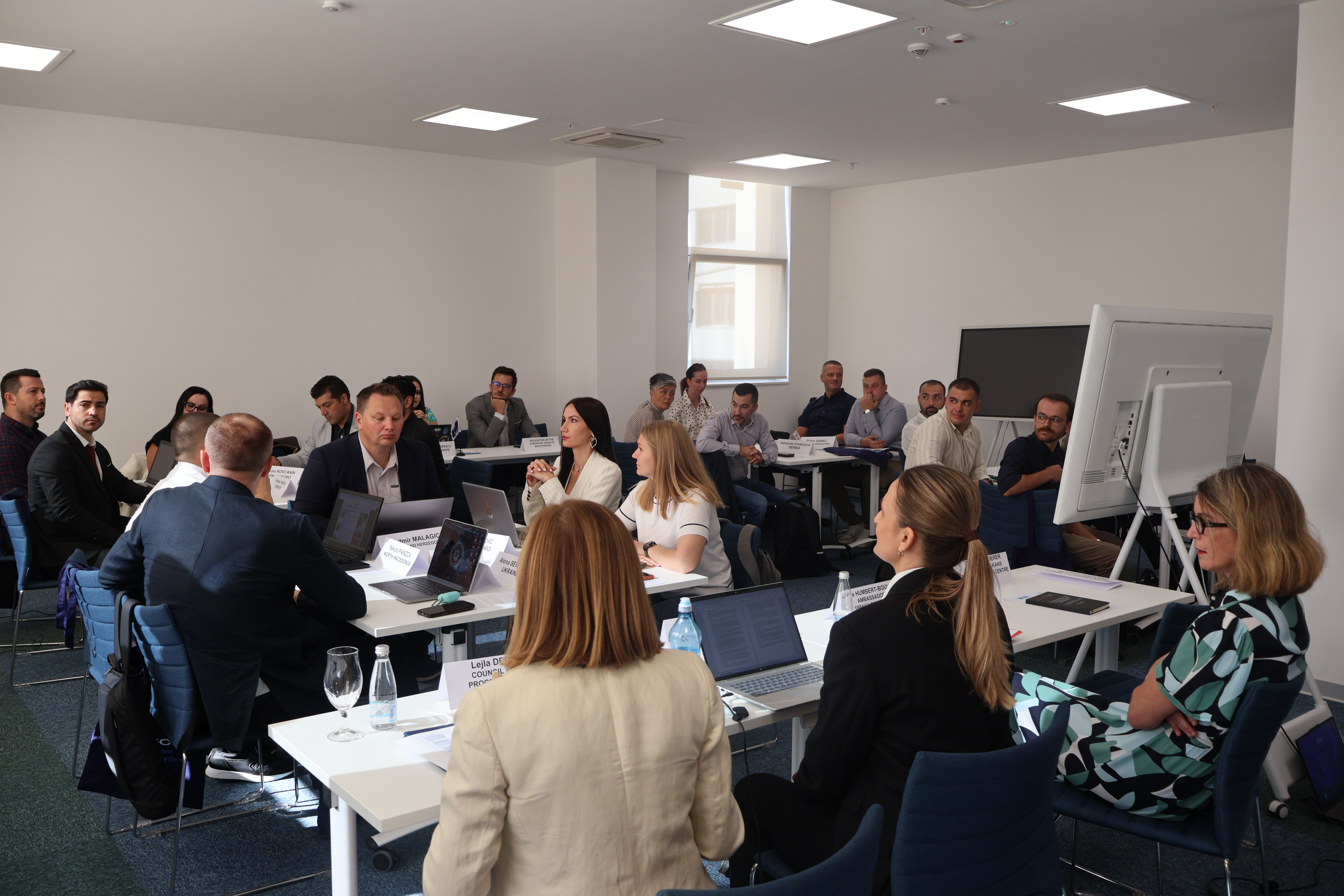
That question is at the heart of this week’s training at the WB3C, organised in cooperation with the Council of Europe and opened by H.E. Cécile Humbert-Bouvier, Ambassador of France to Montenegro, Liliana Trofim, Senior Project Office at the Council of Europe and Lejla Dervisagic, Head of CoE Office in Podgorica.
Participants from law enforcement, prosecution services and other relevant institutions are working with trainers Ronan Mouchoux and Jean-Pierre Bonnet on situations that public authorities increasingly face both online and offline: How to recognize when offensive or disturbing speech escalates into incitement to hatred, public disorder or criminal activity.
One point made by our Council of Europe colleague set the tone particularly well: the purpose is not to censor information or restrict legitimate expression. The challenge is to recognise when content and its context create consequences that may require institutions to act.
And when law enforcement intervention is required, the threshold matters just as much as the response itself. Any action must have a clear legal basis, be necessary in the circumstances and remain proportionate to the risk being addressed.
This makes the subject much more complex than simply identifying “harmful content”. It requires legal judgement, an understanding of context and potential impact, and close cooperation between investigators, prosecutors and other institutions responsible for protecting both public safety and fundamental rights.
For WB3C, this is where capacity building can make a difference by working through realistic scenarios, discussing difficult thresholds and helping practitioners make sound decisions when the answer is not immediately obvious.
Training of Trainers on OSINT and Dark Web

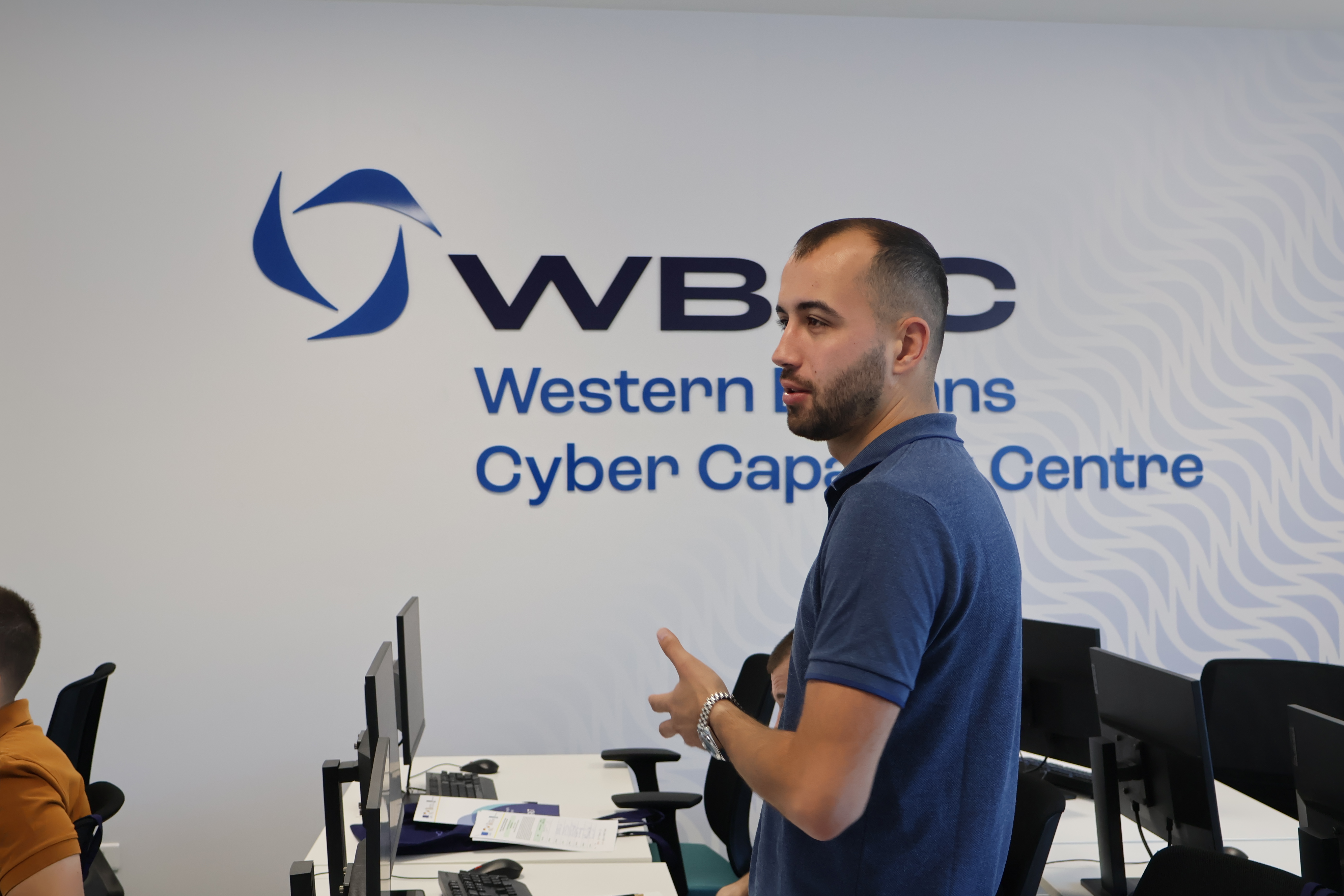
This week, WB3C is hosting a Training of Trainers on cybercrime, organised in cooperation with EU4FAST and CIVIPOL.
Eleven police representatives and prosecutors from the Western Balkans are taking part, with a goal to strengthen their ability to pass the knowledge on through national-level training.
The programme is delivered by Cyril CORRIAS and Caterina Baglivi and covers the fundamentals and evolving landscape of cybercrime, cyber-related offences, OSINT, the Dark Web and cryptocurrencies.
The focus is not only on learning the subject matter, but on helping participants turn that knowledge into training they can use with colleagues in their own institutions.

WB3C at the Infofest Budva

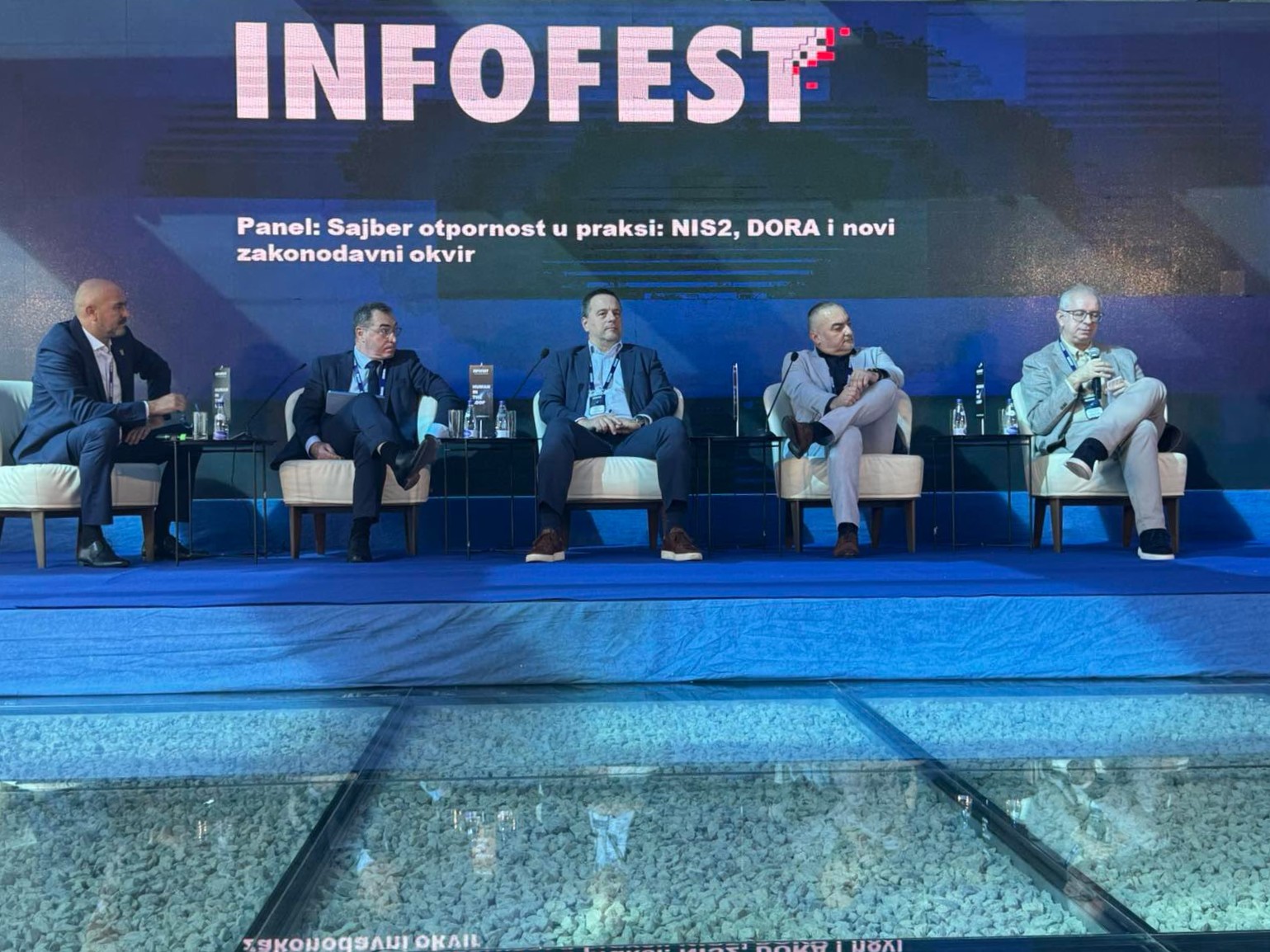
At the Human In in the Loop conference at Infofest in Budva, this week, WB3C’s Director of Programmes joined the panel “Cyber Resilience in Practice: NIS2, DORA and the New Legislative Framework.”
He highlighted how WB3C combines academic programmes and practical training to help critical entities meet their obligations.
He also stressed the value of regional cyber exercises in testing decisions, coordination and the continuity of essential services.
Through its EU-funded work, WB3C is developing training tailored to the needs of each country and critical sector in the Western Balkans.

Visit by EU Member State Representatives

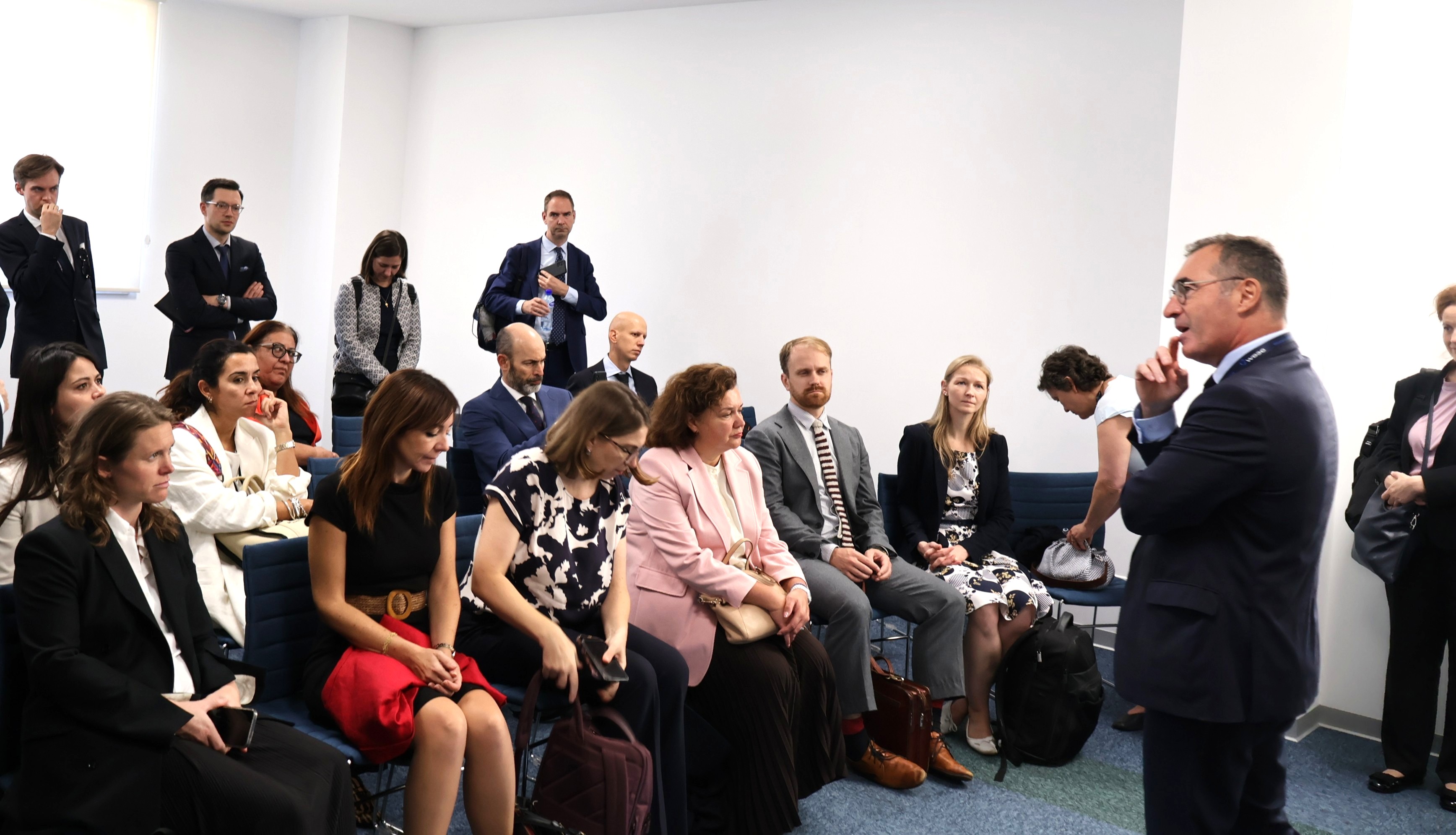
Yesterday, we had the pleasure of meeting a delegation of EU Member State representatives visiting Montenegro in the context of its EU accession process.
The visit, organised by the Embassy of Ireland and led by Kevin Colgan, Ambassador to Serbia and Montenegro, provided an opportunity for the delegation to learn more about the Western Balkans Cyber Capacity Centre, its regional mandate and the role it plays in strengthening cybersecurity capacities across the Western Balkans, presented by Gilles Schwoerer, our Director of Studies.
The discussion focused on how WB3C works with institutions and partners across the region, the Centre’s main areas of activity and the importance of sustained regional cooperation as the Western Balkans move closer to the European Union.
The meeting was intentionally informal and open, allowing for a useful exchange on the region’s cybersecurity needs, capacity-building priorities and the contribution that initiatives such as WB3C can make to wider resilience and EU integration.
Our thanks to the Embassy of Ireland for initiating the visit and to the members of the delegation for their interest, questions and thoughtful discussion.


Copyright © WB3C

Disclaimer: Translations of the original content written in English into other languages are AI generated by Weglot.